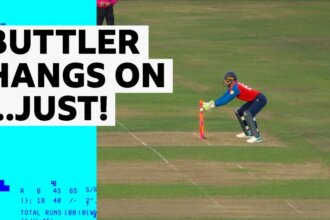
Jofra Archer delivered an early breakthrough at Trent Bridge, removing his IPL teammate Vaibhav Sooryavanshi for 13 as India’s chase of 202 began to wobble. The dismissal left India 29-2 and immediately shifted the pressure back onto the batting side in a pursuit that already demanded a strong start.
For England supporters, Archer’s wicket was more than just another early strike. It underlined the value of a fast bowler who can create pressure with pace, accuracy and the ability to attack the stumps when the opposition is trying to settle. In limited-overs cricket, the first few overs often decide whether a chase feels manageable or becomes a scramble, and this was one of those moments.
Archer makes the key early inroad
The dismissal of Sooryavanshi mattered because it came against a batter who had already been expected to play a role in the chase. At 13, his innings never had the chance to develop, and India were forced to rebuild after losing a second wicket early. That kind of start can alter the tempo of a run chase, especially when the target is above 200 and the batting side needs partnerships rather than isolated cameos.
Archer’s success also adds another layer of intrigue because the wicket involved an IPL teammate. Those cross-competition matchups are increasingly common in modern cricket, but they still carry a competitive edge when players who know each other well meet in international conditions. For Archer, the moment offered a small but notable bragging right in a high-pressure setting.
What the wicket means for the chase
At 29-2, India were not out of the contest, but the margin for error had already narrowed. Chasing 202 usually requires a balance between aggression and control, and early wickets tend to force batters into a more cautious approach. That can help the bowling side, particularly if they are able to maintain discipline and prevent the scoring rate from recovering too quickly.
From a tactical point of view, Archer’s strike would have encouraged England to keep attacking the top order and deny India the kind of platform that makes a chase feel routine. For supporters, it was the kind of moment that can swing momentum in an instant: one wicket, one change in mood, and suddenly the batting side is under real pressure to respond.
The broader significance is simple. In matches built around a target of 202, early wickets are often the difference between control and chaos. Archer provided England with exactly that kind of opening, and India were left with work to do from the moment Sooryavanshi departed.
Source note: This article was prepared using publicly available information from BBC Sport and expanded with editorial context.
Share this content: