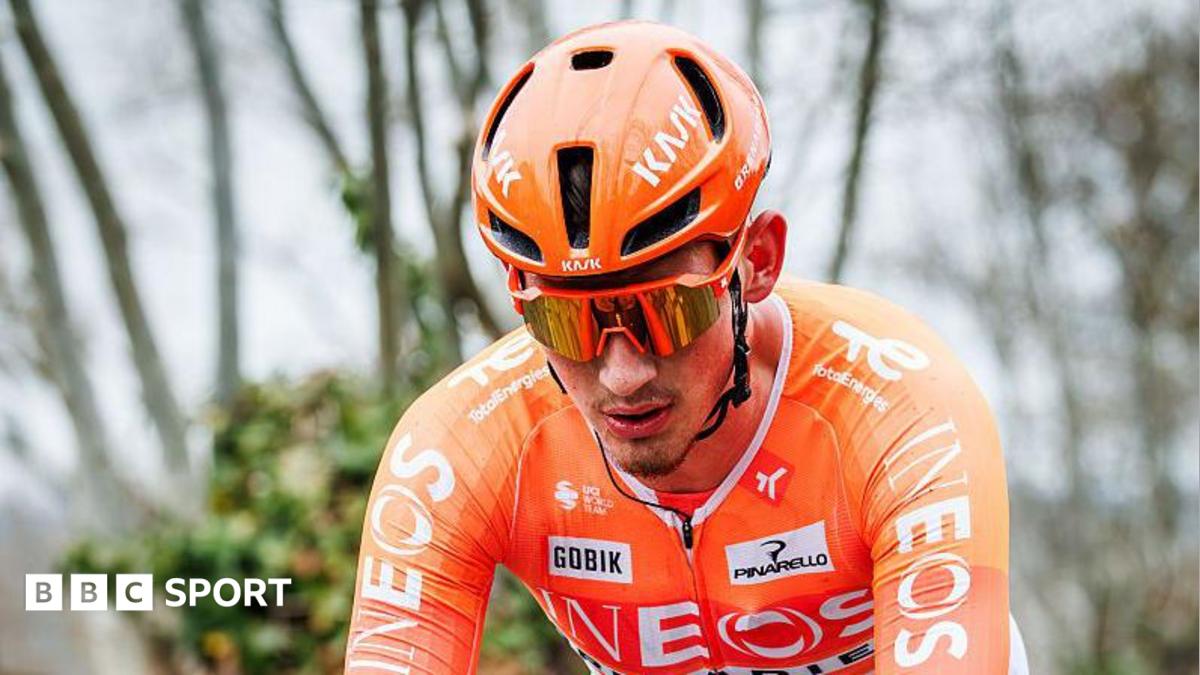
Josh Tarling’s return from a hospital bed to the start line of the Tour de France in just three weeks is the kind of turnaround that immediately changes the tone around a rider’s season. For Ineos Grenadiers, it is not just a feel-good recovery story; it is a practical boost to a squad that values reliability, engine power and race intelligence across three punishing weeks.
Three weeks ago, Tarling’s participation in the Tour looked in serious doubt. That matters because the Tour de France is not a race where teams can easily replace a rider who has prepared specifically for the demands of the event. Even when a young rider is not expected to chase personal classification ambitions, simply being present can be tactically important: helping control stages, supporting leaders, and absorbing the rhythm of the biggest race in cycling.
Why Tarling’s return matters for Ineos
Ineos Grenadiers have long built their Grand Tour campaigns around depth, discipline and the ability to adapt when the race changes shape. A rider like Tarling fits that model. The source makes clear that his primary objective was to support the team, gain experience and finish his first Tour de France. That is a sensible role for a rider at this stage of development, especially in a race where learning how to recover day after day can be as valuable as any single result.
From a supporter’s perspective, the significance is twofold. First, there is the obvious human element: a rider recovering quickly enough to make the Tour after being in hospital is a strong sign of determination and physical resilience. Second, there is the sporting value. Every rider who can complete the Tour gives a team more options, particularly in a race where crashes, illness and fatigue can quickly reduce a squad’s effectiveness.
A first Tour built on experience
Tarling’s stated aim of supporting Ineos and gaining experience suggests the team are thinking long term as well as in the immediate race. For a young rider, the Tour de France is a brutal classroom. The pace, pressure and tactical complexity are unlike anything else on the calendar. Completing the race, if he can do so, would be a meaningful step in his development and a useful marker for what comes next.
There is also a wider lesson here about how quickly a rider’s prospects can change. Three weeks ago, the Tour appeared over for Tarling. Now, he is back in the conversation, and that alone adds an extra layer of interest to Ineos’ campaign. For a team chasing marginal gains, having a rider recover in time to contribute is the sort of detail that can matter more than it first appears.
For supporters, this is the kind of story that goes beyond results. It speaks to the physical demands of elite cycling, the uncertainty that surrounds Grand Tour selection, and the value of simply making it to the start. If Tarling can turn that recovery into a completed Tour, it will be a small but significant victory in itself.
Source note: This article was prepared using publicly available information from BBC Sport and expanded with editorial context.
Share this content: