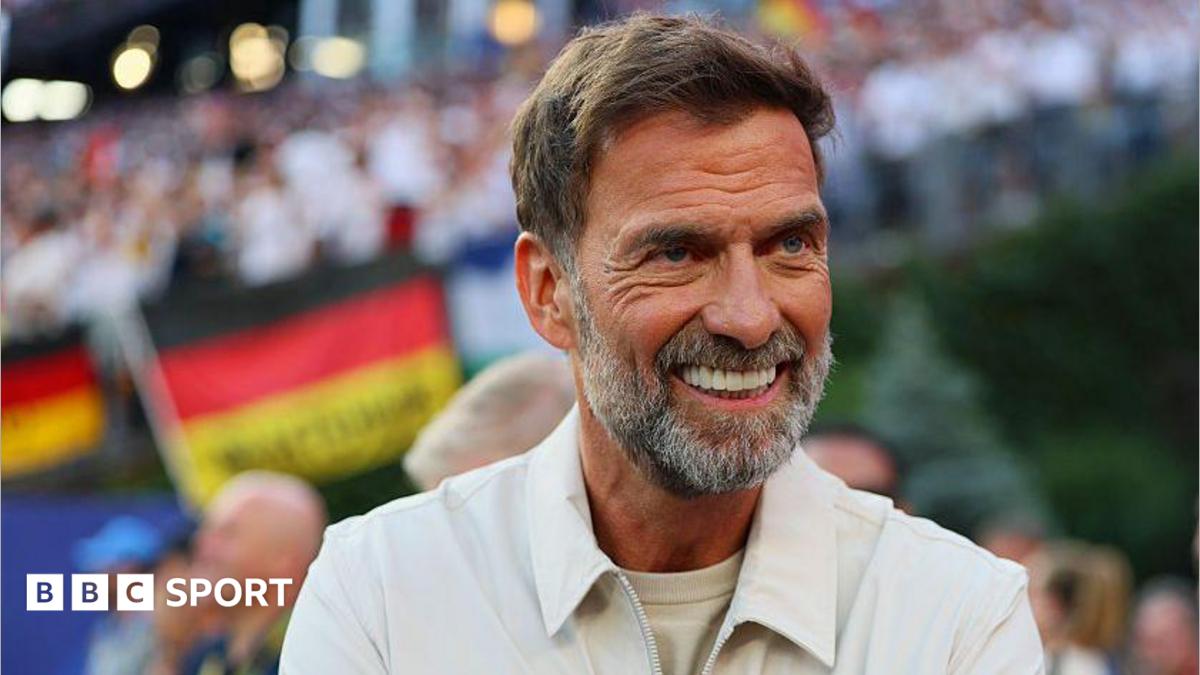
Jurgen Klopp is understood to have reached an agreement in principle to take charge of Germany’s men’s national team, in a development that would bring one of football’s most recognisable coaches back into the international game. According to the BBC Sport report, Klopp is set to replace Julian Nagelsmann, with the move representing a major shift for both Germany and the wider coaching landscape.
The significance of the story goes beyond the headline appointment. Klopp has spent years building a reputation as one of the defining managers of the modern era, with his work at club level associated with high-intensity pressing, emotional leadership and a clear attacking identity. For Germany, a national team that has often looked for a strong tactical and cultural reset after major tournaments, the prospect of appointing a coach with that profile is highly consequential.
Why this matters for Germany
Germany’s national team has been under pressure to restore consistency and authority on the international stage. A coach of Klopp’s stature would immediately alter the mood around the side, not only because of his name value, but because of the tactical clarity he tends to bring. Supporters would naturally see the appointment as a statement of intent: a move designed to sharpen the team’s identity and raise standards ahead of future tournaments.
Replacing Nagelsmann would also be notable because it suggests Germany are prepared to make a decisive change rather than continue with a project that may have required more time. While the source does not provide details on timing, contract length or the formal steps remaining, the reported agreement in principle is enough to indicate that discussions have moved beyond the speculative stage.
What Klopp could change
If confirmed, Klopp’s arrival would invite immediate tactical scrutiny. His club teams have typically been built around energy, vertical movement and collective pressing, qualities that can translate well to tournament football when a squad is balanced and physically prepared. For Germany, that could mean a more aggressive approach out of possession and a more direct attacking rhythm in transition.
For supporters, the emotional impact may be just as important as the tactical one. Klopp is a figure who tends to galvanise fan bases, and his appointment would likely be viewed as a chance to reconnect the national team with a clearer sense of purpose. Even so, the report remains framed as an agreement in principle, so the story should still be treated with appropriate caution until any official confirmation follows.
What is already clear is that this is a potentially defining moment for Germany. If the move is completed, it would be one of the most eye-catching coaching appointments in recent international football and a signal that Germany want a proven elite leader at the centre of their rebuild.
Source: BBC Sport
Source note: This article was prepared using publicly available information from BBC Sport and expanded with editorial context.
Share this content: