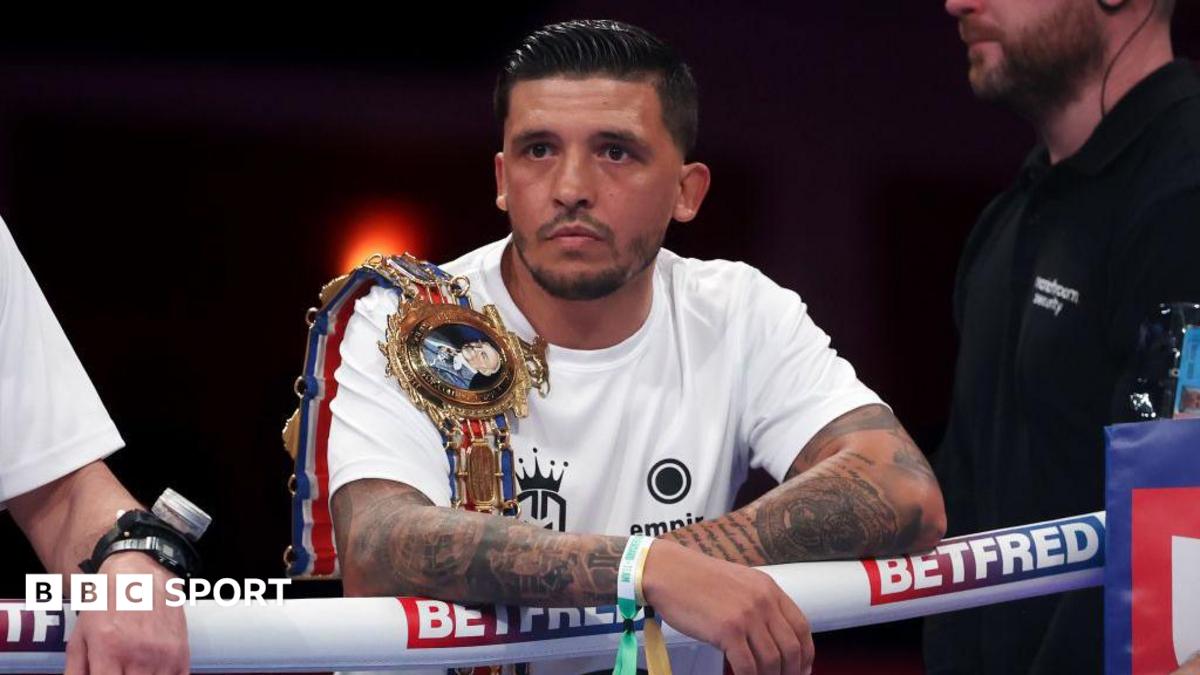
Lee Selby’s decision to step into bareknuckle fighting is a reminder that even a world champion’s career can reach a point where the usual routes in boxing no longer offer enough momentum, money or visibility. The BBC’s report makes clear that Selby is not approaching the switch naively: he understands the danger, and he understands the physical cost that comes with a sport where the margin for error is even smaller than in conventional boxing.
For supporters, the move is striking because it reflects a broader reality in combat sports. A fighter can win titles, build a reputation and still find that the market changes quickly once the elite championship window begins to close. Bareknuckle boxing has become one of the more controversial alternatives for experienced fighters looking for a fresh stage, but it also carries obvious questions about safety, longevity and the price of staying active.
Why the move matters
Selby’s background as a world champion gives this story weight. Fighters with that level of pedigree are usually associated with the traditional ladder of title defences, rankings and sanctioned bouts. Choosing bareknuckle competition suggests a different calculation: one shaped by opportunity, risk and the need to keep competing in a sport where inactivity can be as damaging as defeat.
That is what makes this more than a novelty headline. It speaks to the economics of boxing and the pressure on established names to remain visible. For some fighters, bareknuckle offers a way to extend a career and keep earning. For others, it raises concerns about whether the sport is asking too much of athletes who have already absorbed years of punishment.
What supporters should take from it
From a fan perspective, Selby’s move will divide opinion. Some will see it as a brave attempt to keep fighting on his own terms. Others will view it as a worrying sign of how difficult it can be for former champions to find the right exit from the sport. Either way, the story highlights the tension between ambition and preservation that sits at the heart of combat sports.
The BBC’s framing is important because it does not romanticise the switch. It presents Selby as someone fully aware of the danger, which is the key point here. Bareknuckle fighting is not just another promotional detour; it is a serious and high-risk choice that changes the stakes for any boxer who enters it.
For Goal Sports News readers, the wider implication is simple: when a former world champion chooses a path like this, it says as much about the state of the sport as it does about the fighter himself. Selby’s decision is a personal one, but it also reflects the realities that push experienced boxers toward unconventional opportunities once the traditional route becomes harder to sustain.
Source note: This article was prepared using publicly available information from BBC Sport and expanded with editorial context.
Share this content: