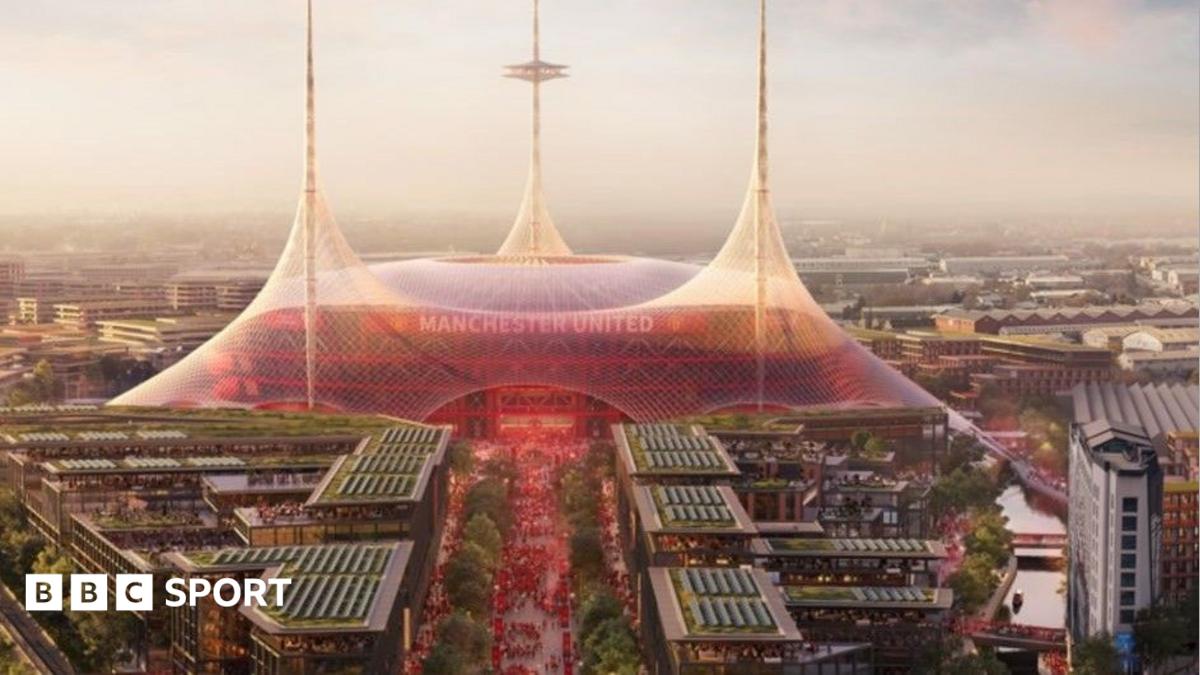
Manchester United have taken a notable step forward in their long-term stadium plans by buying most of the land required for a proposed 100,000-capacity ground near Old Trafford. The move does not mean construction is imminent, but it does suggest the club is continuing to push ahead with one of the most ambitious infrastructure projects in English football.
For supporters, the significance is obvious. Old Trafford remains one of the game’s most recognisable venues, but the debate over its future has grown louder as rival clubs have modernised or expanded their homes. A new stadium of this scale would be about more than extra seats: it would be a statement about Manchester United’s commercial direction, matchday experience and long-term identity.
A major land step, but not the finish line
Buying the majority of the land needed is an important practical milestone because stadium projects of this size are often shaped as much by planning, access and surrounding development as by the pitch itself. Securing land reduces one of the biggest uncertainties in the process and gives the club more control over how any future build could fit into the wider Old Trafford area.
The BBC report also notes that United feel Burnham’s exit will not affect the stadium plans. That detail matters because it suggests the club believes the project has enough momentum to continue regardless of political or administrative changes around it. For a development of this scale, stability in the background is often just as important as funding and design.
What it could mean for United on and off the pitch
From a football perspective, a 100,000-seat stadium would reshape the club’s matchday ceiling and potentially strengthen revenue streams over time. That matters in an era when elite clubs are increasingly judged not only by results, but by their ability to generate income, attract global audiences and keep pace with the sport’s biggest commercial operators.
For the team, the immediate impact is limited because this is still a planning and land-acquisition story rather than a footballing one. But the wider message is clear: United are trying to build for the next era, not just the next season. That will be welcomed by fans who want visible progress after years of uncertainty around the stadium’s future.
There is also a symbolic layer. Old Trafford has been central to the club’s history, and any move toward replacement or major redevelopment will always carry emotional weight. The challenge for United is to balance heritage with ambition, ensuring that any new home feels like a continuation of the club’s identity rather than a break from it.
For now, the land purchase is best viewed as a meaningful advance rather than a final decision. But in a project this large, every step matters — and this one suggests Manchester United are serious about turning a long-discussed idea into reality.
Source note: This article was prepared using publicly available information from BBC Sport and expanded with editorial context.
Share this content: