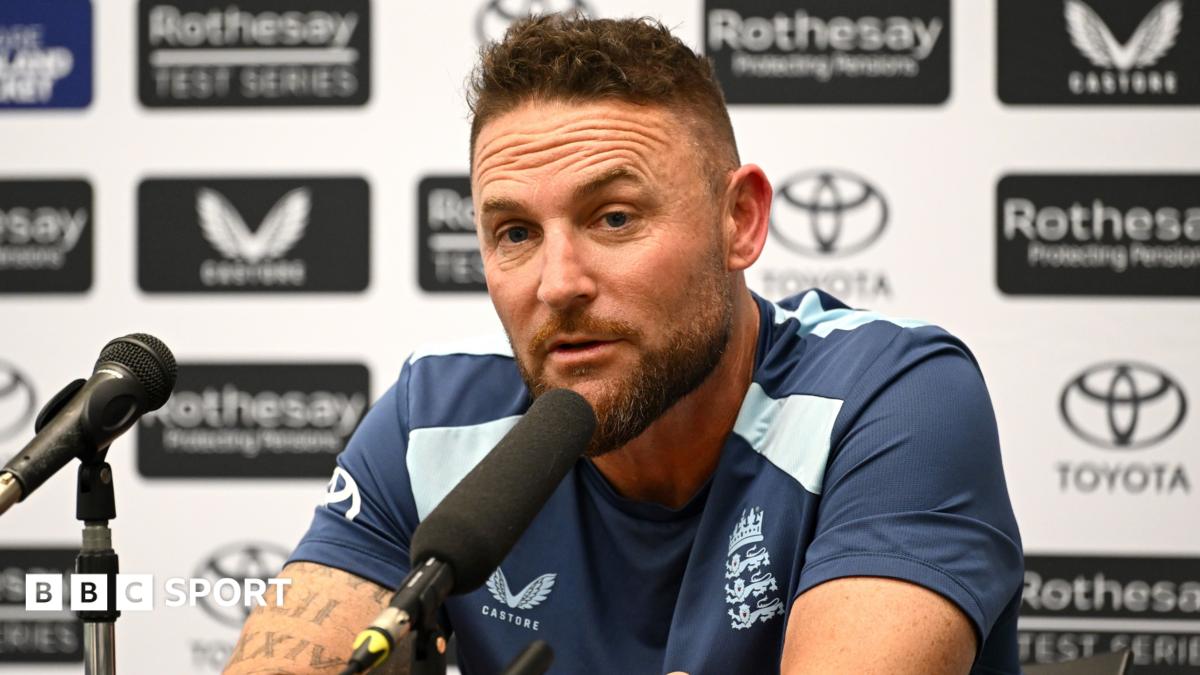
Brendon McCullum has moved to shut down speculation over a supposed breakdown in his relationship with Ben Stokes, saying the England head coach and captain remain close and are both puzzled by the rumours that have circulated around the team.
The comments matter because England’s leadership structure has been one of the defining features of the McCullum-Stokes era. Their partnership has shaped the side’s identity, with Stokes providing the on-field authority and McCullum setting the tone from the coaching seat. Any suggestion of tension naturally draws attention, especially at a time when England supporters are used to reading every selection call and public comment through the lens of stability and momentum.
McCullum seeks to calm speculation
McCullum’s response was direct: he said he remains “good friends” with Stokes and that neither of them understands where the rift narrative has come from. That is important not only as a denial, but as a reminder that modern international teams often have to manage noise as much as performance. In England’s case, the scrutiny is amplified by the profile of both men and the expectations attached to the side whenever they are in transition or under pressure.
For supporters, the immediate takeaway is that there is no verified sign of a split from the information available. Instead, the story reflects how quickly speculation can build around high-profile figures, particularly when a captain and head coach are central to the team’s direction. In practical terms, England will want the focus to remain on cricketing decisions rather than off-field narratives.
Why the relationship matters for England
The McCullum-Stokes partnership has been central to England’s recent identity, with the pair widely associated with a more aggressive and decisive style of play. That makes their relationship more than a personal matter; it is part of the team’s competitive framework. If the bond between coach and captain were ever to weaken, it could affect selection clarity, tactical messaging and the confidence of the wider squad.
At present, though, the only verified facts point in the opposite direction. McCullum’s public insistence on friendship and mutual confusion over the rumours suggests England are trying to keep the conversation where it belongs: on performance, not gossip. For fans, that should offer some reassurance, even if the wider noise around the team is unlikely to disappear completely.
With Stokes back in the frame, England’s priority will be to translate leadership stability into results. The bigger picture remains unchanged: when McCullum and Stokes are aligned, England tend to look more coherent, more assertive and better equipped to handle the demands of international cricket.
Source note: This article was prepared using publicly available information from BBC Sport and expanded with editorial context.
Share this content: