BBC Sport’s latest World Cup preview on Ghana is a reminder that international football is often shaped as much by timing and momentum as by reputation. With England set to assess the Black Stars, the headline question is not simply which individual players can hurt them, but how a side dealing with a disrupted preparation can still pose problems in a tournament environment.
According to the BBC report, Ghana’s build-up was unsettled by the dismissal of coach Otto Addo just 72 days before the start of the World Cup, after a run of poor results. That detail matters because national teams rarely have the luxury of long training blocks to repair structural issues. When a coaching change arrives that late, it can affect everything from pressing triggers to defensive spacing and set-piece organisation.
Why England should take Ghana seriously
For England, the lesson is straightforward: a team in transition can still be dangerous, especially if it carries the athleticism and directness that has often made Ghana awkward opponents in major tournaments. Even without a settled coaching picture, a squad with pace, physical intensity and individual quality can punish lapses in concentration. That is particularly relevant for England, whose recent tournament campaigns have often hinged on control in midfield and discipline at the back.
From a tactical perspective, England will be expected to dominate possession, but that can create its own risks. If Ghana are compact and willing to break quickly, the spaces left behind advanced full-backs or an aggressive midfield line could become the key battleground. In that sense, the identity of Ghana’s standout players is only part of the story; the bigger issue is whether England can manage transitions and avoid giving the Black Stars the kind of moments that can swing a group-stage match.
What the build-up means for supporters
For Ghana supporters, the late coaching change will naturally raise concerns about continuity and clarity, but it can also sharpen the team’s focus. International tournaments often reward resilience, and a squad that has been forced to adapt quickly may arrive with a siege mentality. For England fans, the BBC’s framing is a useful warning against complacency: World Cup fixtures are rarely decided by pedigree alone.
The broader significance is that this is exactly the type of opponent England must prepare for carefully. A side with a disrupted lead-in can be unpredictable, and unpredictability is often what makes tournament football so difficult to manage. If England are to progress with authority, they will need to treat Ghana not as a routine fixture, but as a test of structure, concentration and game management.
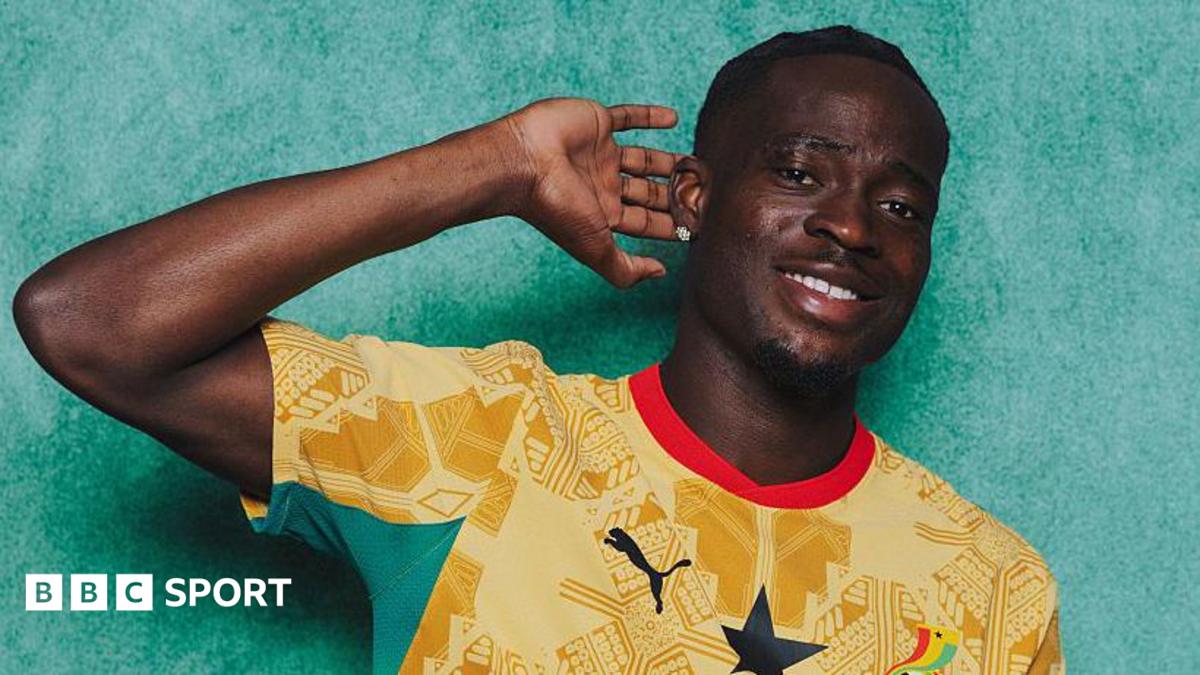
BBC Sport’s focus on which Ghana players England should watch suggests the match will be shaped by individual moments as much as collective organisation. For both sets of supporters, that is what makes the contest compelling: one team trying to impose control, the other trying to turn uncertainty into opportunity.
Source note: This article was prepared using publicly available information from BBC Sport and expanded with editorial context.
Share this content: