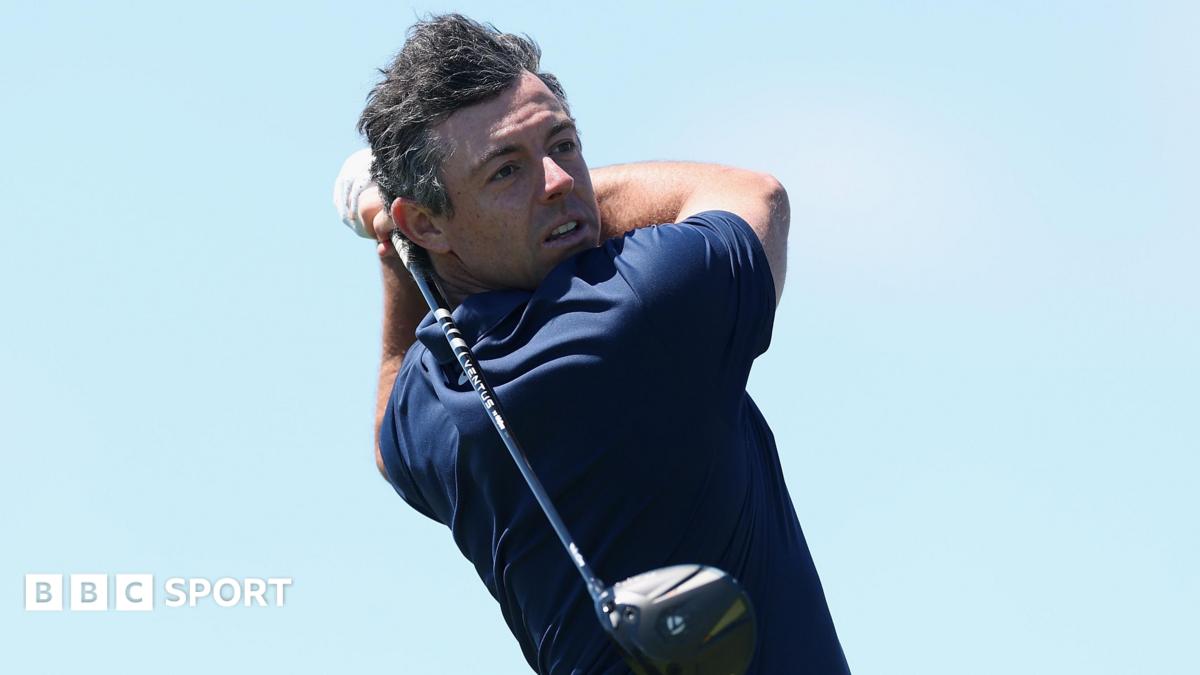
Rory McIlroy has added his voice to the pre-tournament debate around the US Open at Shinnecock Hills, urging organisers to avoid a repeat of the conditions that turned the course into a flashpoint during previous championships. His warning is less about one player’s preference and more about the broader balance the US Open always tries to strike: demanding enough to test the best, but not so severe that the competition becomes defined by survival rather than golf.
Shinnecock Hills carries a reputation that still shapes the conversation around any return visit. McIlroy’s intervention matters because he is one of the sport’s most recognisable major champions, and because his perspective reflects a common concern among players when a course setup begins to dominate the event itself. At the US Open, rough, firmness and green speed are part of the identity of the tournament, but when those elements are pushed too far, the championship risks becoming controversial for the wrong reasons.
Why McIlroy’s warning matters
For supporters and viewers, the setup question is not a technical footnote. It can decide whether the week produces a compelling contest or a grind that frustrates players and fans alike. McIlroy’s call for caution suggests that the field is already alert to the possibility of extreme scoring conditions at Shinnecock Hills, a venue whose past US Open editions have left a lasting impression.
That history gives this week’s championship an added layer of tension. Organisers will want to preserve the US Open’s traditional difficulty, but they will also be conscious that the modern game expects a test that rewards precision without tipping into chaos. McIlroy’s remarks effectively frame the issue as one of control and credibility: the best majors are remembered for the quality of the contest, not for a setup that overshadows it.
What it means for the championship
McIlroy’s comments also underline how much course conditions can influence strategy. If Shinnecock is set up aggressively, players may be forced into a more conservative approach, prioritising position over attack. That can reduce birdie chances and place even greater emphasis on patience, short-game discipline and avoiding big numbers. For a player like McIlroy, whose game has often thrived when he can impose himself off the tee, the exact setup could shape how much freedom he has to play his natural style.
For the tournament as a whole, the message is straightforward: the US Open should be stern, but it should remain fair. McIlroy’s warning is a reminder that the line between a classic major test and a controversial one can be thin, especially at a venue with recent history already under scrutiny. As the championship begins, all eyes will be on whether Shinnecock Hills produces a demanding but balanced examination, or whether the conditions once again become the story.
For Northern Ireland supporters, McIlroy’s stance will be familiar. He has long been willing to speak plainly about the demands of major golf, and this latest intervention reinforces his role not just as a contender, but as one of the sport’s most influential voices when the conversation turns to fairness, setup and the integrity of championship golf.
Source note: This article was prepared using publicly available information from BBC Sport and expanded with editorial context.
Share this content: