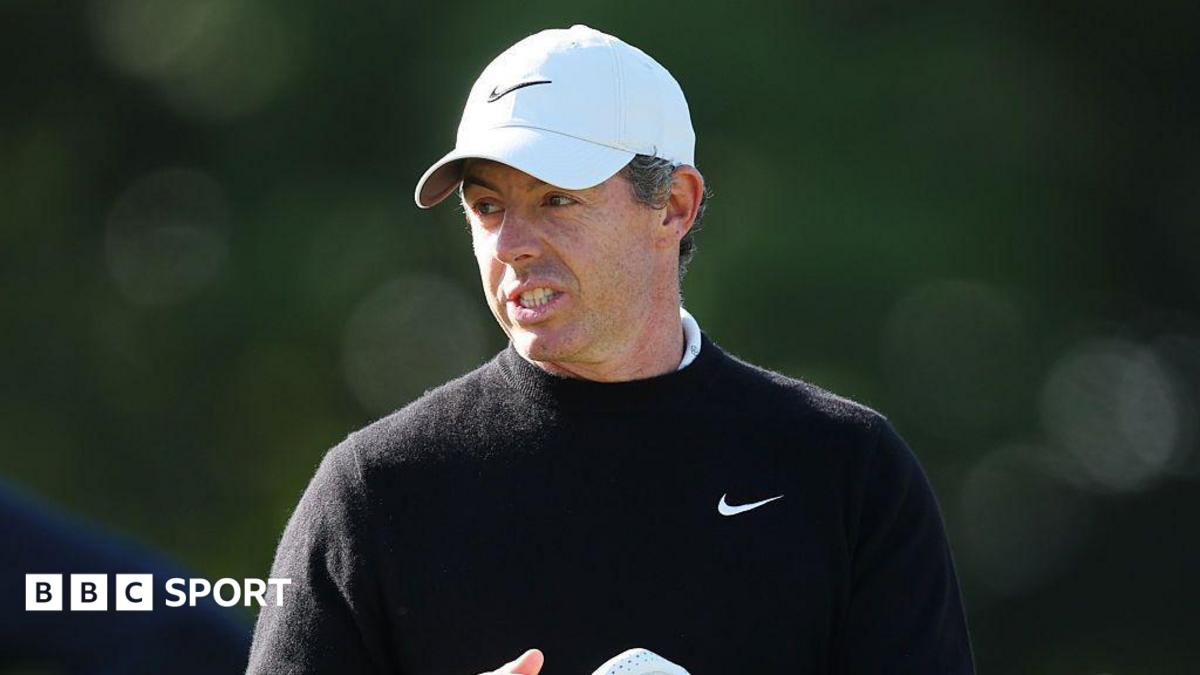
Rory McIlroy’s warning over the Scottish Open is a reminder that golf’s calendar changes can have consequences well beyond the United States. As the PGA Tour moves toward a two-tier structure in 2028, the Northern Irishman has urged officials to be careful about how the Scottish Open fits into that redesign.
For supporters and regular followers of the event, the concern is straightforward: the Scottish Open has become one of the most important stops in the summer schedule, with a strong field, a clear identity and a valuable place in the build-up to major championship golf. Any shift in status could affect not only the quality of the field but also the event’s standing within the wider game.
Why McIlroy’s warning matters
McIlroy is not speaking in a vacuum. When a leading player raises concerns about a tournament’s future, it usually reflects broader anxieties inside the sport about scheduling, access and prestige. The Scottish Open has long carried significance as a high-profile event in Scotland, and its role has only grown as elite players have increasingly used it as a competitive tune-up in a major week.
The PGA Tour’s planned revamp is intended to reshape the structure of competition, but any new tiering system risks creating winners and losers among tournaments that sit outside the core American market. McIlroy’s intervention suggests that the Scottish Open could be vulnerable if decision-makers prioritise a new hierarchy without protecting events that already matter to players and fans.
What it could mean for the Scottish Open
For the tournament itself, the stakes are more than symbolic. A reduced profile could influence sponsorship value, television interest and the strength of the field. For Scottish golf fans, the event is one of the few chances each year to see top-level players compete on home soil, and its importance extends beyond one week in the calendar.
There is also a wider strategic issue. Golf has spent years trying to balance tradition, commercial growth and global reach. The Scottish Open sits at the intersection of those priorities: historic, internationally relevant and attractive to elite players. That makes it exactly the kind of event that could be affected if the sport’s governing and commercial bodies do not coordinate carefully.
McIlroy’s comments therefore land as more than a passing opinion. They underline the tension between reform and preservation, and they put the spotlight on how the PGA Tour’s 2028 plans may reshape opportunities for tournaments outside its traditional centre of gravity. For now, the message is clear: the Scottish Open still matters, and many in the game will want to make sure that does not change.
Source note: This article was prepared using publicly available information from BBC Sport and expanded with editorial context.
Share this content: