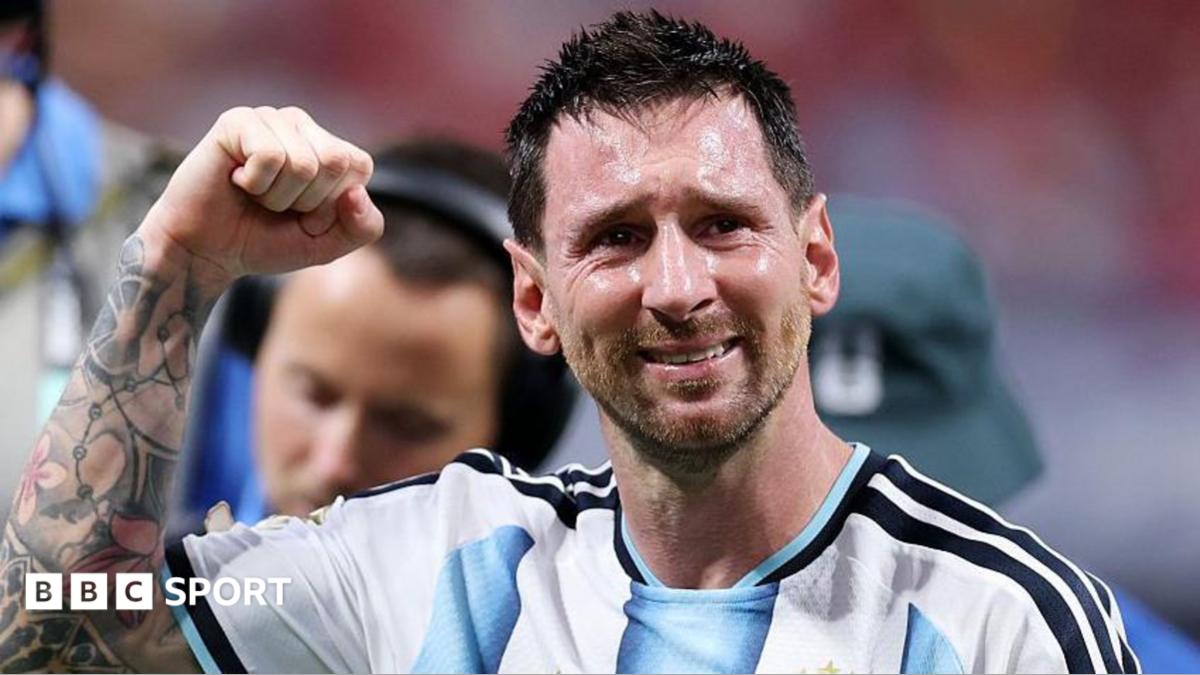
BBC Sport’s latest World Cup analysis focuses on Lionel Messi and the way his role has changed as Argentina look to defend the trophy. The headline figure — that Messi “walked for 47% of the World Cup” — is less a criticism than a window into how elite players manage energy, space and influence across a tournament. For Argentina, that evolution matters because any title defence will almost certainly depend on Messi being decisive in the moments that count, rather than covering every blade of grass.
Argentina’s task is historically difficult. The BBC notes that if they are to retain the World Cup, they would become the first nation to do so since 1962 and only the third in the competition’s history. That context alone underlines the scale of the challenge. Tournament football punishes teams that rely too heavily on one player, but it also rewards sides that can build a structure around a generational talent. Messi remains the player around whom Argentina’s attacking identity is most likely to revolve.
Why Messi’s workload matters
The modern version of Messi is not defined by constant sprinting or relentless pressing. Instead, his value comes from timing, positioning and the ability to influence matches in short, decisive bursts. That has tactical implications for Argentina. If the team can protect him in deeper phases and move the ball quickly into advanced areas, they can preserve his sharpness for the final third, where he remains among the most dangerous players in world football.
For supporters, this is part of the fascination. Messi’s evolution has mirrored Argentina’s own shift from a side built around individual brilliance to one that must balance control, compactness and efficiency. The question is not whether he can still decide games — the evidence suggests he can — but whether Argentina can create the conditions for him to do so repeatedly across a demanding tournament.
What it means for Argentina
Any World Cup defence requires more than star power. It needs resilience, tactical discipline and the ability to adapt when opponents target the obvious threat. Messi’s presence gives Argentina a match-winning edge, but it also shapes how rivals prepare. That can open space for others if Argentina are organised enough to exploit it. In that sense, Messi’s evolution is not just about his own output; it is about how the entire team is built to maximise his strengths.
BBC Sport’s framing suggests that Messi’s influence is now as much about economy as volume. If Argentina are to make history again, they may need exactly that: a captain who does not do everything, but does the right things at the right time.
Source note: This article was prepared using publicly available information from BBC Sport and expanded with editorial context.
Share this content: