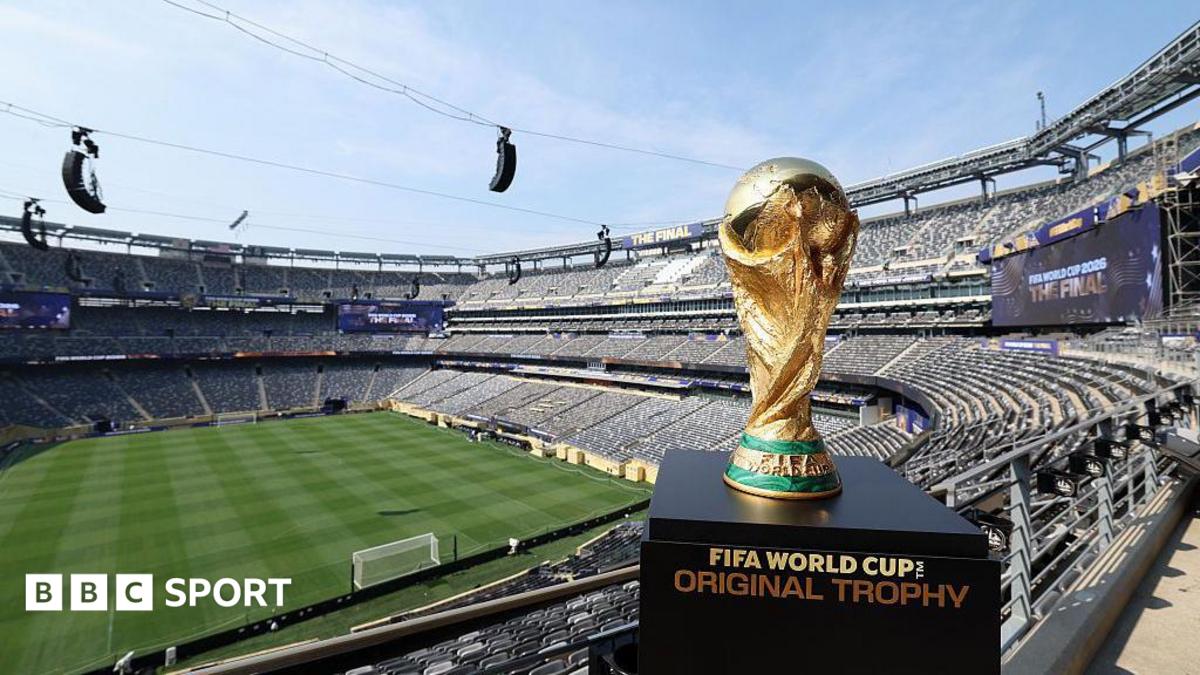
With the World Cup final approaching, attention is turning away from the pitch and toward the venue itself. BBC Sport’s latest piece asks a simple but important question: is MetLife Stadium the right place to stage football’s biggest match?
That debate matters because a World Cup final is not just another fixture. It is the defining event of the tournament, the match that shapes how a World Cup is remembered for years. The stadium, the atmosphere, the sightlines, the pitch quality and the sense of occasion all feed into that legacy. When supporters talk about a final, they are not only judging the teams and the result; they are also judging the stage.
Why the venue debate matters
MetLife Stadium has become the focus because the final is expected to be played in a setting that can either elevate the occasion or leave it feeling flat. That is where the BBC’s framing is especially relevant. A venue can be technically suitable and still fail the emotional test that fans apply to a World Cup final. For many supporters, the ideal final should feel iconic from the moment the teams walk out.
In that sense, the discussion goes beyond aesthetics. It touches on football culture, tournament identity and the balance between commercial scale and sporting tradition. The World Cup has long been a competition where the host city and stadium become part of the story. If the final venue does not capture that sense of theatre, it risks becoming a talking point for the wrong reasons.
What it means for supporters
For fans, this is about more than architecture or branding. It is about whether the final will feel like a true global showcase. Supporters want a venue that matches the weight of the occasion, especially after a tournament that, according to BBC Sport, has already produced drama and classic matches. The final should be the culmination of that narrative, not a let-down after weeks of high-level football.
There is also a practical side to the debate. The stadium choice affects travel, atmosphere and the overall presentation of the match. Those details may not decide the result, but they do shape the experience for fans in the ground and millions watching around the world.
As the tournament moves toward its conclusion, the venue conversation will continue to sit alongside the football itself. Whether MetLife Stadium ultimately feels like a worthy host will depend on how the final unfolds and how strongly it captures the imagination of supporters. For now, BBC Sport’s question reflects a broader truth about the World Cup: the final must be worthy of the competition it crowns.
Source note: This article was prepared using publicly available information from BBC Sport and expanded with editorial context.
Share this content: