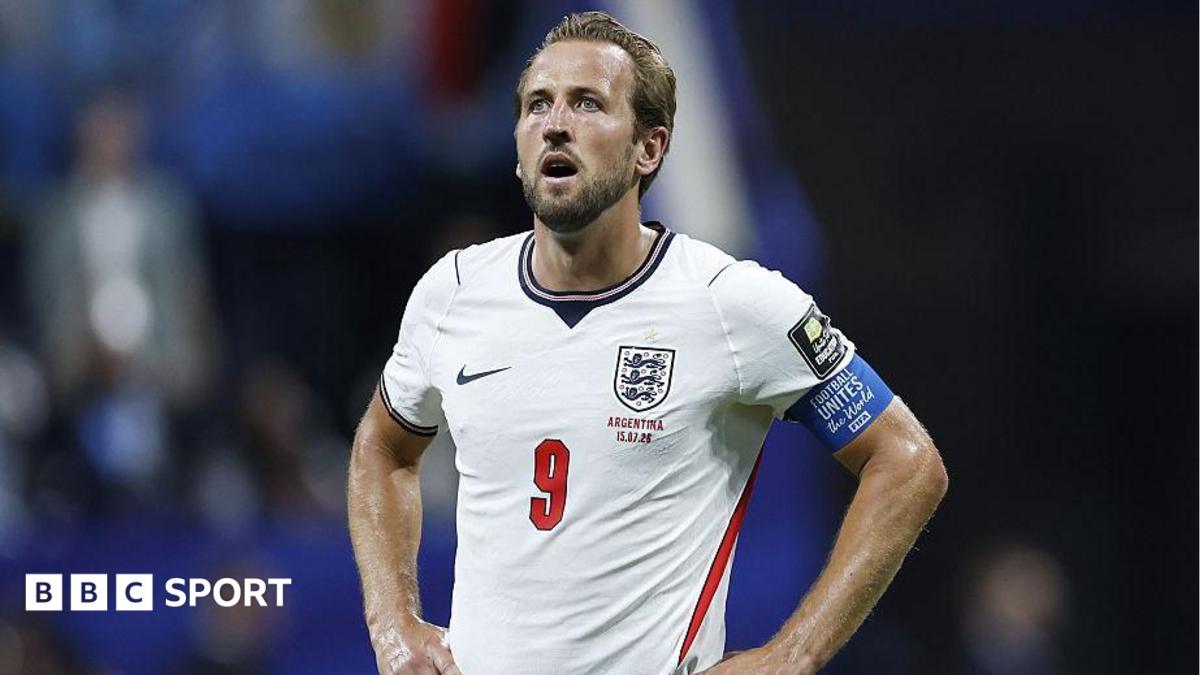
Harry Kane remains the defining figure in England’s attack, but the question now is not only how the national team uses him today, but what comes after him. BBC Sport’s latest discussion around “life after Kane” reflects a wider tactical issue that has followed England for years: whether the side can evolve beyond a classic centre-forward dependency and move toward a more fluid false nine model.
Kane’s influence goes beyond goals
Kane’s importance to England is not limited to finishing chances. He has long been the reference point for build-up play, link-up movement and penalty-box presence, which means any future without him would force a structural rethink rather than a simple like-for-like replacement. That is why the false nine debate matters. If England do not have a striker with Kane’s all-round profile, the team may need to create chances through rotation, midfield runners and wide forwards arriving centrally.
Asked whether he would still be around for the 2030 World Cup, Kane replied: “It’s too early to talk about that.” The comment is cautious rather than definitive, but it underlines the reality that England must plan for a future in which their captain may no longer be the focal point of the attack. For supporters, that is both a concern and an opportunity: a concern because Kane’s output has been central to England’s recent identity, and an opportunity because tactical change can sometimes unlock a more unpredictable team.
What a false nine future could mean
A false nine system would not simply remove a striker; it would change how England occupy space between the lines. Instead of relying on a fixed central target, the front line would likely become more interchangeable, with attacking midfielders and wingers taking on greater responsibility for goals. That can make a team harder to mark, but it also demands high technical quality, coordinated pressing and disciplined movement.
England have often been strongest when their best attacking players are given clear roles, yet tournament football increasingly rewards flexibility. The debate around Kane therefore speaks to a broader strategic question for the national side: should England continue to build around a traditional No 9, or begin preparing for a more modern, positionally fluid attack? The answer will shape selection, development and the type of players the system prioritises in the coming years.
For now, Kane is still central to England’s present. But the fact that his long-term future is already being discussed shows how quickly the national team must think ahead. Whether England eventually embrace a false nine or find another elite striker, the transition away from Kane will be one of the most significant tactical shifts in the team’s modern era.
Source note: This article was prepared using publicly available information from BBC Sport and expanded with editorial context.
Share this content: