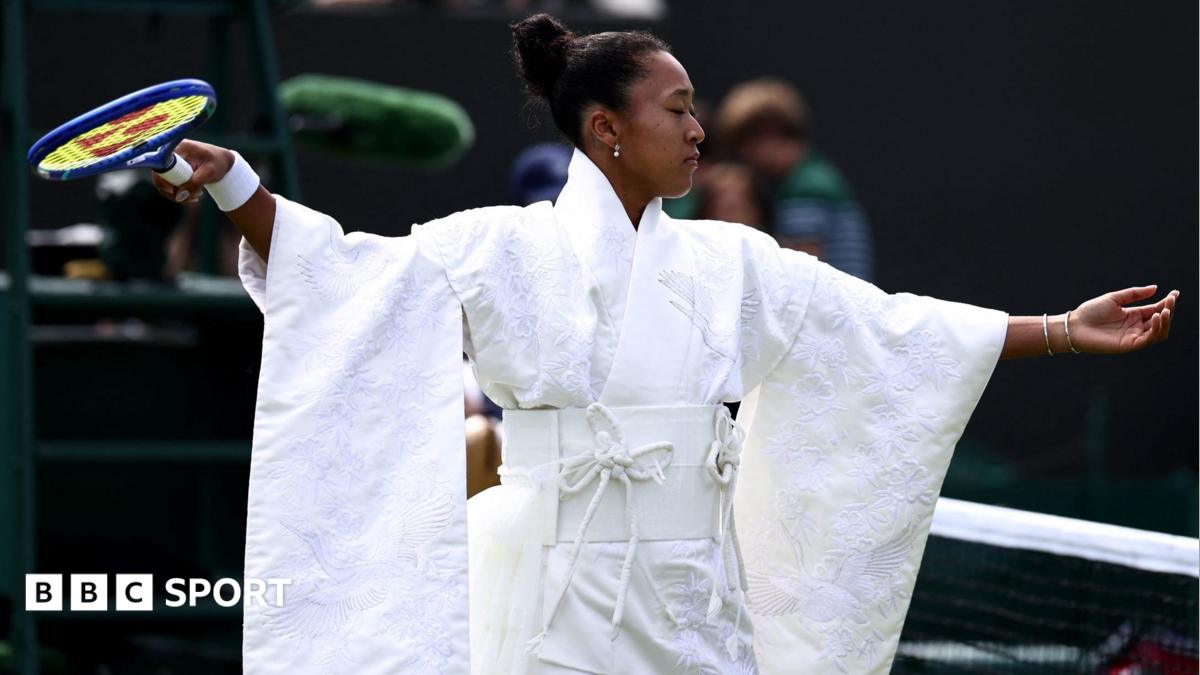
Naomi Osaka’s latest Wimbledon appearance was not just about style. According to BBC Sport, the former world No 1 used a kimono-inspired look to pay “love and respect” to Japan, turning one of tennis’s most watched stages into a personal cultural statement.
For a player long associated with bold on-court fashion, the challenge at Wimbledon is obvious: the tournament’s dress code is among the strictest in sport. That makes Osaka’s outfit more than a visual talking point. It is a reminder that elite tennis players often have to find ways to express identity within tightly controlled traditions, especially at an event that still carries a strong sense of ceremony and heritage.
Why Osaka’s Wimbledon look matters
Osaka has built a reputation for using clothing as part of her public identity, and that matters because modern tennis is as much about image and individuality as it is about results. A player’s kit can become a statement of confidence, culture or mood, and Osaka has repeatedly shown an understanding of that space. At Wimbledon, however, the margins are narrower. The all-white expectation and the tournament’s conservative aesthetic mean any deviation has to be carefully considered.
That is why the kimono reference is significant. It suggests a deliberate attempt to connect personal heritage with one of the sport’s most traditional venues. For supporters, especially those following Osaka beyond the scoreboard, it adds another layer to her presence at the tournament: she is not only competing, but also representing a broader cultural narrative.
Tradition, branding and the modern tennis stage
Wimbledon has always been a place where tradition is part of the product. Yet the sport has changed, and players now arrive with global audiences, commercial partnerships and carefully managed personal brands. Osaka sits near the centre of that evolution. Her outfits often generate as much discussion as her matches, which is a sign of how influential top players have become in shaping tennis culture.
From a sporting perspective, these moments also matter because they can sharpen attention on a player before a match begins. That can be a benefit if the spotlight is welcomed, but it can also add pressure. Osaka’s ability to channel that attention into a respectful tribute rather than a distraction is part of what makes the story resonate.
For Wimbledon, the episode reinforces a familiar tension: the tournament wants to preserve its identity, while players increasingly want room to express theirs. Osaka’s kimono-inspired look sits right in that space, blending respect for Japan with the realities of competing on tennis’s most traditional stage.
Source note: This article was prepared using publicly available information from BBC Sport and expanded with editorial context.
Share this content: