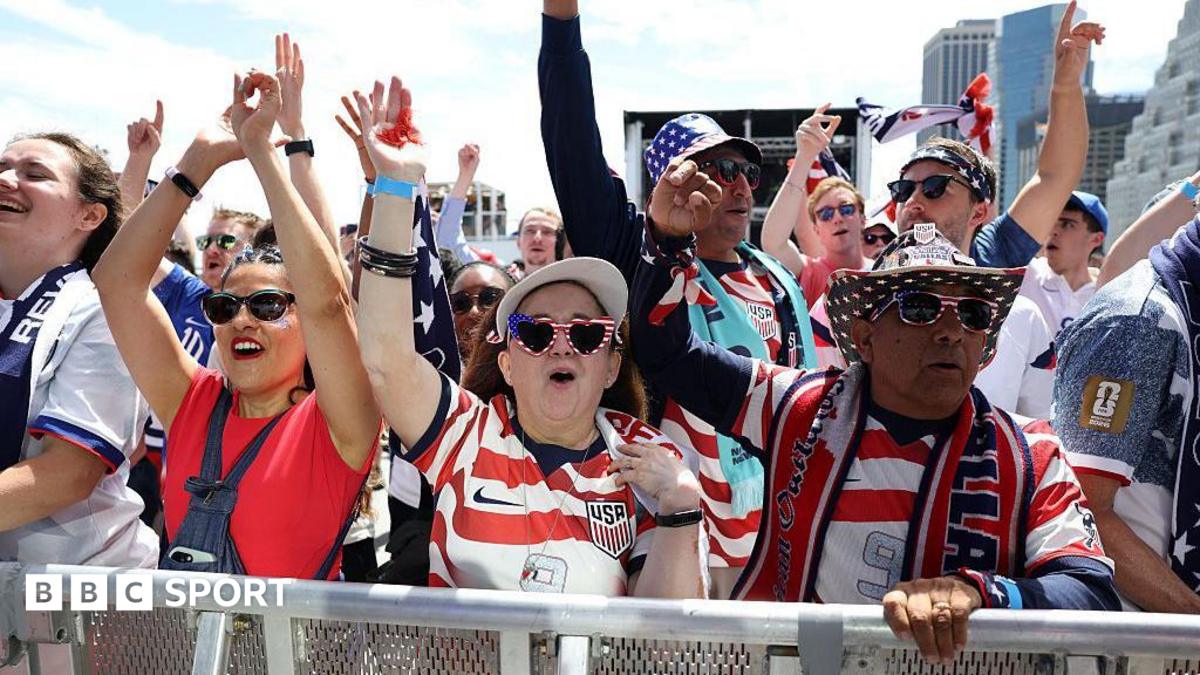
The World Cup is supposed to be one of football’s most powerful global events, but BBC Sport’s latest piece highlights a familiar problem for the game in the United States: even when the tournament is underway, it can struggle to cut through a crowded domestic sports market. In a country where basketball, baseball, American football and the NBA Finals all compete for attention, football’s biggest international stage does not always dominate the conversation in the way it does elsewhere.
The BBC’s framing is telling. By contrasting the noise and emotion around the NBA Finals with the relative indifference some American audiences show toward the World Cup, the article points to a deeper cultural issue rather than a simple scheduling clash. For supporters and broadcasters, that matters because visibility drives engagement, and engagement drives long-term growth. If a major tournament can be overlooked in one of the world’s most commercially important sports markets, the challenge is not just about marketing a single event — it is about football’s place in the American sporting hierarchy.
Why the World Cup still fights for space in the US
Football has grown significantly in the United States over the past decade, helped by Major League Soccer’s expansion, the rise of women’s football, and a younger audience more open to the global game. Yet the BBC article suggests that even with that progress, the World Cup can still feel secondary to established American sports traditions. That is especially relevant in a year when the NBA Finals can generate the kind of street-level celebration and bar-room atmosphere that football administrators would love to see attached to the World Cup on US soil.
For FIFA and local organisers, the implication is clear: the tournament cannot rely on prestige alone. It needs narrative, accessibility and cultural relevance. That means making the World Cup feel like a shared national event for casual viewers, not just a competition for existing football fans. The article’s central point is not that Americans do not care about sport; it is that they care deeply about different sports, and football must continue earning its place.
What it means for supporters and the wider game
For football supporters, especially those hoping for stronger US engagement ahead of future World Cups, this is both a warning and an opportunity. The warning is that football still has work to do in a market with powerful alternatives. The opportunity is that every major tournament can help shift habits, create new fans and build a stronger base for the sport’s next generation.
That is why the BBC’s analysis matters beyond a single headline. It speaks to the broader business of football growth, the competition for attention in modern sport, and the reality that the World Cup’s global stature does not automatically translate into universal cultural dominance. In the United States, football’s rise is real — but so is the challenge of making the World Cup feel unmissable.
Source note: This article was prepared using publicly available information from BBC Sport and expanded with editorial context.
Share this content: