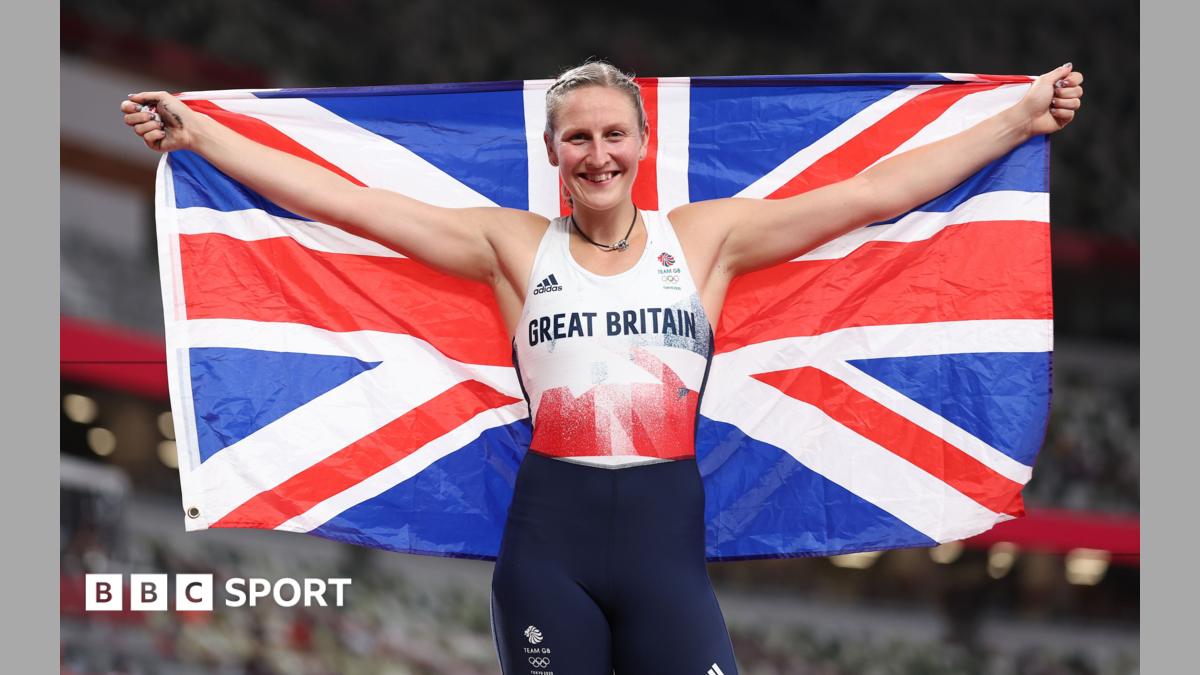
New camera guidance for female athletics coverage has put broadcast standards back under the spotlight, with organisers and broadcasters being encouraged to adopt more respectful angles during live events. The move reflects a wider push across sport to balance access, analysis and presentation with the dignity of the athletes being shown on screen.
For supporters, the issue goes beyond television production. How a sport is filmed shapes how it is perceived, especially in disciplines where athletes are often in motion, under pressure and competing in highly public settings. In athletics, where coverage can switch rapidly between track action, field events and athlete reactions, camera choices can influence whether the broadcast feels informative or intrusive.
What the new guidance means
The BBC report says the new guidelines are aimed at encouraging broadcasters to use more respectful camera angles when covering live female athletics events. That wording matters. It suggests the focus is not on reducing coverage, but on improving the way coverage is framed so that the sporting contest remains the priority.
In practical terms, this kind of guidance can affect how cameras are positioned around the track, how close-ups are used and how broadcasters balance crowd shots, athlete profiles and live action. For a sport built on precision, speed and individual performance, the broadcast lens can either enhance the competition or distract from it.
The timing is also notable because athletics continues to rely heavily on global television exposure to grow audiences and maintain commercial appeal. Broadcasters want compelling pictures, but they also need to avoid criticism over presentation standards. That tension is not new, but it is increasingly visible as sports bodies face greater scrutiny over how women’s events are covered.
Why the Diamond League angle matters
The BBC also notes that the Diamond League, which is broadcast on the BBC, does not go through the European Broadcasting Union and therefore would not necessarily have to follow the guidance. That creates an important distinction for viewers and rights holders. Even if the new standards influence broader industry practice, they may not be applied uniformly across every major athletics broadcast.
For the Diamond League, that means any change in on-screen presentation may depend on the preferences of rights holders, host broadcasters and production teams rather than a single central rulebook. For athletes, consistency matters: the way one meeting is covered should not feel dramatically different from another when the same standards are expected elsewhere in the sport.
For fans, the story is part of a larger conversation about how modern sport is presented. Broadcasting is no longer just about showing the action; it is also about trust, professionalism and the image a competition projects to a global audience. If these guidelines are adopted widely, they could help set a clearer benchmark for how female athletics is shown in future.
At a time when women’s sport is gaining more visibility, the message from this guidance is straightforward: coverage should remain focused on performance first. That is a small production change on paper, but it could carry real significance for how athletics is viewed and valued by audiences around the world.
Source note: This article was prepared using publicly available information from BBC Sport and expanded with editorial context.
Share this content: