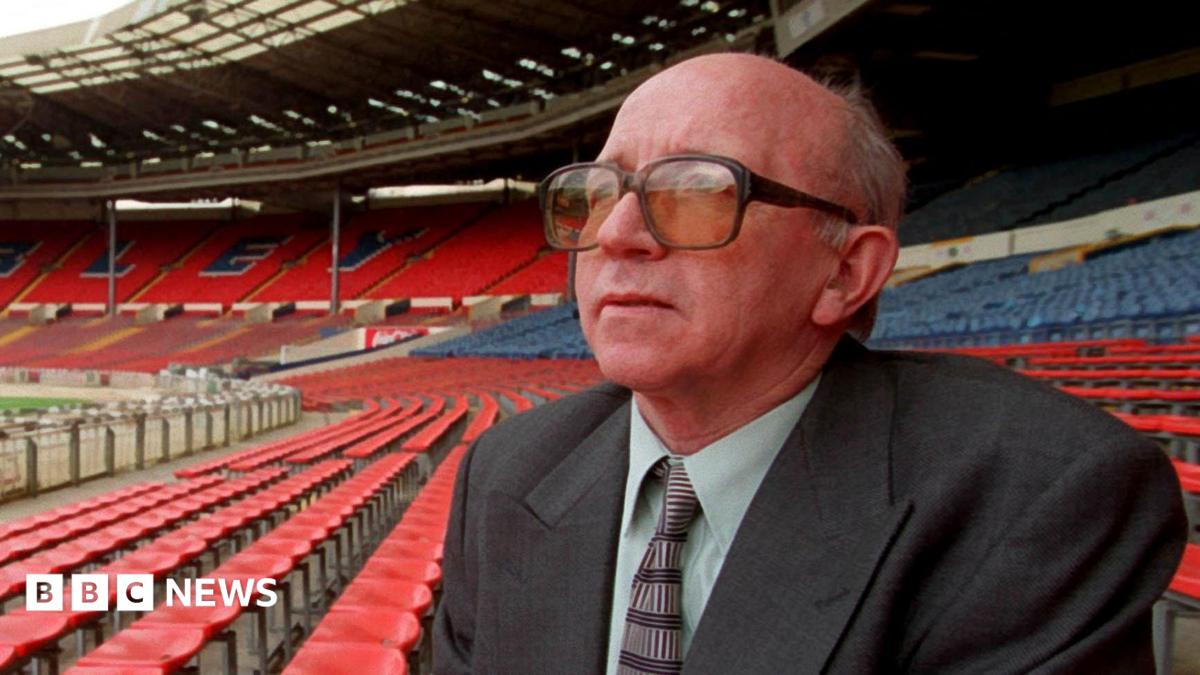
The inquest into the death of England World Cup winner Nobby Stiles has delivered a stark conclusion: a coroner has ruled that the brain condition he died with was caused by repeatedly heading a football. It is a finding that goes beyond one former player’s personal tragedy and lands squarely in the centre of football’s ongoing reckoning with head injuries, long-term neurological damage and the sport’s duty of care to its players.
A ruling with wider significance for football
Stiles is one of the most recognisable figures from England’s 1966 World Cup triumph, remembered as a fierce, tireless midfielder whose role was built on discipline, duels and relentless work. That legacy makes the coroner’s conclusion especially resonant. For supporters, it is a reminder that the game’s past was shaped by a culture in which repeated heading was treated as routine, even celebrated, rather than medically scrutinised.
The BBC report does not add broader detail about the inquest beyond the ruling itself, but the significance is clear. When a World Cup winner is formally linked to a brain condition caused by heading, it strengthens the pressure on football authorities to continue reviewing how the game manages head impacts at every level. That includes not only elite professionals, but also youth players, where the debate over training loads and heading practice has become increasingly important.
What it means for supporters and the sport
For England fans, Stiles remains part of the national football story, a player whose contribution to the 1966 success is woven into the country’s sporting identity. This ruling does not alter that legacy, but it does change the way his career is viewed in the modern era. What once looked like a symbol of toughness now sits within a much more serious conversation about the hidden cost of the sport.
Football has already been forced to confront the medical consequences of repeated head trauma, and this latest inquest finding will likely be read as another piece of evidence in that wider debate. It is not a transfer story in the conventional sense, but for a football audience it matters because it speaks to the game’s future: how it protects players, how it educates coaches, and how it balances tradition against player welfare.
For supporters, the emotional impact is twofold. There is the sadness of learning that a national hero’s death was linked to the demands of the game he helped define. And there is the uncomfortable recognition that football’s most familiar actions can carry long-term risks that were once ignored. The ruling ensures Stiles’ name will remain part of football history for reasons that extend well beyond medals and trophies.
Source note: This article was prepared using publicly available information from BBC Sport and expanded with editorial context.
Share this content: