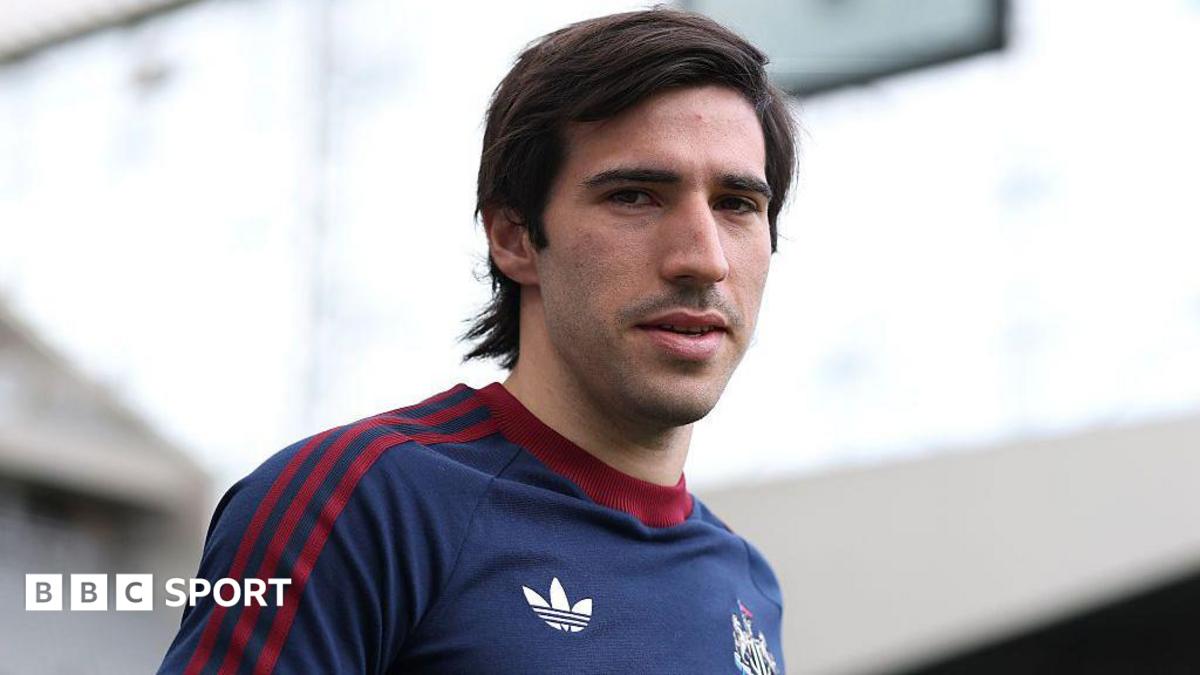
Newcastle United’s decision to reject a Tottenham Hotspur bid of about £80m for Sandro Tonali is a clear signal that the midfielder remains central to the club’s plans. In a market where elite central midfielders are among the hardest players to replace, turning down that kind of money suggests Newcastle see Tonali as more than a valuable asset: he is a structural piece of the team.
Why Tonali matters to Newcastle
Tonali’s importance is easy to understand from a squad-building perspective. Midfielders who can control tempo, press aggressively and move the ball cleanly between the lines are at a premium, and Newcastle have invested heavily in building a side capable of competing at the top end of the Premier League. Letting a player of Tonali’s profile go would create a tactical and recruitment problem at the same time.
For supporters, the rejection will likely be read as a statement of ambition. It indicates Newcastle are not prepared to weaken their core simply because a rival is willing to pay a premium. That matters in a squad still trying to establish consistency and identity after a period of rapid change.
What the bid says about Tottenham’s approach
Tottenham’s interest also tells its own story. A bid at this level suggests Spurs are looking for a midfielder who can raise the technical ceiling of the side, especially in possession and progression. Whether the move was designed as a genuine attempt or a probing opening offer, it shows Tottenham are willing to shop at the top of the market for players who can change the balance of a team.
From a footballing point of view, Tonali fits the modern profile of a midfielder who can help a side play through pressure, support transitions and add control in matches that become stretched. That kind of player is especially valuable for clubs aiming to compete across multiple fronts, where depth and quality in central areas often decide seasons.
For now, Newcastle’s stance leaves the situation unresolved, but the message is unmistakable: Tonali is not being treated as available. If Tottenham want to revisit the deal, they would likely need to return with something even more substantial, while Newcastle will be hoping the rejection ends the conversation before it becomes a distraction.
In transfer terms, this is the kind of move that can shape the rest of a window. A rejected bid of this size does not just affect two clubs; it also influences how other teams value their own midfielders and how aggressively they are willing to negotiate. For Newcastle, the priority is keeping a key player. For Tottenham, the challenge is deciding whether Tonali is worth pushing for again or whether the search should move elsewhere.
Source note: This article was prepared using publicly available information from BBC Sport and expanded with editorial context.
Share this content: