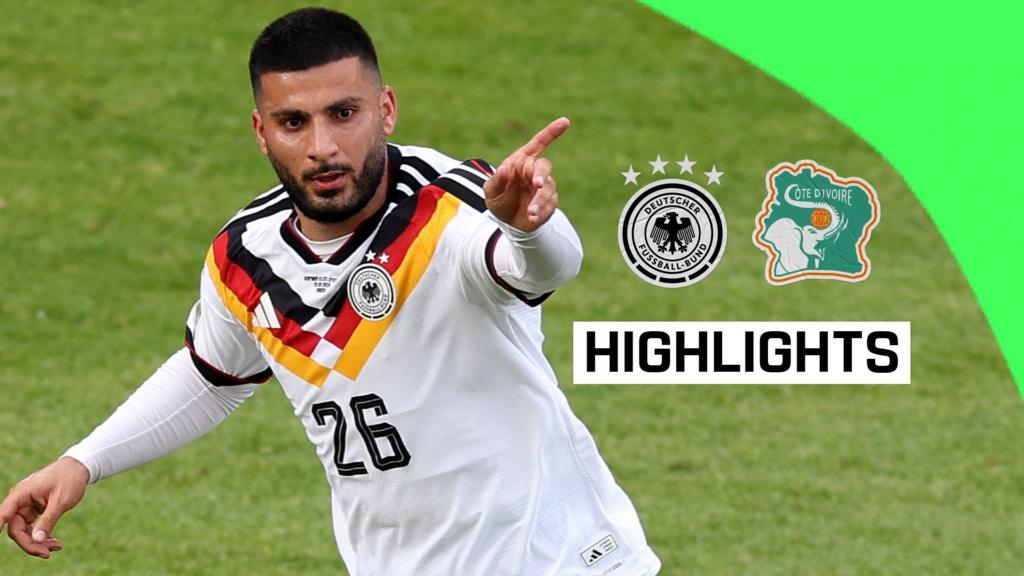
Germany’s place in the World Cup knockout stages is secured after Deniz Undav delivered the decisive response in a comeback win over Ivory Coast, scoring twice in the second half to turn the match around.
The result matters beyond the scoreline. For Germany, a side that is often judged by tournament standards rather than isolated performances, this was the kind of recovery that can reshape a campaign. Falling behind in a group-stage game can expose nerves and force a team to show more than technical quality; it demands control, patience and a clear attacking plan. Germany found that answer through Undav, whose finishing changed the direction of the contest.
Undav’s impact changes the tone of the campaign
Undav’s brace gives Germany a timely attacking reference point. In tournament football, a striker who can alter a game after the break is invaluable, especially when opponents are compact and the margins are tight. A second-half double suggests Germany were able to increase pressure, create better chances and sustain their attacking intent long enough to force a turnaround.
For supporters, the significance is straightforward: qualification is done, and the team now moves into the knockout rounds with momentum rather than uncertainty. That does not solve every issue, but it does reduce the pressure that builds when a heavy favourite is forced to chase a result. It also gives the coaching staff a useful example of resilience under stress, which can matter as much as fluency in the latter stages of a tournament.
What the comeback suggests tactically
Although the available source does not provide a full tactical breakdown, the shape of the result points to a Germany side that improved after the interval. Comebacks of this kind usually come from better territory in the final third, more aggressive support around the striker and a sharper tempo in possession. Undav’s two goals indicate that Germany were able to find him in more dangerous positions once the match opened up.
Ivory Coast, meanwhile, will be left to reflect on a lead that did not hold. Against a team with Germany’s depth and tournament experience, protecting a narrow advantage often requires near-perfect concentration. Once the equaliser arrives, the psychological balance can shift quickly, and that appears to have been the case here.
For Germany, the immediate takeaway is positive: they have advanced, they have shown they can respond under pressure, and they have a forward in Undav who can decide matches when it matters most. The next stage will ask for more consistency, but this comeback win gives them a platform and a confidence boost at exactly the right time.
Source note: This article was prepared using publicly available information from BBC Sport and expanded with editorial context.
Share this content: