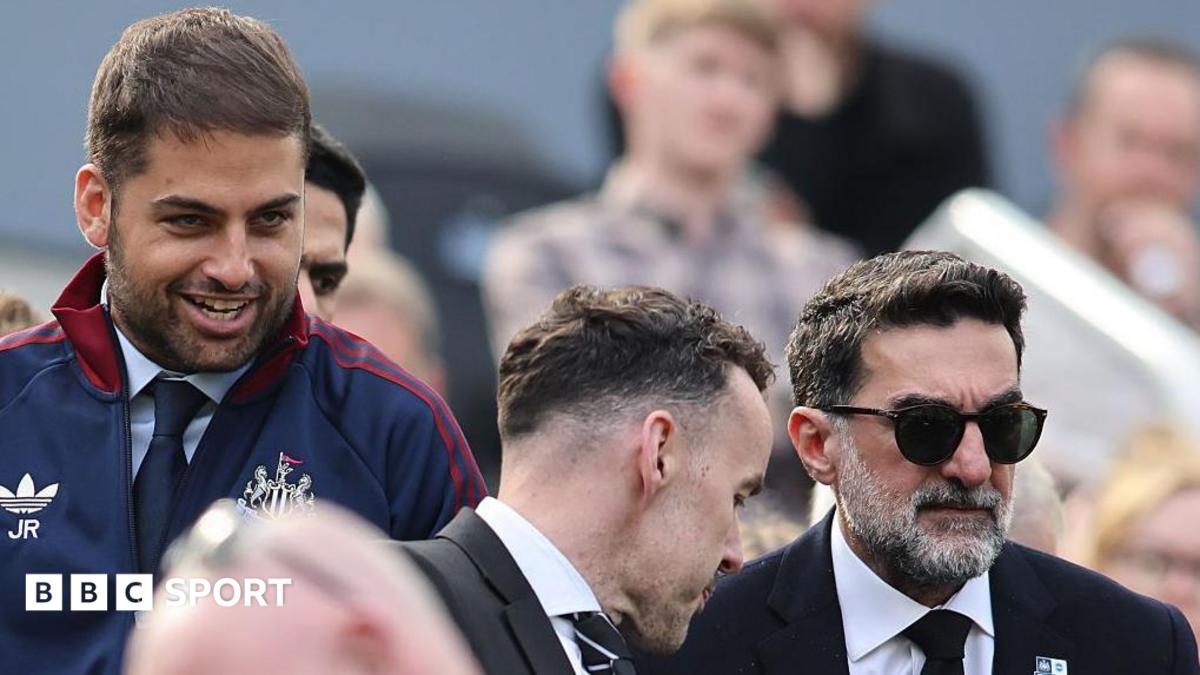
Newcastle United’s long-term ambition to establish themselves among the Premier League’s elite by 2030 remains a central talking point, but the latest BBC Sport framing suggests the club’s path is not as straightforward as the headline target implies. The discussion is not simply about where Newcastle want to be in five years’ time; it is about whether the club’s current recruitment and planning can keep pace with that ambition after a summer shaped by missed targets.
For supporters, that matters because Newcastle’s project has been sold as one built on steady progression rather than instant transformation. The club’s ownership and football structure have repeatedly signalled that the aim is to build sustainably, but the reality of modern elite recruitment is that one or two failed pursuits can alter the tone of an entire window. In that sense, the BBC’s focus on missed targets is significant: it points to the gap between strategic vision and the practical difficulty of landing the right players at the right time.
What the rebuild says about Newcastle’s next step
A summer rebuild is never judged only by the names that arrive. It is also measured by the players who were expected to come in, the positions that remain unresolved, and the extent to which the squad is still being shaped around the manager’s tactical needs. Newcastle’s challenge is therefore not just to spend, but to spend well enough to support a team that wants to compete higher up the table on a consistent basis.
That is especially relevant for a club trying to close the distance on the Premier League’s established top sides. The margin for error is small, and missed targets can have a knock-on effect on squad balance, depth and flexibility. If Newcastle are to move from ambitious challenger to genuine contender by 2030, their recruitment has to be more than reactive. It needs to be aligned with a clear football identity and a realistic understanding of market competition.
Why this matters for supporters
For fans, the bigger question is whether setbacks in one window should be read as a warning sign or simply part of the process. The BBC’s angle suggests there is still a wider story here: Newcastle are being measured not by isolated transfer disappointments, but by whether the club can keep its long-term plan intact when immediate targets are missed.
That makes the coming months important. A club with Newcastle’s resources and support base will always be judged against expectation, and the 2030 benchmark only raises the stakes. If the rebuild continues to stall, pressure will grow on the decision-makers to show that the project is still moving in the right direction. If they respond well, the setbacks may yet be seen as temporary obstacles rather than structural problems.
Either way, the BBC’s report underlines a familiar truth in elite football: long-term ambition is easy to announce, but much harder to deliver. For Newcastle, the next phase of the rebuild will reveal whether the club’s plan is built to withstand disappointment and still keep moving forward.
Source note: This article was prepared using publicly available information from BBC Sport and expanded with editorial context.
Share this content: