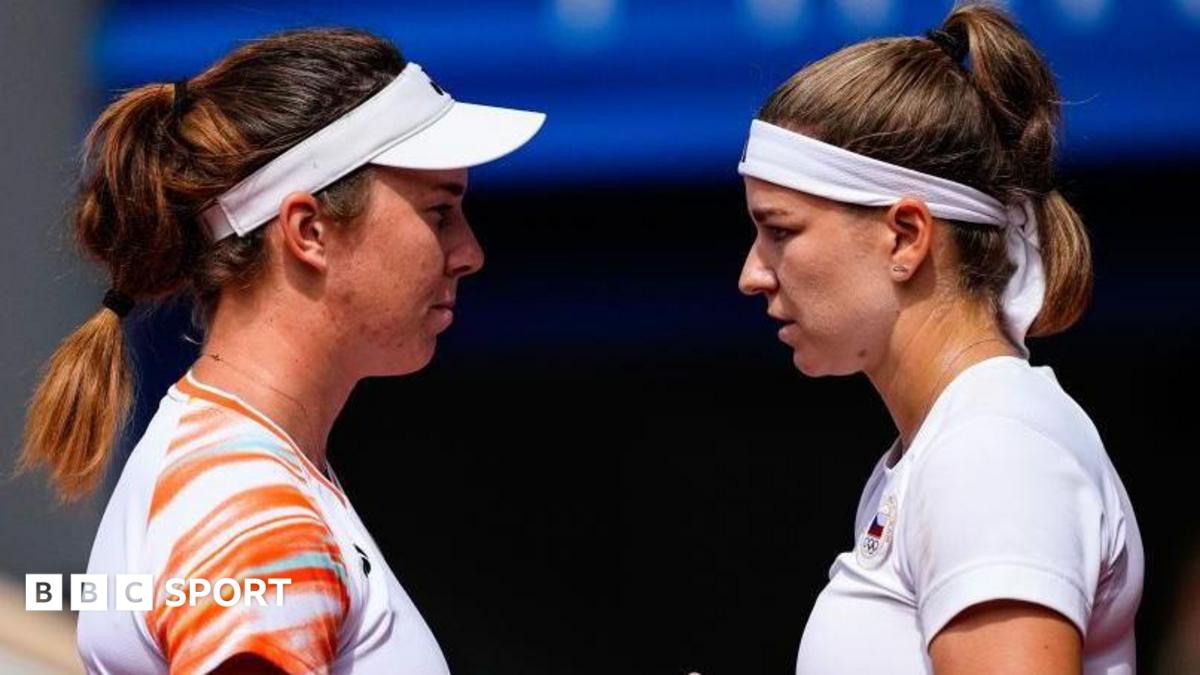
Linda Noskova and Karolina Muchova reaching an all-Czech women’s final at Wimbledon is more than a neat tournament storyline. It is another sign that Czech tennis remains one of the sport’s most reliable production lines, capable of turning out players who can handle the pressure, variety and physical demands of the biggest stages.
The BBC source does not spell out a single magic formula, and that is part of the point. Success at this level is rarely about one factor. For the Czech game, the strength appears to come from a long-running culture of technical development, competitive depth and a pathway that has repeatedly helped players translate junior promise into senior relevance. When two players from the same nation reach the final of a Grand Slam, it usually reflects a system that is doing several things well at once.
Why this matters beyond one final
For supporters of Czech tennis, the significance is obvious: this is not an isolated breakthrough, but evidence of a broader standard. Wimbledon is the most visible stage in the sport, and an all-Czech final instantly puts the country’s tennis structure under a brighter spotlight. It also strengthens the idea that Czech players can succeed on grass, a surface that often rewards adaptability, patience and tactical intelligence as much as raw power.
That matters because Grand Slam success can influence everything from public interest to funding, coaching attention and the next generation of players. When a nation keeps producing contenders, young athletes grow up seeing a realistic route to the top. In tennis, that kind of visibility can be as important as any single title.
What the matchup suggests tactically
An all-Czech final also hints at the diversity within the country’s player pool. Noskova and Muchova are not simply products of the same template; their presence in the final suggests different strengths can emerge from the same system. That variety is often a hallmark of strong tennis development, where players are taught to solve problems rather than rely on one-dimensional patterns.
For Wimbledon, the storyline is valuable because it adds a national identity layer to the final. For the players, it creates a rare situation in which the title will stay in one tennis culture regardless of the result. For the wider sport, it is a reminder that elite performance is not monopolised by the biggest federations. Smaller nations can still shape the biggest events when their development structures are healthy and their players are prepared for the demands of Grand Slam tennis.
The BBC’s framing of the story around the “secret” behind Czech success is fitting, even if there is no single answer. What the final does confirm is that Czech tennis is not an occasional surprise. It is a recurring force, and Wimbledon has once again become the stage where that reputation is reinforced.
Source note: This article was prepared using publicly available information from BBC Sport and expanded with editorial context.
Share this content: