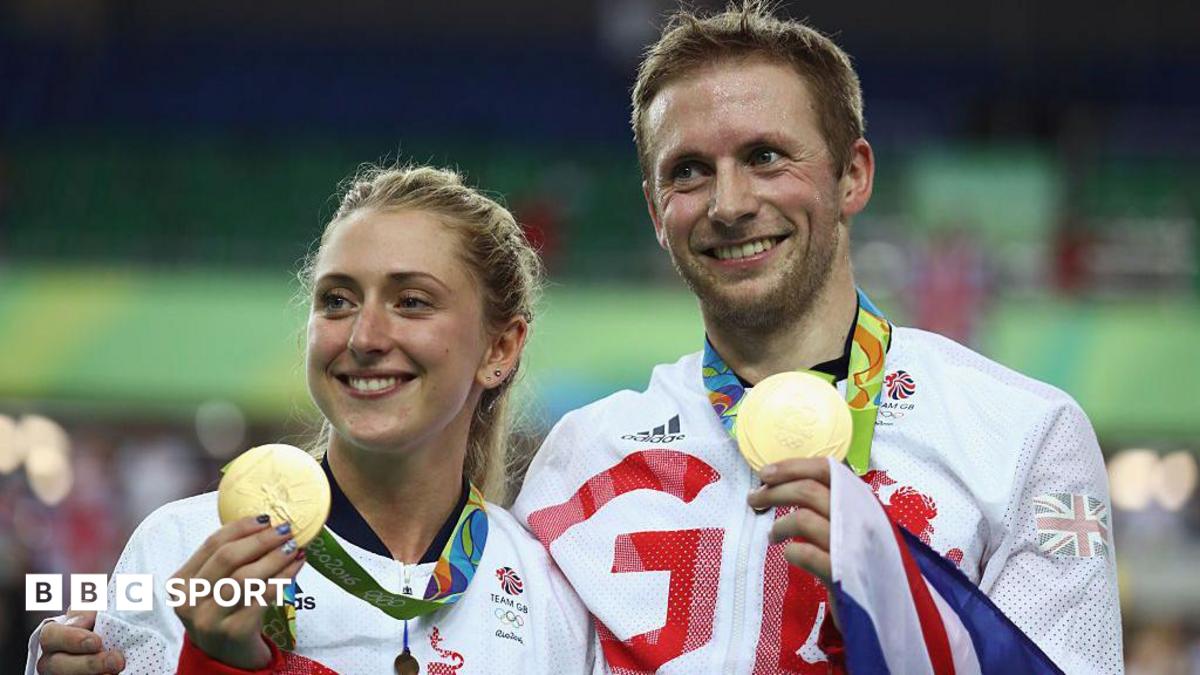
A fresh debate has opened around the UK’s long-term Olympic ambitions after a group of British Olympians and Paralympians publicly backed a proposed north of England bid to host the Games. Their support gives the idea a high-profile sporting endorsement at a time when questions over where Britain should stage future major events are becoming increasingly political as well as practical.
The central argument from the athletes is straightforward: the north of England, in their view, offers a sporting culture that could help make a bid feel distinctive and credible. Their claim that the region has “a passion for sport like no other place” is more than a slogan. It speaks to the wider case that major events are not only about stadiums and transport links, but also about public engagement, atmosphere and the ability to create a lasting legacy beyond the competition itself.
Why the north of England bid matters
For supporters of the proposal, the appeal is obvious. A northern bid would spread the spotlight beyond London and could be framed as a national project rather than a capital-centric one. That matters in modern hosting debates, where organisers are increasingly judged on regeneration, regional investment and the promise of wider social benefit. If a bid can connect elite sport with local pride and long-term community use, it becomes easier to sell both to the public and to decision-makers.
There is also a symbolic edge to the campaign. British sport has long relied on strong regional identities, and the north has produced generations of athletes, clubs and venues that have shaped the country’s sporting story. Backing from Olympians and Paralympians helps reinforce the idea that this is not just a political proposal, but one with support from people who understand the demands and opportunities of hosting at the highest level.
London’s warning adds a political layer
Not everyone is convinced that a northern-only approach is the right one. London Mayor Sir Sadiq Khan has criticised the government’s thinking, arguing that leaving the capital out would be “a missed opportunity”. His intervention highlights a familiar tension in UK sport policy: whether future bids should build on London’s established infrastructure and global recognition, or whether the next chapter should deliberately shift investment and attention elsewhere.
That tension is important for fans and taxpayers alike. Hosting the Games is never just about two weeks of competition; it is about what happens before and after, from venue planning to transport upgrades and the use of public money. Any bid that emerges will need to answer those questions clearly if it is to win broad support.
For now, the backing from British Olympic and Paralympic figures gives the north of England proposal momentum, but the political debate is only just beginning. The bigger question is whether the UK wants its next major Games bid to be built around tradition and concentration in London, or around a wider regional vision that aims to spread opportunity more evenly across the country.
Source note: This article was prepared using publicly available information from BBC Sport and expanded with editorial context.
Share this content: