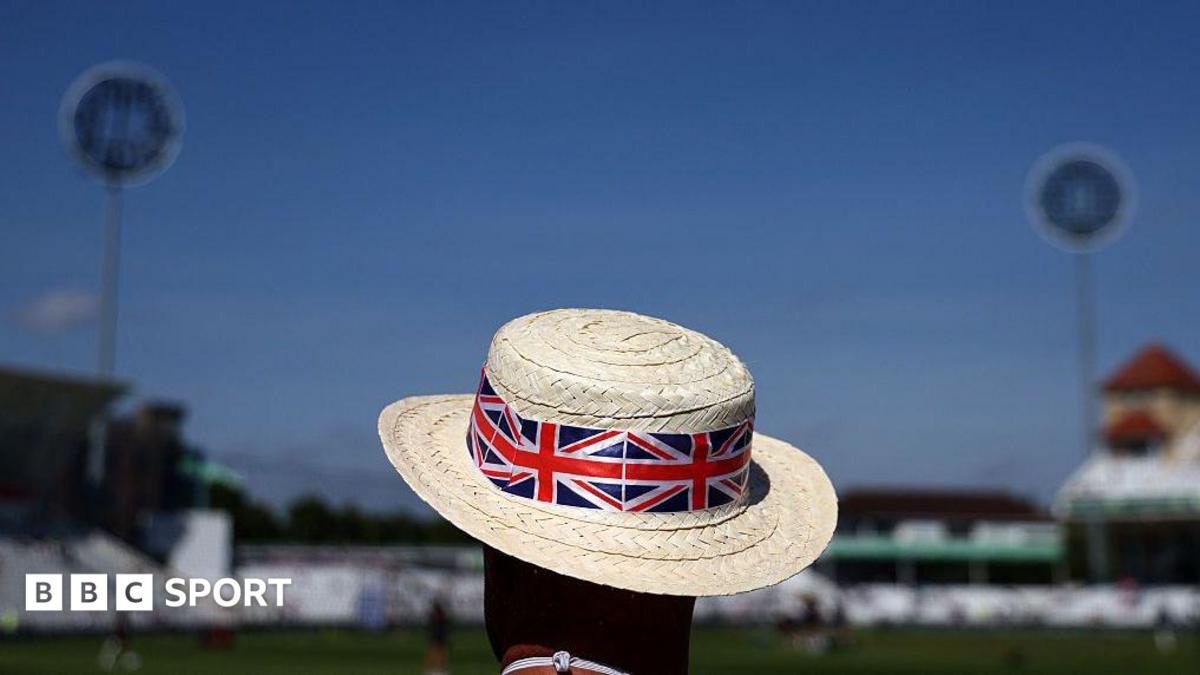
The UK is heading into a severe early-summer heatwave, and the sporting impact is likely to be felt well beyond the thermometer. BBC Sport reports that temperatures are expected to rise to levels that could break the June record, creating a practical challenge for athletes, organisers and supporters across the country.
For football, cricket and other outdoor sports, extreme heat is not just a comfort issue. It affects performance, recovery and match-day planning. Players are asked to sustain intensity in conditions that can quickly drain energy, while coaches and medical staff have to balance competitive demands with player welfare. For supporters, the same weather can turn a routine trip to the ground into a far more demanding experience, especially for those travelling long distances or sitting in exposed stands.
Why extreme heat matters in sport
Heat can alter the rhythm of a match. Teams that rely on pressing, repeated sprints or high-tempo transitions may find it harder to maintain their usual style if the conditions are oppressive. That can lead to more controlled possession phases, slower restarts and a greater emphasis on game management. In practical terms, the weather can become a tactical factor rather than just an environmental one.
There is also a wider scheduling question. Summer sport in Britain already has to account for variable conditions, but a heatwave of this scale raises fresh concerns about hydration breaks, pitch management and the timing of fixtures. Even when matches go ahead as planned, the burden on players and match-going fans increases, and that can influence the atmosphere inside stadiums and venues.
What it means for supporters
For fans, the immediate issue is safety and comfort. Long queues, direct sun and limited shade can make attendance more difficult, particularly for families, older supporters and anyone with health concerns. Clubs and event organisers may need to communicate clearly about water access, travel advice and any local adjustments that help reduce risk.
The broader significance is that this is no longer a one-off weather story. As British sport continues through the summer, extreme heat is becoming a factor that clubs, governing bodies and broadcasters may need to plan for more regularly. The BBC Sport report underlines how quickly a heatwave can move from a weather headline to a sporting issue with real consequences for performance and the match-day experience.
For now, the focus will be on how venues respond and whether the hottest days force any changes to normal routines. Even without a dramatic fixture disruption, the conditions alone are enough to shape how sport is played and watched across the UK in the coming days.
Source note: This article was prepared using publicly available information from BBC Sport and expanded with editorial context.
Share this content: