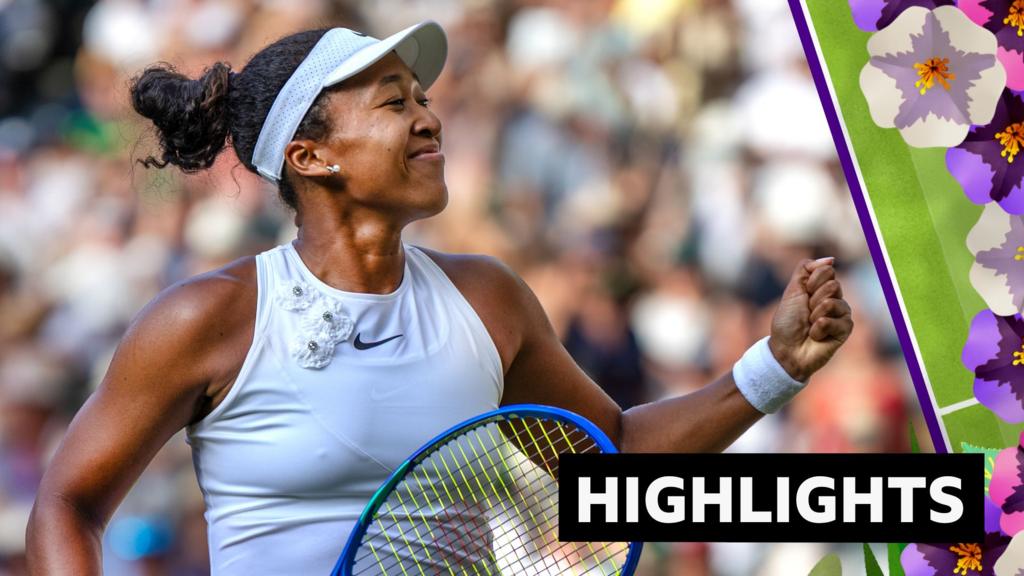
Naomi Osaka produced one of the standout results of Wimbledon 2026 by defeating world number one Aryna Sabalenka in straight sets to reach the quarter-finals. In a tournament where the top seed is usually expected to set the pace, Osaka’s win immediately changes the shape of the women’s draw and adds fresh intrigue to the closing stages at the All England Club.
The result matters not only because of Sabalenka’s ranking, but because of the manner of the victory. Straight-sets wins over the world number one are rare at this stage of a major, and they often signal more than just a good day at the office. For Osaka, it is another reminder of her ability to rise to the biggest occasions and manage the pressure that comes with facing elite opposition on one of tennis’s most scrutinised courts.
What the result means for the draw
Sabalenka’s exit removes one of the tournament favourites and opens the door for the remaining contenders. At Wimbledon, where grass-court margins are already thin, the loss of a top seed can alter the tactical landscape for everyone left in the field. Players who may have expected to meet Sabalenka deeper in the tournament must now reassess their route to the final, while Osaka’s section of the draw suddenly carries far greater weight.
For supporters, this is the kind of result that gives a Grand Slam its drama. Wimbledon often rewards players who can combine first-strike tennis with composure under pressure, and Osaka’s victory suggests she found the balance needed to control the match against a powerful opponent. Even without the full statistical detail, the headline outcome alone tells a clear story: Osaka was the sharper, more effective player when it mattered most.
Osaka’s return to the spotlight
Osaka reaching the quarter-finals at Wimbledon also carries broader significance. Any deep run at a major is important, but beating the world number one raises the level of attention considerably. It places her back in the centre of the conversation around the women’s title race and reinforces the idea that she remains a major threat when her game is clicking.
For Sabalenka, the defeat will be a disappointment, but it is also a reminder of how unforgiving Grand Slam tennis can be. Top ranking brings expectation, and at Wimbledon those expectations are magnified by the surface, the occasion and the depth of the field. Osaka took advantage of that opening and did so in decisive fashion.
With the quarter-finals now ahead, the story shifts from upset to opportunity. Osaka has already delivered the result of the round; the next question is whether she can turn it into a genuine title challenge.
Source note: This article was prepared using publicly available information from BBC Sport and expanded with editorial context.
Share this content: