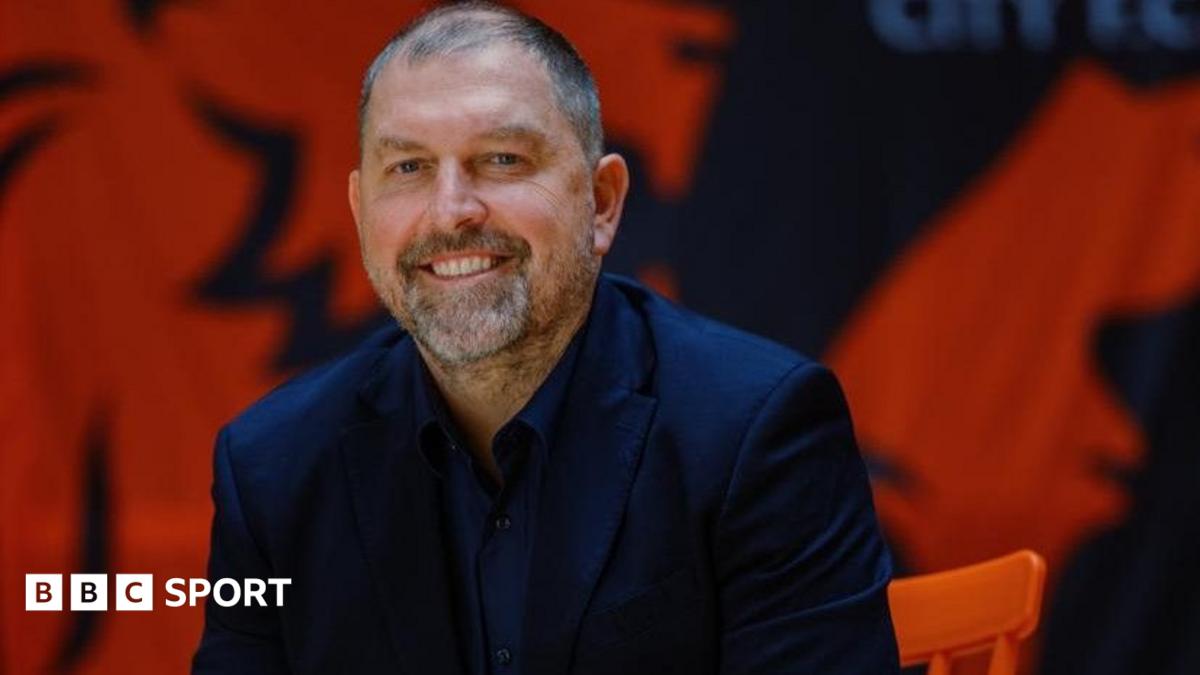
Salford City’s decision to hand Peter Cklamovski a long-term contract is a notable statement about the direction the club wants to take. This is not the kind of appointment that usually arrives with the noise of a headline-grabbing name or a simple short-term fix. Instead, it points to a more deliberate footballing plan: one shaped by process, analysis and a clear belief that coaching detail can be turned into competitive advantage.
The BBC’s reporting makes clear that the roots of the move go back to Japan, where Cklamovski’s work eight years ago helped establish the profile that has now brought him to Salford. That background matters. In modern football, clubs increasingly look beyond reputation alone and focus on how a coach builds structure, manages players and uses information to improve performance. Cklamovski’s path fits that trend.
A coach shaped by structure and data
The reference to working with Ange Postecoglou is especially relevant for supporters trying to understand what kind of manager Salford may have hired. Postecoglou’s coaching tree is often associated with intensity, clear principles and a commitment to proactive football. A coach influenced by that environment is likely to value organisation, repetition on the training ground and a strong identity in and out of possession.
That does not automatically guarantee success, of course. Salford’s challenge will be to turn a promising coaching profile into results that hold up over a full season. But the appointment suggests the club is looking for more than short-term momentum. A long-term contract gives Cklamovski time to implement ideas, which is often essential when a manager is expected to change habits rather than simply maintain them.
What it could mean for Salford City
For Salford supporters, the key question is whether this move can translate into consistency. Clubs that make data-informed appointments often hope to gain an edge in recruitment, preparation and tactical clarity. If Cklamovski can align those areas, Salford may benefit from a more coherent style and a clearer pathway from planning to performance.
There is also a broader significance to the appointment. Salford have chosen a manager whose background suggests adaptability and modern methods, rather than one selected purely on familiarity. In a competitive environment, that can be a smart way to differentiate a club, especially if the board believes the squad can respond to a more structured approach.
Still, the success of the move will depend on execution. Data can inform decisions, but it cannot replace results. The early months will matter: how quickly the players buy into the ideas, whether the team’s shape improves, and whether the club can show that this was a considered football decision rather than a surprise for its own sake.
For now, the appointment reads as an ambitious bet on coaching quality, modern analysis and a manager whose career has been shaped by high-level environments. That is enough to make Salford’s next chapter one worth watching closely.
Source note: This article was prepared using publicly available information from BBC Sport and expanded with editorial context.
Share this content: