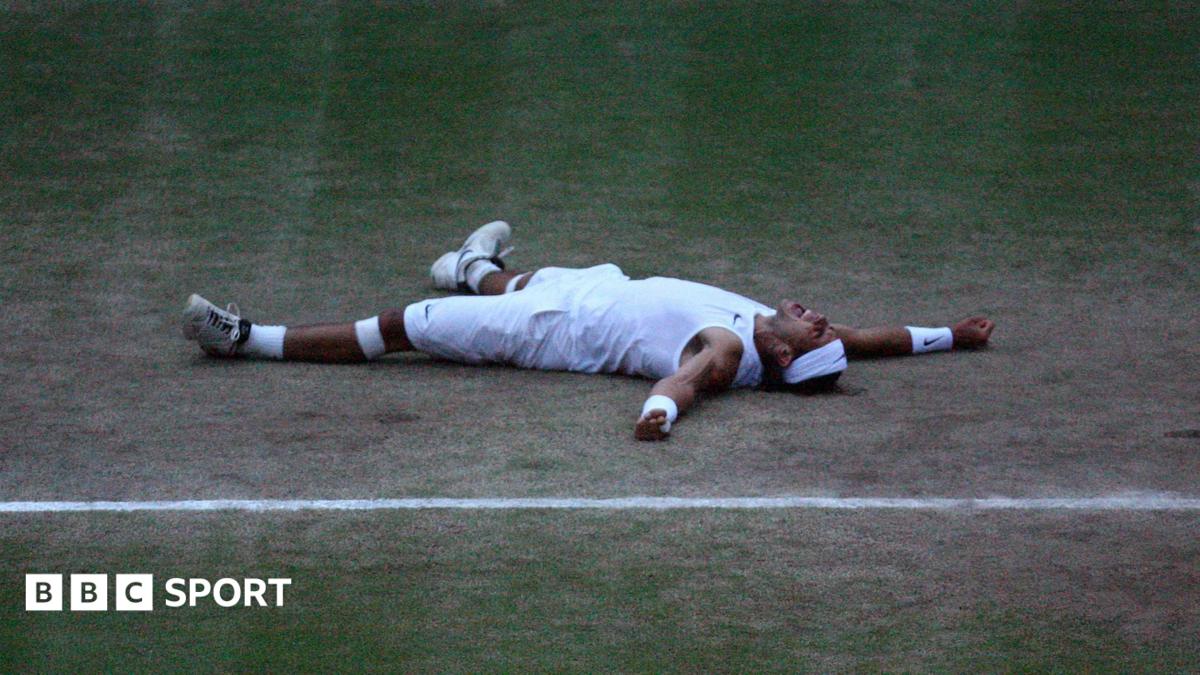
Rafael Nadal’s reflection on his 2008 Wimbledon triumph over Roger Federer is a reminder of how one match can reshape a sport’s history. The final is still spoken about in near-mythic terms, not simply because of the result, but because of the tension, the level of tennis and the sense that every point carried lasting consequences for both men.
For Nadal, that victory marked a breakthrough on grass at the sport’s most prestigious tournament. For Federer, it was a painful near-miss in a rivalry that already carried enormous weight. The match’s reputation has only grown over time because it combined elite shot-making with a narrative that extended beyond the scoreboard: the established Wimbledon champion against the challenger who was rapidly becoming his greatest rival.
A final that changed the conversation around greatness
The 2008 men’s singles final remains one of the clearest examples of how a single contest can define an era. BBC Sport described it as arguably the greatest men’s match ever played, and that assessment is rooted in more than nostalgia. The match stretched to nearly seven hours, with darkness falling over Centre Court before it finally ended. That alone speaks to the physical and mental demands placed on both players.
In modern tennis, where margins are often tiny, the match stands out as a case study in resilience. Nadal’s win was not just another title; it altered the balance of the rivalry and strengthened his standing on a surface that had long been associated with Federer’s dominance. For supporters, it remains one of those rare occasions when the sport felt larger than the tournament itself.
Why the 2008 final still matters for Wimbledon and the rivalry
Wimbledon has always been built on tradition, but finals like this are what keep its legacy alive for new generations of fans. The 2008 showdown is still referenced whenever the tournament’s greatest moments are discussed, because it delivered drama, quality and historical significance in equal measure. It also helped define the Nadal-Federer rivalry as one of the central sporting duels of the 21st century.
Nadal’s comments, as reported by BBC Sport, underline how even the players involved continue to view that afternoon with disbelief. “I never imagined something like this” is a fitting reaction to a final that seemed to keep escalating until the very end. For tennis followers, the match remains a benchmark for what a grand final can be: technically brilliant, emotionally draining and impossible to forget.
More than a decade later, the 2008 Wimbledon final still carries relevance because it represents the kind of sporting occasion that transcends one result. It is remembered not only for who won, but for how it was won, and for the way it changed the story of both Nadal and Federer at the highest level.
Source note: This article was prepared using publicly available information from BBC Sport and expanded with editorial context.
Share this content: