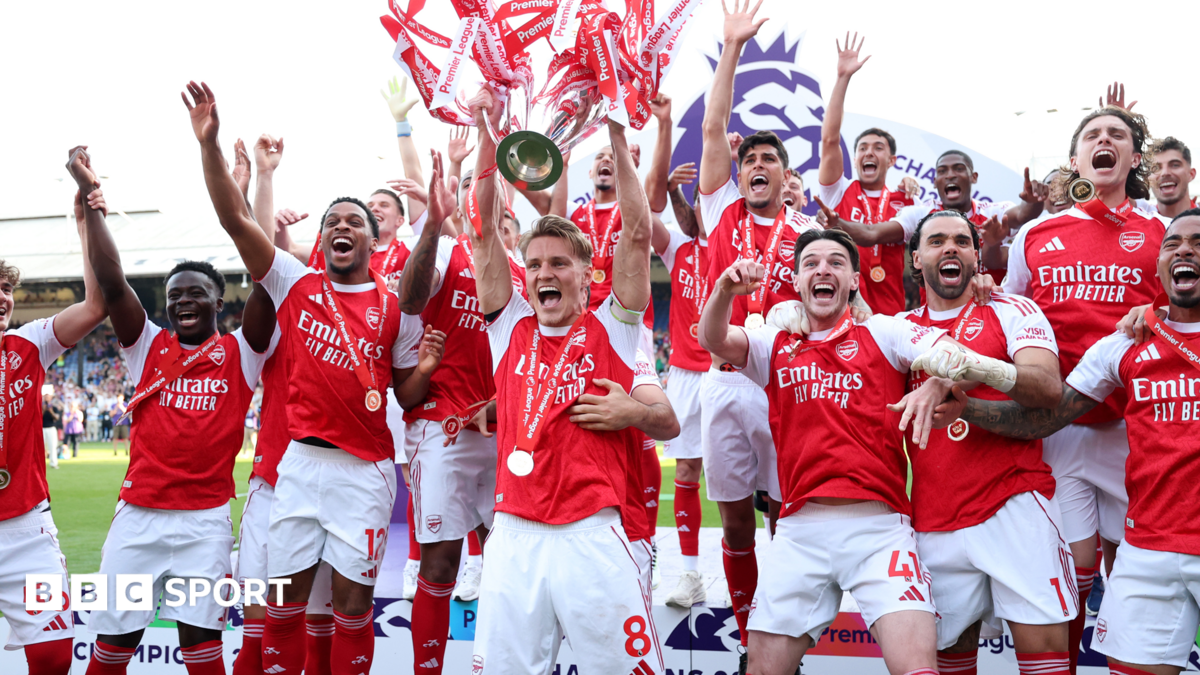
The Premier League’s 2026-27 fixture list will be released on Friday at 10:00 BST, marking one of the first major calendar moments for clubs and supporters ahead of the new campaign. While the announcement itself is routine, it carries real significance: fixture release day shapes travel plans, ticket demand, commercial planning and, in football terms, the early narrative around who faces a demanding start and who may have a more manageable opening run.
Why fixture release day matters
For supporters, the schedule drop is more than a date on a calendar. It is the point at which away-day planning begins in earnest, especially for fans who need to organise transport, accommodation and time away from work. For clubs, the list helps frame pre-season preparation, from training loads to commercial commitments and the logistics of international travel for summer tours or warm-weather camps.
There is also a tactical and competitive angle. The opening weeks of a Premier League season can influence momentum, especially for teams with new managers, major summer signings or a difficult run of matches against established rivals. A favourable start can settle a squad quickly, while a tough opening stretch can increase pressure before the campaign has properly settled. That is why fixture release day is followed so closely by analysts, coaches and fans alike.
What supporters will be looking for
Once the fixtures are published, attention will immediately turn to the headline dates: opening weekend, festive period matches, local derbies and the final-day schedule. Supporters of every club will scan for the games that define a season, whether that means a first home match, a long away trip, or a derby that could carry extra weight in the table and in the stands.
For clubs with European ambitions, the calendar can also have a practical impact on squad management. A congested run of fixtures can force rotation and test depth, while a lighter sequence may allow a manager to build rhythm and confidence. Even before a ball is kicked, the fixture list can hint at the kind of season a club might face.
The BBC report does not go beyond the release time, but the announcement alone is enough to trigger the familiar wave of anticipation across the league. For many fans, the fixture list is the first real sign that a new Premier League season is taking shape.
Early implications for the 2026-27 season
Although the schedule itself is not yet known, the release will quickly become a reference point for discussion around title races, European qualification battles and relegation pressure. In modern football, the fixture list is not just administrative detail; it is part of the competitive story. The order of matches can affect confidence, recovery and momentum, especially in a league where margins are often small.
Friday’s publication will therefore be watched closely across the division. For supporters, it is the moment when the season becomes tangible. For clubs, it is the start of detailed planning. And for analysts, it is the first chance to assess where the early pressure points may lie in the 2026-27 Premier League campaign.
Source note: This article was prepared using publicly available information from BBC Sport and expanded with editorial context.
Share this content: