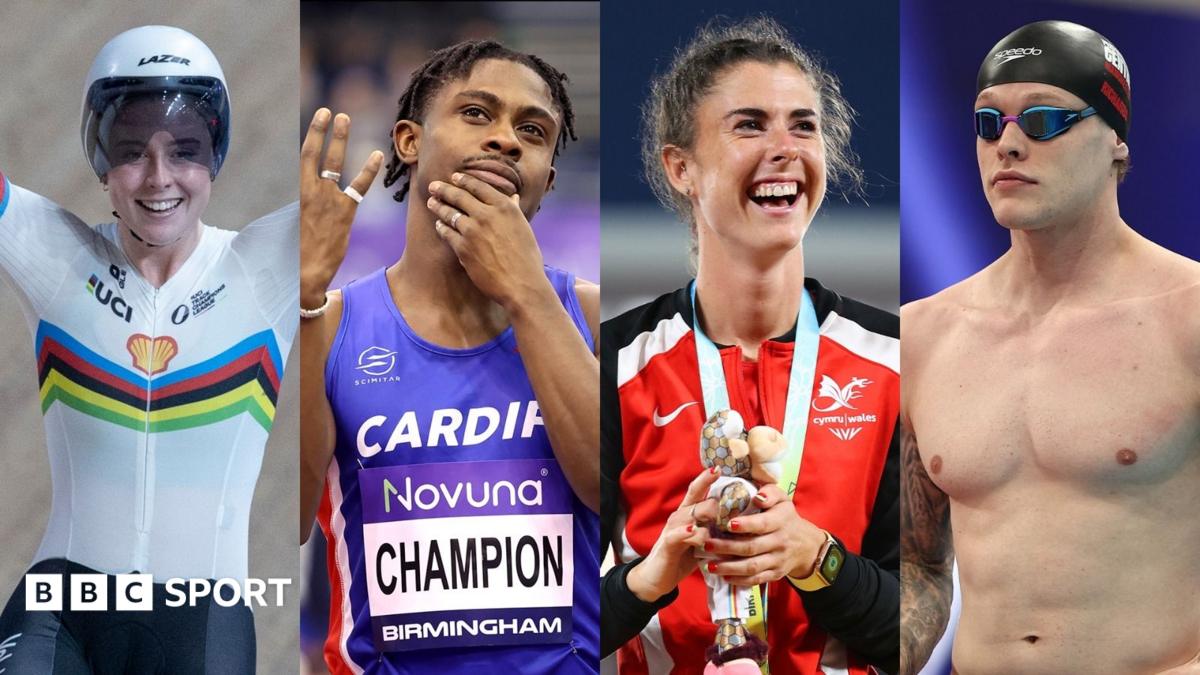
Team Wales has turned to some of its biggest names for the Glasgow Commonwealth Games, with Olympic champions Emma Finucane and Matt Richards among the headline selections for the event scheduled from 23 July to 2 August. The squad also includes former world indoor champion Jeremiah Azu and Paralympic sprinter Olivia Breen, underlining the breadth of Welsh talent set to be on show in Scotland.
For supporters, the announcement is significant not just because of the calibre of the athletes involved, but because it signals Wales’ ambition to compete strongly across multiple disciplines. In a multi-sport event where momentum and medal potential can shift quickly, the presence of proven international performers gives Team Wales a stronger platform and a clearer identity going into the summer.
Elite experience at the heart of the squad
Finucane and Richards bring the kind of championship pedigree that can lift a team environment. Their inclusion suggests Wales will lean on athletes who already understand the demands of major finals, pressure moments and the expectations that come with representing their nation on a big stage. That matters in Commonwealth competition, where depth is important but star quality often defines the public narrative.
Azu’s selection adds further speed and explosiveness to the Welsh contingent, while Breen remains one of the most recognisable figures in Welsh para-athletics. Their presence broadens the story beyond medals alone: it is also about visibility, representation and the continued strength of Welsh athletics across both Olympic and Paralympic pathways.
Weightlifting adds depth to Wales’ medal hopes
Team Wales has also named six weightlifters: Catrin Haf Jones, Chloe Hood, James Wales, Laura Hughes, Madaline Connelly and Nikole Roberts. That group gives the squad additional depth in a discipline where consistency and composure are crucial. Weightlifting may not always dominate headlines, but it can be an important source of results for smaller nations looking to build a balanced medal profile.
From a tactical perspective, the value of this squad lies in its mix of established names and event-specific strength. For Wales, the challenge will be turning individual quality into collective success across the full competition window. For fans, the selection offers a reason to follow the Games closely: there is genuine medal potential, but also the chance to see Welsh athletes perform on one of the sport’s most visible stages.
With the Games still ahead, this is the kind of squad announcement that sets expectations early. Wales has not simply filled places; it has named athletes capable of shaping the story of the competition.
Source note: This article was prepared using publicly available information from BBC Sport and expanded with editorial context.
Share this content: