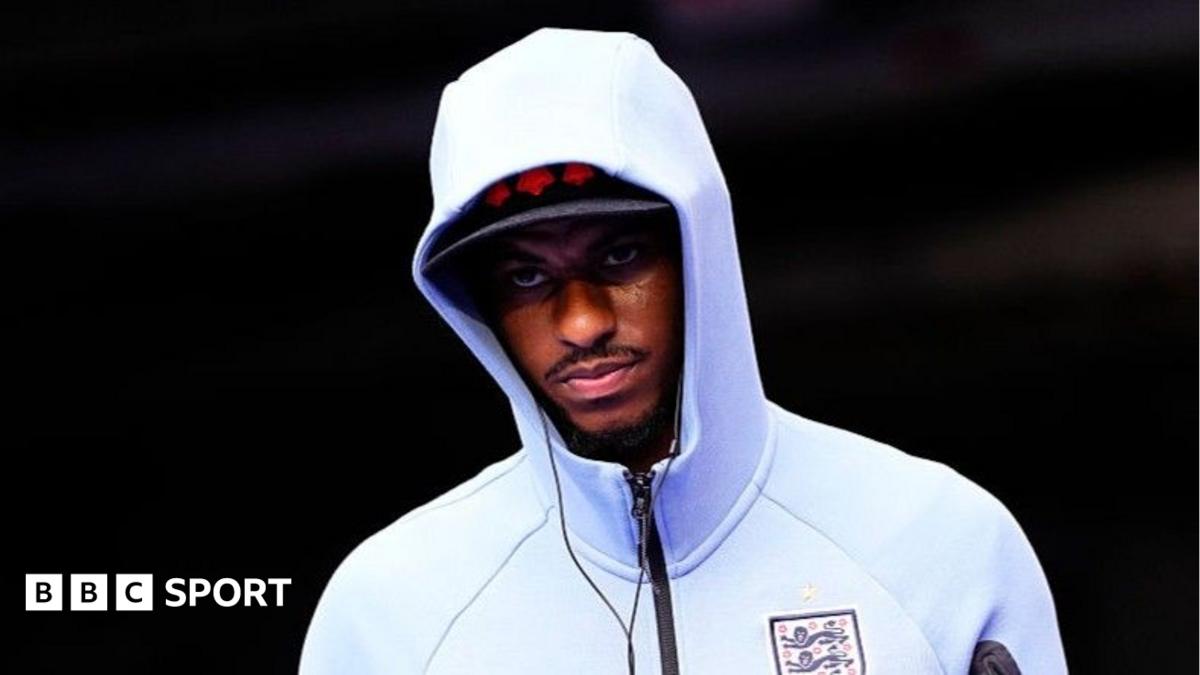
Marcus Rashford’s future is once again under the spotlight, and the timing matters. At 28, the Manchester United forward is no longer a developing talent or a player with unlimited runway. He is at the stage of his career where every major decision carries immediate footballing consequences, both for his club and for his own standing in the game.
The BBC’s framing of the story is clear: this is a “stay or go” moment for Rashford at Manchester United. That alone tells you how significant the discussion has become. For supporters, the question is not simply whether a homegrown star remains at Old Trafford, but whether United can still build around a player whose reputation has been shaped by flashes of elite quality, periods of inconsistency, and constant scrutiny.
England moment puts Rashford back in focus
The source links the discussion to Rashford’s World Cup experience and to England’s dramatic 6-4 third-place play-off win over France in Miami. Rashford’s social media post after that match was described as considered and thoughtful, which is notable because it suggests a player reflecting carefully on where he stands rather than reacting emotionally. In modern football, those public moments matter: they often shape how fans interpret a player’s mindset, professionalism and readiness for the next step.
For Manchester United, Rashford’s situation is also tactical. When he is at his best, he offers direct running, pace in behind and a threat from the left side that can stretch defensive lines. That profile remains valuable in a team that often needs vertical attacking options. But the broader issue is whether United can consistently get the version of Rashford that changes matches, rather than the one who drifts in and out of influence.
What it means for Manchester United supporters
Supporters will read this as more than a transfer rumour. Rashford is one of the most recognisable figures associated with the club, and any decision over his future carries emotional weight as well as sporting value. If he stays, United must find a way to maximise his strengths and give him a role that suits his best attributes. If he goes, the club would be losing a player whose connection to the badge has always mattered to the fanbase, even when form has been uneven.
There is also a wider squad-building implication. Big decisions around senior attackers often signal the direction of a club’s next phase. For United, the Rashford question is part of a larger conversation about identity, consistency and whether the current project can still unlock the best from established names. For Rashford, it is about whether the next chapter is written at Old Trafford or elsewhere.
What is already clear is that this is not a routine summer talking point. Rashford’s age, profile and importance to Manchester United make the situation one of the club’s most consequential personnel calls.
Source note: This article was prepared using publicly available information from BBC Sport and expanded with editorial context.
Share this content: