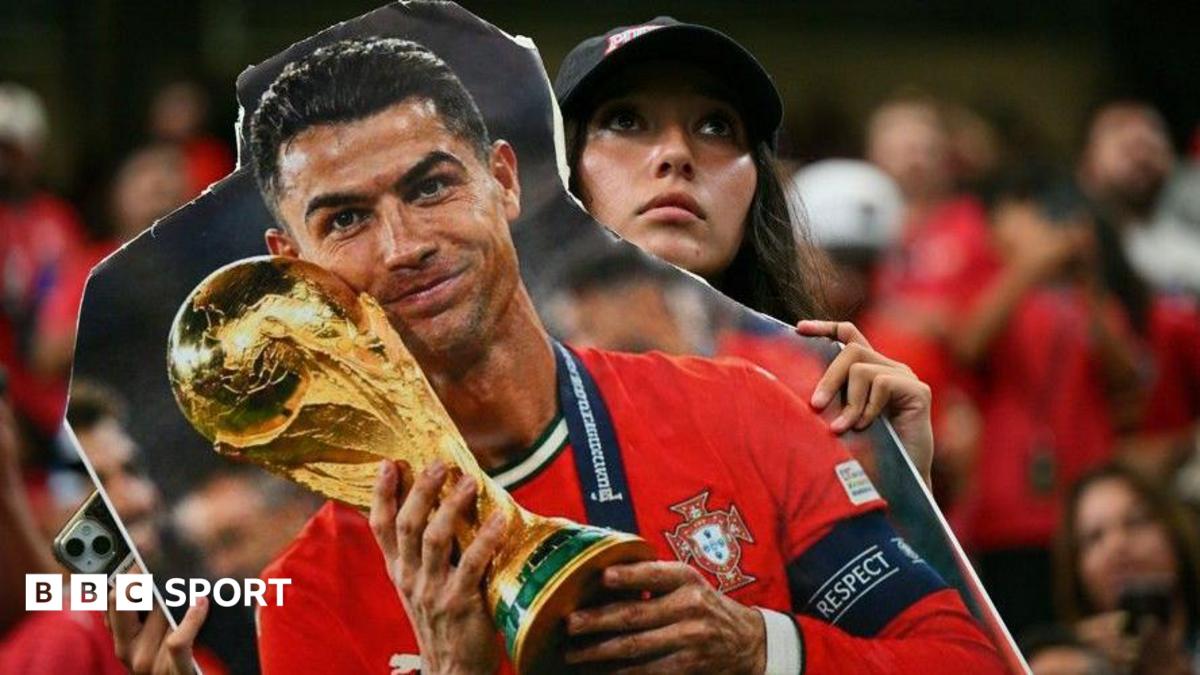
The latest BBC discussion around Cristiano Ronaldo is less about nostalgia and more about a familiar modern football question: how long can an all-time great remain central to a team built for the present? The headline itself frames the issue sharply, asking whether Ronaldo should start, while the source makes clear that the Portugal captain is openly aware of the physical and tactical realities that come with age.
Ronaldo’s own admission that he is “not the player I used to be” matters because it shifts the conversation away from reputation and toward function. For a player whose career has been defined by relentless output, elite movement and decisive finishing, any change in role has consequences not just for him, but for the structure around him. That is especially true for Portugal, where selection decisions are never just about one name on the teamsheet; they affect pressing intensity, attacking spacing and how the side balances experience with mobility.
What the Ronaldo debate means for Portugal
For supporters, this is the kind of debate that divides generations. Ronaldo remains one of the most recognisable figures in world football, and his presence still carries emotional and commercial weight. But international football is unforgiving, and teams at the top level often need forwards who can contribute in multiple phases of play. If Portugal want to control territory, press aggressively and attack with pace, the question becomes whether Ronaldo’s role should be reduced, managed or retained as a starter depending on the opponent.
That does not diminish what he has done. The source’s reference to him entertaining the world is a reminder of the scale of his legacy. Few players have shaped the modern game’s attention economy like Ronaldo, and few have remained relevant across so many cycles of tactical change. Yet the same longevity that makes his career remarkable also ensures that every appearance is now judged through a different lens: not whether he is still great, but whether he is still the best fit.
Selection, legacy and the tactical reality
From an editorial standpoint, the story is compelling because it sits at the intersection of opinion and football logic. Managers at international level must decide whether to lean on a veteran’s finishing and leadership or prioritise younger legs that can sustain tempo over 90 minutes. That tension is what keeps Ronaldo debates alive, and why they continue to resonate far beyond Portugal.
For fans, the emotional answer and the tactical answer are not always the same. Some will argue that a player of Ronaldo’s stature deserves to start until he decides otherwise. Others will say elite teams cannot afford sentiment. The BBC piece lands in that space between admiration and realism, and that is why it remains such a powerful football conversation.
Source note: This article was prepared using publicly available information from BBC Sport and expanded with editorial context.
Share this content: