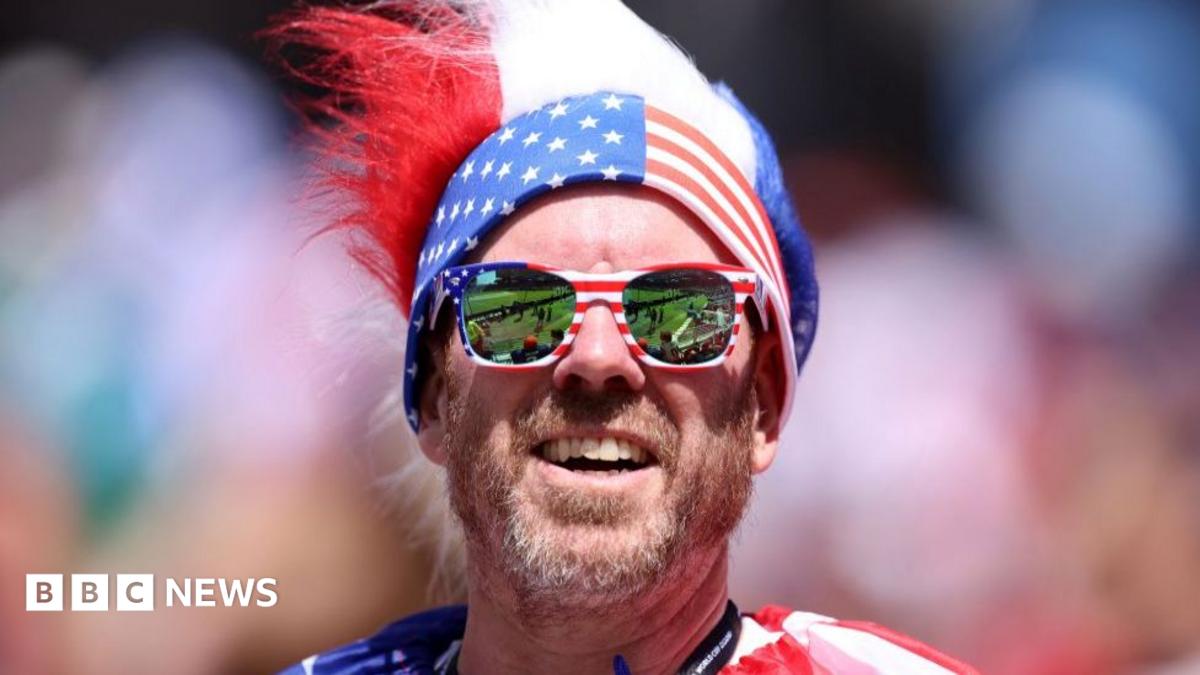
Football has long been a sport of slow-burning cultural change in the United States rather than instant conversion. That is why the BBC’s question — whether this is a breakthrough moment for soccer in the US — matters beyond a single headline. It points to a broader debate about whether the game is finally moving from niche growth to something closer to mainstream sporting identity.
The source material is deliberately broad, but the framing is important. In many countries, football is inherited through generations, embedded in local identity and reinforced by decades of habit. The US has followed a different path. Its sporting hierarchy has traditionally been shaped by American football, basketball, baseball and, in many regions, hockey. Soccer has had to build its audience in a crowded market, often relying on youth participation, immigrant communities, international tournaments and the visibility of elite global stars to expand its reach.
Why this moment feels different
What makes the current conversation notable is not simply that interest exists, but that it is being discussed in terms of a breakthrough. That suggests a possible shift in scale: from a sport followed by dedicated fans to one that is increasingly part of the wider national conversation. For supporters, that can mean more than television numbers. It can translate into stronger matchday culture, more commercial investment, better pathways for young players and a higher baseline of attention around the national team and domestic leagues.
World Cup cycles have often acted as accelerators for soccer in the US. They create a rare period when casual viewers, new fans and long-time followers all focus on the same competition. The challenge has always been whether that attention lasts once the tournament ends. The real test of a breakthrough moment is not temporary excitement, but whether it changes habits: attendance, media coverage, youth participation and the way the sport is discussed in everyday life.
What it means for supporters and the game
For American fans, the significance is partly emotional and partly practical. A stronger soccer culture can make following the game feel less isolated and more communal. It can also raise expectations around infrastructure, coaching standards and the visibility of domestic talent. If the sport is truly entering a new phase in the US, then the implications reach well beyond one tournament or one generation of players.
At the same time, caution is necessary. The source does not provide hard evidence of a definitive turning point, and that is why the story works best as analysis rather than a declaration. The question itself is the story: whether the US is approaching the kind of sustained football culture seen in countries where the game has been central for decades.
For now, the most accurate reading is that soccer in the US remains in transition. The conversation is more serious, the audience is broader and the stakes are higher. Whether that becomes a true breakthrough will depend on what happens after the headlines fade.
Source note: This article was prepared using publicly available information from BBC Sport and expanded with editorial context.
Share this content: