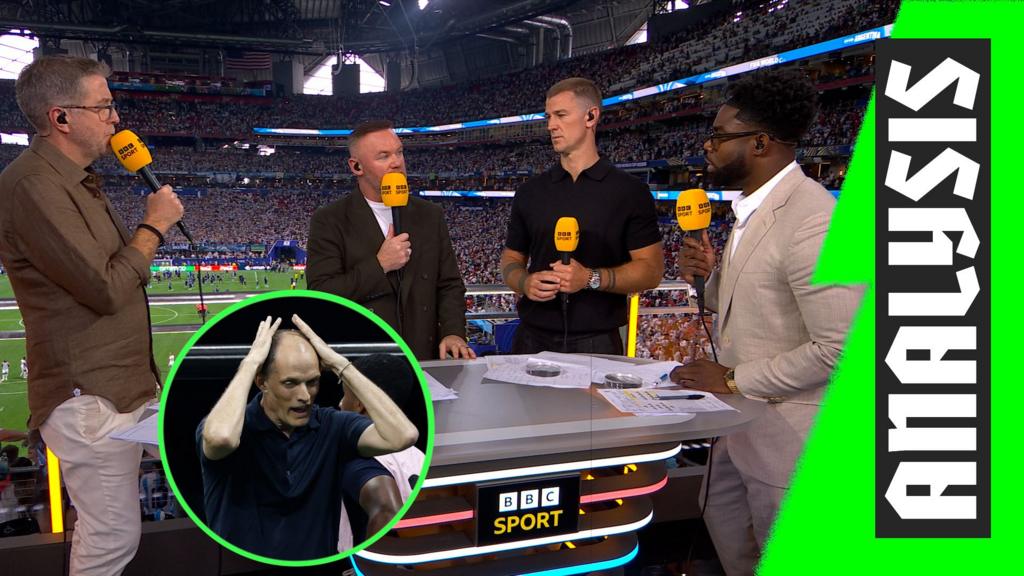
BBC Sport’s World Cup coverage has put Thomas Tuchel’s in-game management under the spotlight after England’s 2-1 semi-final defeat by Argentina, with Wayne Rooney, Joe Hart and Micah Richards all arguing that the head coach’s tactical decisions helped shape the result. The criticism matters because semi-finals are often decided by fine margins, and when a team exits at that stage, the debate quickly turns to whether the plan was right from the start or whether the adjustments made during the match failed to respond to the pressure in front of them.
For England supporters, that kind of post-match analysis is never just about one game. It feeds into a wider conversation about how the national team should be set up in knockout football: whether to stay compact and pragmatic, or to take more control through changes in shape, personnel and pressing triggers. When a match is lost 2-1, the details around substitutions, spacing and game-state management become central, especially if the opposition are able to dictate key moments after the break.
Why the tactical debate matters
Tuchel’s decisions are being judged not only on the final scoreline but on the way England handled the match as it developed. In tournament football, coaches are often praised when changes swing momentum; they are just as quickly criticised when those same changes appear to leave the team exposed or blunt. That is why the comments from Rooney, Hart and Richards carry weight: all three understand the demands of elite international football and the pressure that comes with managing a knockout tie against a major opponent.
The BBC clip does not provide a full tactical breakdown, but the core message is clear enough. England’s defeat has prompted scrutiny of whether the head coach made the right calls at the right time, and whether those calls helped Argentina gain the edge in a contest that remained alive until the end. For a fanbase that expects England to compete deep into major tournaments, that is a familiar and frustrating theme.
What it means for England going forward
Even without a full match report, the implication is obvious: England’s World Cup campaign will now be assessed through the lens of missed opportunity and managerial judgment. Semi-final exits are rarely remembered as isolated setbacks; they become reference points for future selection debates, tactical identity and the pressure on the coach to justify his approach.
For supporters, the immediate takeaway is less about one pundit opinion and more about the broader uncertainty that follows a defeat of this size. If England are to turn near-misses into trophies, the tactical choices made in the biggest matches will have to stand up to scrutiny. This BBC discussion suggests that, at least for now, Tuchel’s decisions are at the centre of that conversation.
Source note: This article was prepared using publicly available information from BBC Sport and expanded with editorial context.
Share this content: