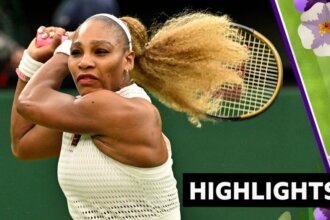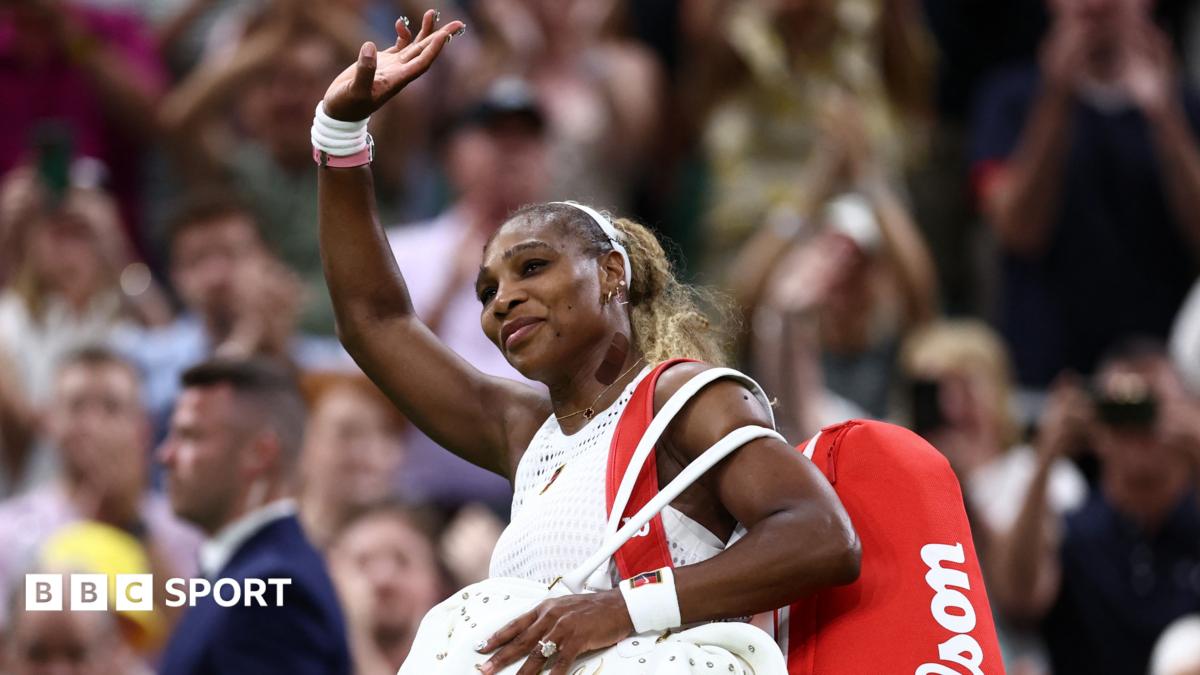
Serena Williams’ return to Wimbledon was always going to be judged on more than the scoreline, and the early reaction from Centre Court made that clear. The 23-time Grand Slam champion stepped back into one of tennis’ most demanding arenas and was greeted with the kind of reception that underlined her status as one of the sport’s defining figures.
According to the BBC source, Williams still has the kind of serve that can change the tone of a match in an instant, with deliveries reaching 120mph. That remains the most obvious reminder of why she has been such a dominant force for so long. Even after time away, the first-strike threat is still there, and for opponents that is never a comfortable starting point.
Power remains, but movement is the key question
The more pressing issue, however, is movement. The source describes that area as a struggle, and that is where any comeback from a long absence is usually tested most severely. Tennis at the top level is not only about shot-making; it is about repeat acceleration, balance, recovery and the ability to defend under pressure. Against elite opposition, any hesitation in footwork is quickly exposed.
That tactical reality matters because Williams’ game has always been built on a combination of explosive serving, aggressive baseline hitting and the ability to finish points early. If the serve is still landing with pace, it gives her a platform. But if movement is not yet at the level required for sustained singles competition, the margin for error narrows sharply.
What it means for Wimbledon and for Williams
For Wimbledon, Williams’ presence remains a major event in itself. Few players in the modern era have commanded Centre Court in the same way, and her return carries significance beyond one match or one appearance. It also reminds supporters how rare it is to see a champion of her stature back on the biggest stage, especially with so much attention still attached to every step she takes.
For Williams, the reaction suggests that the appetite for her comeback is still enormous, but so are the expectations. Fans will naturally focus on whether the physical sharpness returns quickly enough to match the power that is still clearly present. If she can improve the movement side of her game, the serve alone gives her a chance to remain competitive. If not, the gap between reputation and match readiness may remain difficult to close.
Either way, the Centre Court ovation showed that Williams’ return is not being viewed as a routine comeback. It is being treated as a major sporting moment, one that continues to carry emotional weight for supporters and competitive intrigue for the tournament.
Source note: This article was prepared using publicly available information from BBC Sport and expanded with editorial context.
Share this content: