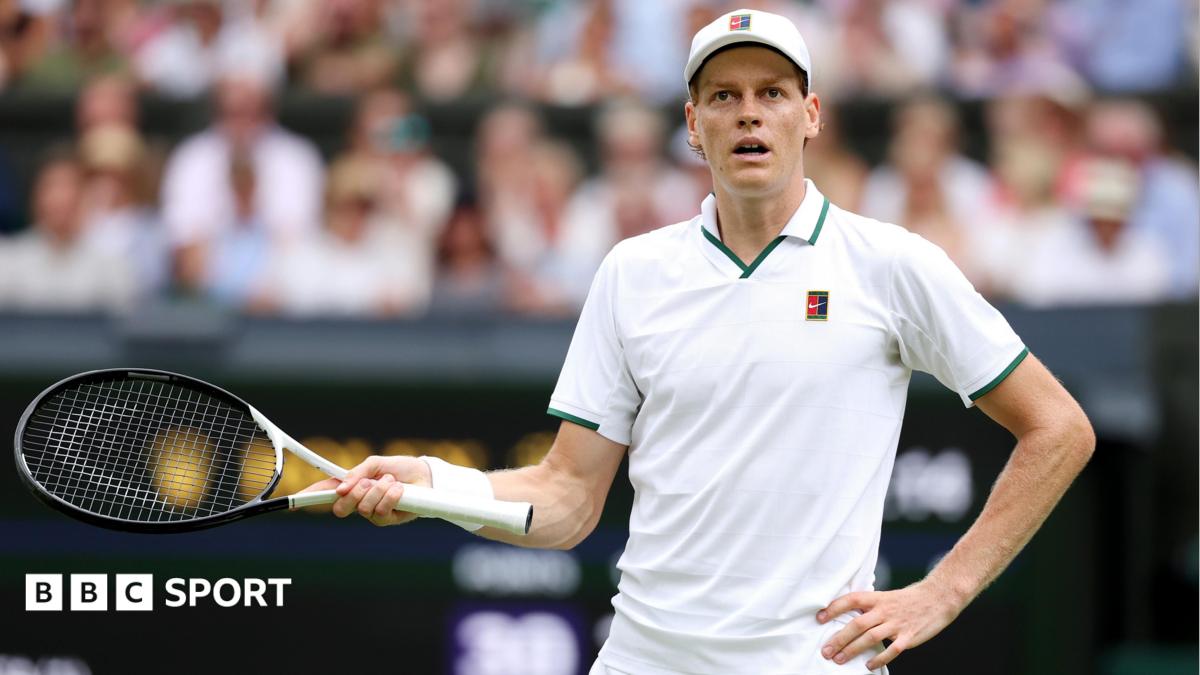
Jannik Sinner’s Wimbledon title defence has already demanded patience, problem-solving and a strong competitive edge. The world-class Italian moved through a stern second-round test against Nuno Borges, a result that keeps his campaign alive but also reinforces how unforgiving the early rounds can be for a defending champion.
For Sinner, this was not the kind of routine passage that top seeds often hope for when they arrive at the All England Club. Instead, it was another reminder that the pressure of defending a major title can create awkward matches even against opponents who may not be among the tournament favourites. Borges made the contest uncomfortable enough for the BBC to describe Sinner’s start as “tricky”, and that framing matters: it suggests the champion is being asked to win in different ways, not simply cruise through on reputation.
Why this win matters for Sinner
In Grand Slam tennis, the second round can be a danger zone for a defending champion. The first-round nerves are gone, but the draw is still fresh, the expectations are high and the margin for error remains slim. Sinner’s ability to come through a stern test is therefore more than just a box ticked on the scoreboard. It is evidence of resilience, a trait that often separates title contenders from players who fade once the pressure rises.
From a tactical perspective, matches like this can be valuable even when they are not comfortable. They force a player to adjust rhythm, manage momentum swings and find solutions under stress. For Sinner, that kind of examination may prove useful later in the tournament, where the level of opposition will only increase and the physical and mental demands will become even more severe.
What supporters should take from the result
For supporters, the key takeaway is simple: the title defence is still alive, but it is not yet flowing smoothly. That can be reassuring and concerning at the same time. Reassuring, because Sinner has already shown he can handle a difficult match and keep moving forward. Concerning, because the early signs suggest he may need to sharpen his level if he is to go deep again at Wimbledon.
Borges deserves credit as well. A stern second-round test against a defending champion is no small achievement, and matches like this often reveal how much depth exists in the draw. Even when the favourite advances, the contest can leave a mark on the tournament narrative by showing that the champion is vulnerable enough to be pushed.
For now, Sinner remains on course. The result does not settle the bigger questions around his title defence, but it does show that he has the competitive tools to survive when the match becomes awkward. At Wimbledon, that is often the first requirement for any champion hoping to stay in the hunt.
Source note: This article was prepared using publicly available information from BBC Sport and expanded with editorial context.
Share this content: