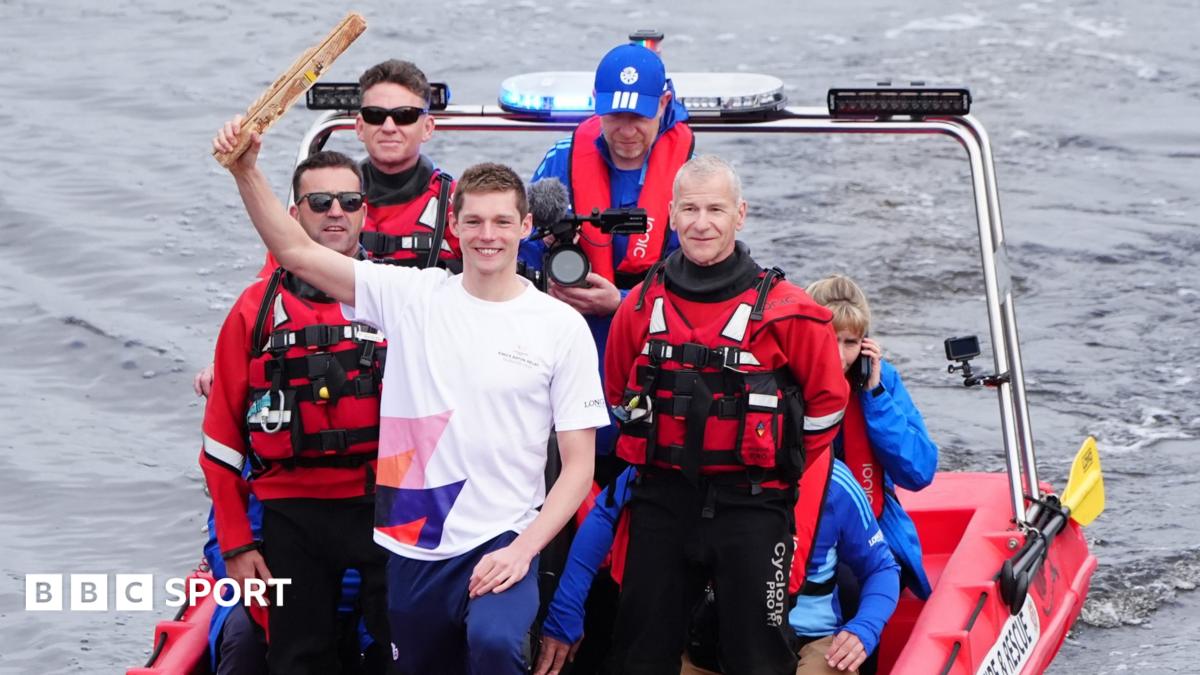
Team Scotland’s kitting-out day offered a reminder that major multi-sport events are built on more than competition alone. Before the serious business of racing, lifting, jumping and swimming begins, there is the practical side of assembling a squad, distributing kit and turning a group of individual athletes into a recognisable team. In Glasgow, that process came with a distinctly Scottish flourish: Duncan Scott arriving by speedboat on the River Clyde to deliver the King’s Baton.
The image is more than a colourful opening scene. It speaks to the way home nations use ceremony to build momentum, identity and public connection around the Commonwealth Games. For athletes, these moments matter because they create a shared point of reference before the pressure of competition takes over. For supporters, they are part of the emotional build-up: a chance to see familiar faces, sense the scale of the event and feel the anticipation rising.
A day that blends logistics with symbolism
Kit days are often overlooked, but they are essential to the mechanics of a Games campaign. Athletes need the right equipment, the right clothing and the right sense of belonging. The BBC’s report captures that practical reality through the sight of competitors leaving with bulging suitcases, a small but telling sign of how much preparation sits behind the polished image of a team presentation.
There is also a wider sporting context. The article references discussion around the future shape of the Commonwealth Games, including the fact that India has put its hand up for the 2030 edition with a full board of sports. That matters because the Games have faced questions about scale, cost and relevance in recent years. Against that backdrop, Scotland’s staging of a lively, well-attended kitting-out day can be read as a statement of intent: keep the event visible, keep it meaningful and keep the athletes at the centre of it.
Why this matters for Team Scotland
For Team Scotland, the baton delivery and kit collection are part of a broader effort to create unity across sports that normally operate in separate worlds. A swimmer like Scott, one of Scotland’s most recognisable athletes, helps anchor that identity. His presence gives the event star power, but it also reinforces the idea that the team is built on shared standards and shared purpose rather than individual profile alone.
Supporters will take encouragement from the tone of the day. It suggests organisation, energy and a sense of occasion, all of which are important when a team is trying to build belief before competition begins. While kit handouts do not win medals, they can shape the atmosphere around a squad. In a multi-sport environment, that atmosphere often becomes part of the performance story.
The BBC’s report is light in detail, but the central message is clear: Team Scotland is trying to make the journey to the Games feel like an event in itself. That approach can help athletes settle, help fans invest and help the wider public understand why the Commonwealth Games still matter.
Source note: This article was prepared using publicly available information from BBC Sport and expanded with editorial context.
Share this content: