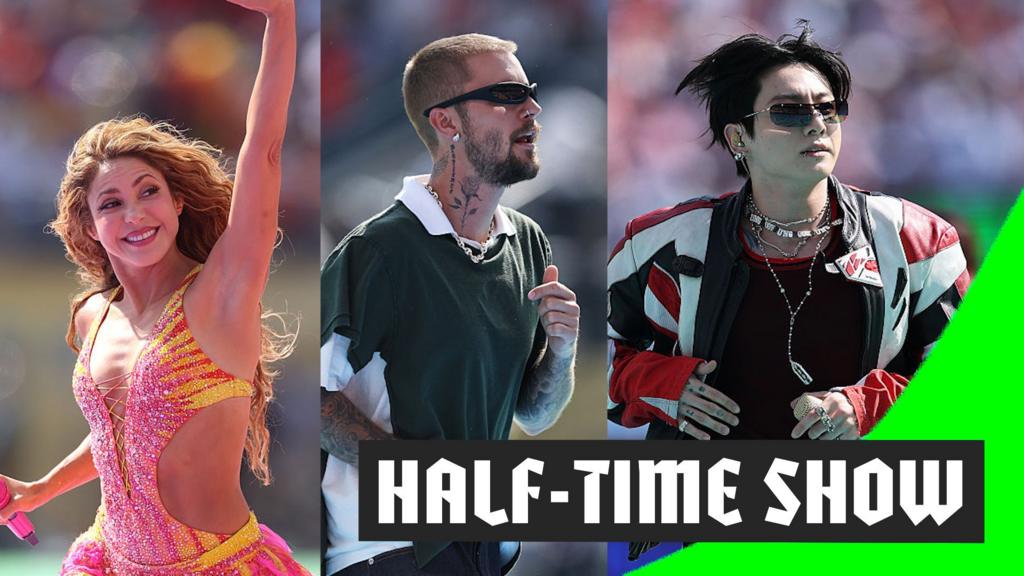
The World Cup final has long been football’s most watched stage, but the BBC Sport video titled Stars shine at the World Cup final half-time show points to a wider truth about the modern game: the biggest match in world football is now also a global entertainment event. With Madonna, BTS, Justin Bieber and Shakira all referenced in the half-time spectacle, the final is presented not just as a sporting occasion but as a cultural broadcast designed to reach far beyond the traditional football audience.
That matters because the World Cup final is no longer consumed only by supporters focused on tactics, selection and result. It is packaged for a worldwide audience that includes casual viewers, music fans and commercial partners, all of whom expect a show as much as a contest. For football purists, that can feel like a distraction. For organisers, it is part of the tournament’s power: the ability to turn one match into a global event with enormous reach.
Football’s biggest stage keeps expanding
The video’s mention of Ronaldo and Ronaldinho at the New York New Jersey Stadium adds another layer to that spectacle. Both names carry huge symbolic weight in football culture, and their presence reinforces the idea that the final is built around icons as much as teams. Even without the full match context in the source, the message is clear: the World Cup final is increasingly a platform where football heritage, celebrity appeal and mass entertainment intersect.
For supporters, this is part of a broader shift in how the sport is presented. The final is not only about the 90 minutes, or even the trophy lift at the end. It is about the entire production around the game, from the opening ceremony to the half-time show and the global conversation that follows. That can enhance the event’s scale and visibility, but it also raises questions about whether football’s pure competitive identity is being stretched by entertainment demands.
What it means for supporters
There is a practical football angle here too. The more the final becomes a showcase for global stars, the more the sport’s governing bodies are signalling that elite football is now part of the wider entertainment economy. That has implications for how future tournaments are staged, marketed and remembered. Supporters may come for the football, but the event is increasingly designed to keep them engaged through spectacle at every stage.
In that sense, the BBC Sport clip captures more than a half-time show. It reflects the direction of travel for the modern World Cup final: bigger, louder and more commercially ambitious than ever. Whether that is progress or overreach depends on your view, but there is no doubt that football’s grandest occasion now aims to be as memorable off the pitch as on it.
Source note: This article was prepared using publicly available information from BBC Sport and expanded with editorial context.
Share this content: