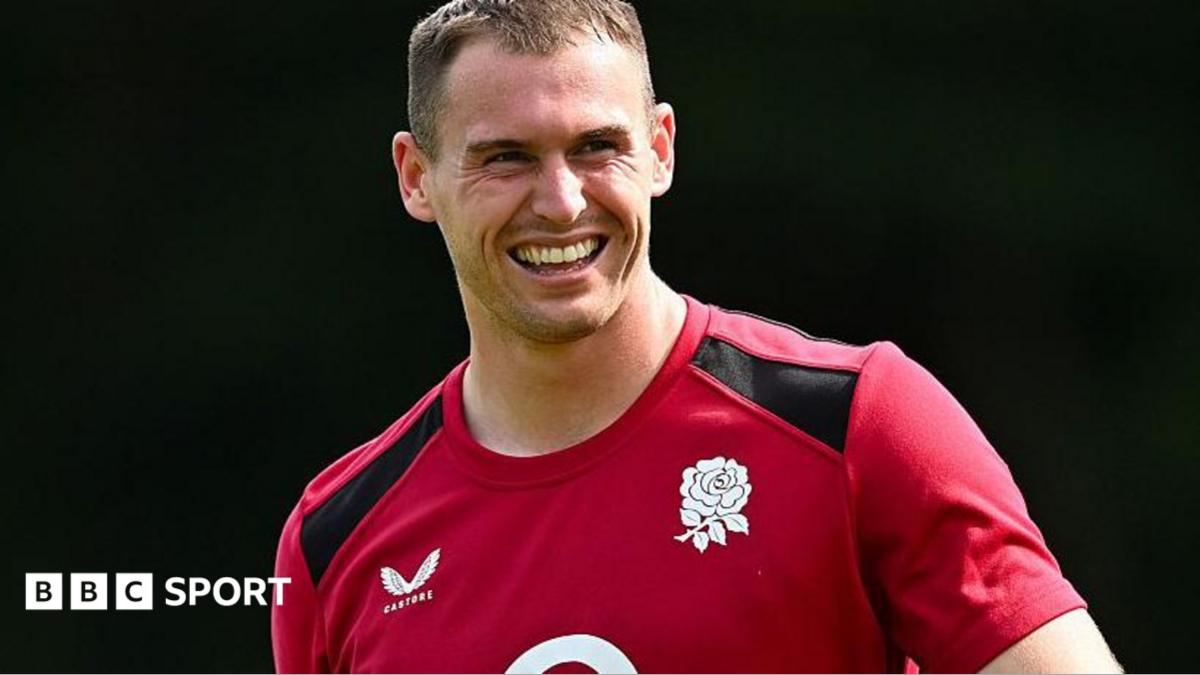
England’s back-three plans have been disrupted again, with Sale wing Tom Roebuck brought into Steve Borthwick’s squad as the head coach works through a growing injury list. The move underlines how quickly selection priorities can shift at international level, especially in the outside backs where pace, aerial security and positional flexibility are all at a premium.
Roebuck’s call-up is significant not only because it rewards a player pushing for recognition, but because it reflects the practical demands now facing England. When injuries start to affect the back three, coaches are forced to balance attacking threat with defensive coverage, kick-chase reliability and the ability to cover multiple roles across the back line. That makes squad depth just as important as form.
Why Roebuck’s inclusion matters
For England supporters, this is another reminder that Borthwick’s selection picture remains fluid. A back-three reshuffle can alter the way a team exits under pressure, contests high balls and launches counter-attacks. It also affects how the midfield is used, because the balance between width and security changes depending on who is available on the wing or at full-back.
Roebuck’s inclusion suggests England are looking for a player who can help stabilise that area while the injury situation settles. Even without the full detail of every absentee in the source, the broader implication is clear: England are having to adapt rather than simply pick from a settled group. That can be disruptive, but it can also create opportunity for players who might otherwise be waiting on the edge of the squad.
What it means for England’s wider selection picture
Back-three selection is often one of the most tactical areas of any Test match squad. A wing who is strong under the high ball can change how a side deals with territorial pressure, while a more direct runner can stretch defensive lines and create space for support players. Borthwick’s challenge is to find the right mix without compromising structure.
For Sale, Roebuck’s involvement is also a positive sign of the club’s continued influence on the national setup. For England, it is another test of squad management at a time when continuity is being challenged by injuries. The upside is that fresh call-ups can sharpen competition for places and keep standards high. The downside is that repeated changes can make it harder to build rhythm and cohesion.
At this stage, the key takeaway is simple: England are not just filling a gap, they are actively reworking the back-three picture to stay competitive. Roebuck now has a chance to make his case in an environment where every training session matters and every selection decision carries extra weight.
Source: BBC Sport.
Source note: This article was prepared using publicly available information from BBC Sport and expanded with editorial context.
Share this content: