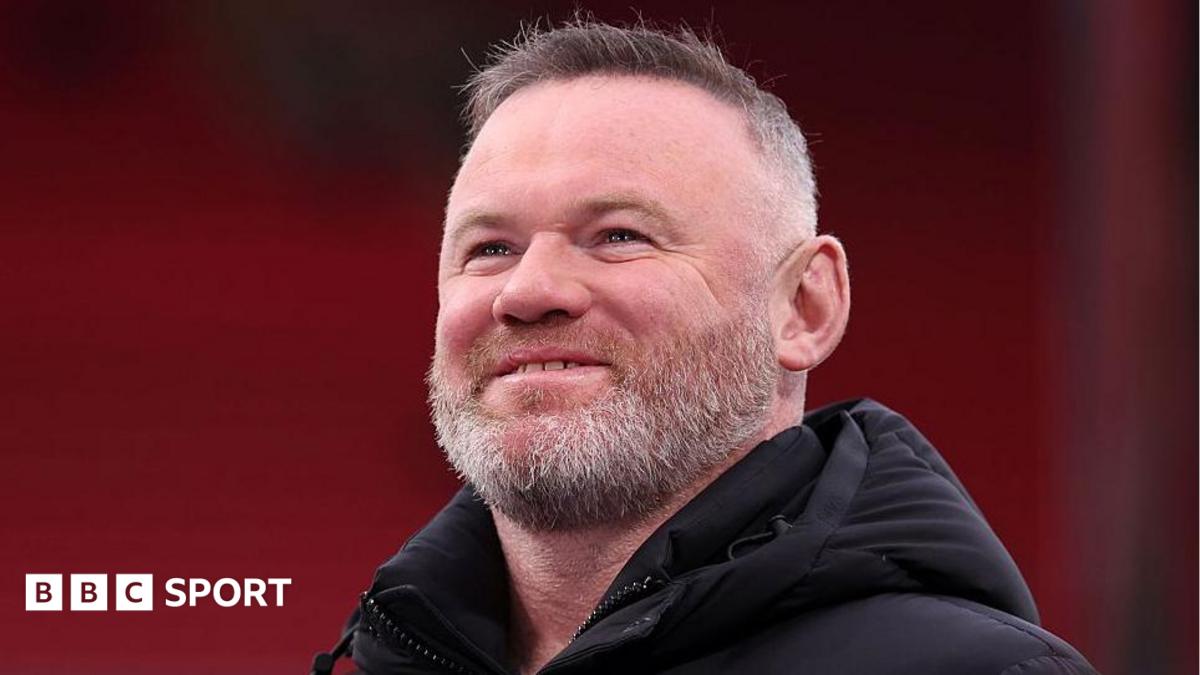
Wayne Rooney’s latest comments offer a blunt reminder that the transition from elite player to successful manager is rarely straightforward. The former Manchester United and England striker, one of the most recognisable figures in modern English football, has admitted he carries regrets about his time in management and does not currently see himself returning to the dugout.
For supporters who followed Rooney’s post-playing career closely, the admission is notable because it underlines how difficult the job can be even for a footballer with his stature, experience and understanding of the game. Management demands more than tactical knowledge: it requires patience, structure, recruitment alignment and the ability to stabilise a club through inevitable setbacks. Rooney’s reflection suggests that, for now, he is more comfortable speaking honestly about the strain than pretending the experience was a clean success.
Rooney’s managerial reflection
Rooney’s comments fit a wider pattern seen across football, where legendary players often discover that coaching is a separate profession with its own pressures. A celebrated career on the pitch does not guarantee the same authority in the technical area, especially when results turn quickly and expectations remain high. That reality is particularly sharp for a figure like Rooney, whose name alone can raise standards before a ball is even kicked.
His remarks also matter because they speak to the emotional side of management. Regret is not unusual in football, but hearing it from a former England captain gives the issue extra weight. It suggests that the job can leave lasting frustrations, especially when results, squad limitations or club circumstances do not match ambition.
What it means for supporters
For Manchester United supporters and England fans, Rooney remains a major part of the game’s recent history. His honesty may not change his legacy, but it does add context to the challenges he faced after retirement. Many fans like to imagine iconic players moving naturally into the dugout; Rooney’s view is a reminder that the pathway is far less predictable.
At the same time, his stance does not close the door on football entirely. Former players often step away from management only to return in another role later, whether in media, ambassadorial work or development pathways. For now, though, Rooney’s message is clear: the managerial chapter has left its mark, and a comeback does not appear imminent.
That makes this less a story about a future appointment and more a candid snapshot of a football great reassessing the realities of life after playing. In a sport that often celebrates certainty, Rooney’s honesty stands out.
Source note: This article was prepared using publicly available information from BBC Sport and expanded with editorial context.
Share this content: