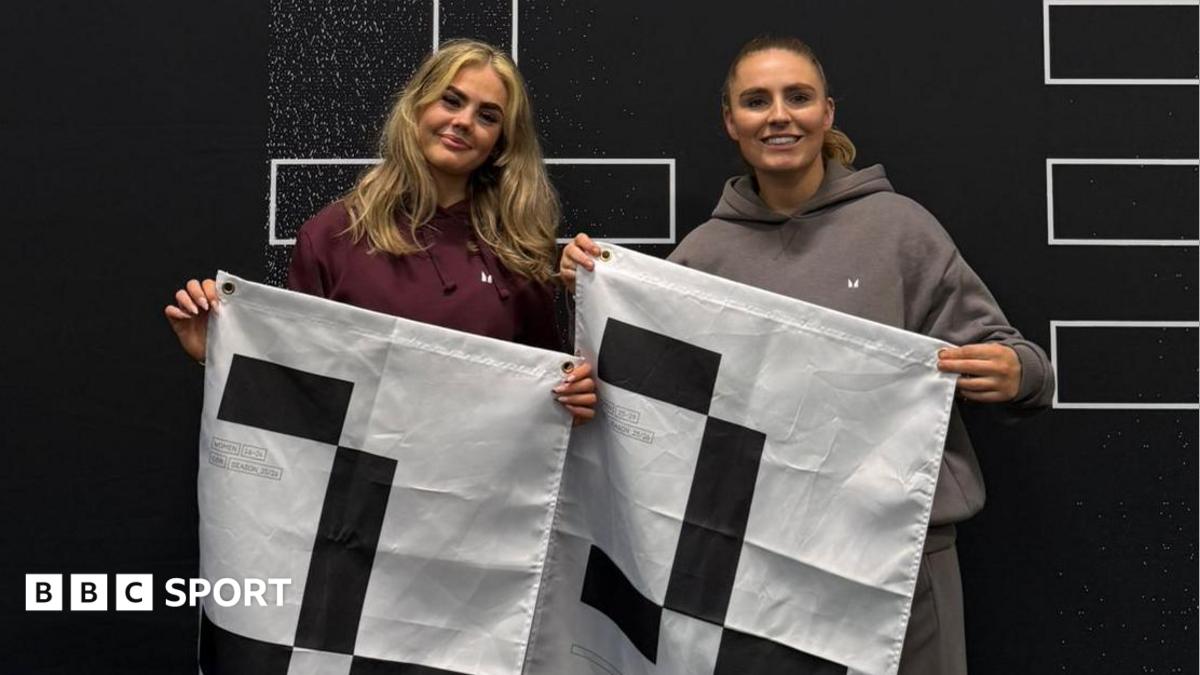
Hyrox has moved from niche fitness challenge to mainstream talking point, and the BBC’s feature on two Welsh sisters heading to the World Championships underlines why the format has caught on so quickly. The event blends running with functional exercises, rewarding not just raw endurance but repeatable strength, pacing and discipline across a demanding race profile.
For supporters of endurance sport, the appeal is easy to understand. Hyrox sits in the space between mass participation fitness and elite competition, which helps explain why it has become especially popular with younger athletes looking for measurable goals and a clear competitive ladder. The BBC source also points to the scale of commitment involved, including one participant’s reported £2,000 spend on a single event, a reminder that serious amateur competition can now demand significant financial and personal investment.
A family story with wider sporting relevance
The emotional centre of the story is the relationship between the sisters. One says she tells children at her school that her sister is her biggest inspiration, a line that gives the piece its human edge and shows how family support can shape sporting ambition. That dynamic matters in a sport like Hyrox, where training consistency, accountability and motivation are often as important as natural talent.
While football readers may not follow Hyrox closely, the crossover is obvious. Modern football increasingly values repeat sprint ability, strength under fatigue and recovery between high-intensity efforts. Hyrox’s rise reflects the same broader sporting culture: athletes and recreational competitors want structured tests that reward work rate and resilience. For Welsh sport, the sisters’ presence at the World Championships also adds another example of grassroots competitors reaching an international stage through dedication rather than traditional academy pathways.
What the Hyrox boom means for competitors
The BBC’s framing around Gen Z obsession is significant because it suggests Hyrox is not just a passing fitness trend. Its growth has been driven by social media visibility, accessible entry points and a format that is easy to understand even for casual followers. That combination has helped turn it into a global event series with a strong identity and a loyal participant base.
For the sisters, the World Championships represent both a personal milestone and a broader statement about where modern sport is heading. The story is not about celebrity or transfer drama, but it does speak to the same competitive instincts that drive football: preparation, sacrifice and the pursuit of a peak performance on a big stage. For Welsh supporters, it is another reminder that elite ambition can emerge from everyday sporting environments, and that family-driven motivation still has a powerful place in high-performance sport.
Source note: This article was prepared using publicly available information from BBC Sport and expanded with editorial context.
Share this content: