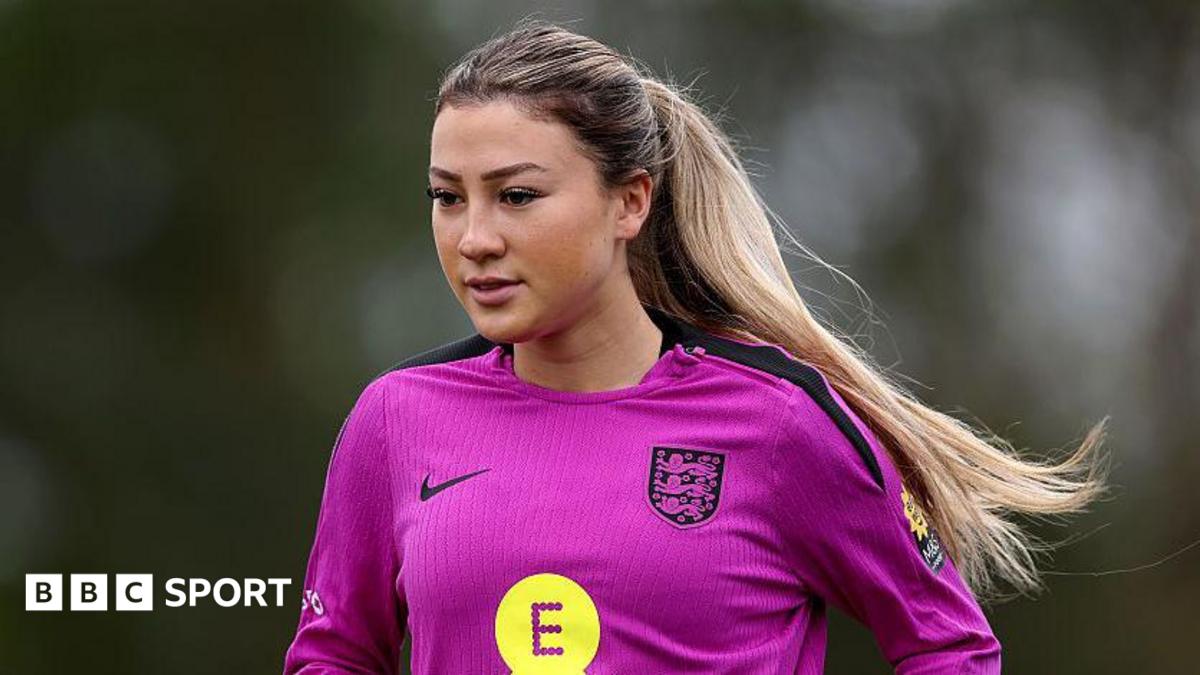
Meg Parkinson’s emergence into England’s senior set-up is the kind of story that underlines how quickly the women’s game can change for a young player. When Sarina Wiegman called her into the squad in March, Parkinson was still largely an unknown name to many supporters, but that kind of surprise selection also tells you something important: England are continuing to look beyond the obvious and invest in players they believe can grow into international football.
According to the BBC report, Parkinson has also been working with a mindset coach, a detail that speaks to the increasing importance of mental preparation in elite football. At the top level, talent alone is rarely enough. Young players are expected to absorb tactical detail, handle scrutiny, and stay composed in environments where every touch is analysed. For a teenager stepping into a senior international camp, that challenge can be as significant as the football itself.
Why the mental side matters for young internationals
For England, the presence of a mindset coach around a young player is not a gimmick. It reflects a broader shift in how modern squads are built and supported. International football compresses pressure into short windows: limited training time, high expectations, and little margin for error. A player like Parkinson has to learn quickly how to manage nerves, recover from mistakes, and stay confident when competing with established names.
That matters tactically too. Players who can process instructions quickly and remain calm under pressure are often the ones who adapt fastest to Wiegman’s demands. England’s manager has built a reputation for clarity, structure and standards, and young players who can cope with that environment are more likely to stay in the conversation for future squads.
What Parkinson’s rise means for England supporters
For supporters, Parkinson’s story is encouraging because it suggests England’s pathway remains open to emerging talent. The senior squad is not just about the players already known to the public; it is also about identifying the next wave early enough to shape them for major tournaments ahead. That is especially relevant in a cycle where squad depth, competition for places and long-term development all matter.
The BBC’s focus on Parkinson also fits a wider conversation around the women’s game: the best young players are now being supported in more holistic ways, with technical, physical and psychological development treated as part of the same process. If Parkinson continues to progress, her early exposure to the senior environment could prove valuable not only for her own career but for England’s future depth as well.
For now, the key takeaway is simple. Wiegman’s decision to bring Parkinson in was notable enough on its own; the addition of mindset support shows how seriously modern football treats the transition from promising teenager to international footballer.
Source note: This article was prepared using publicly available information from BBC Sport and expanded with editorial context.
Share this content: