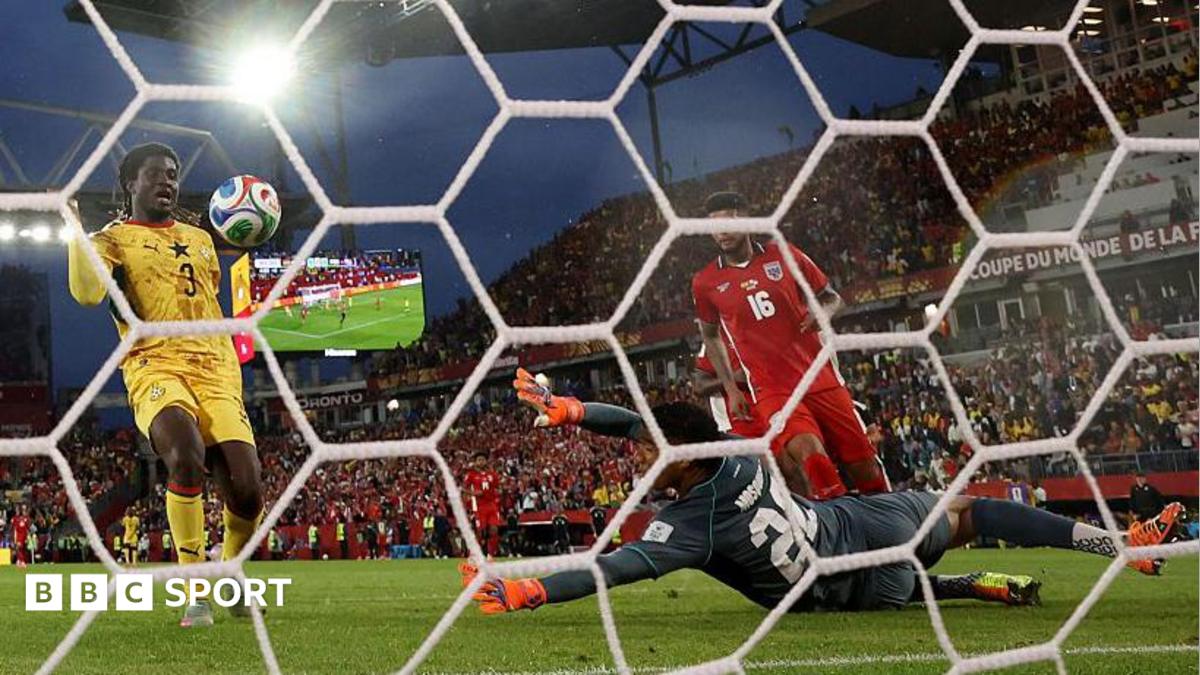
Late goals have become one of the most striking patterns at this World Cup, and the BBC’s latest analysis focuses on why so many matches are being decided in the closing stages. The headline question is simple, but the answer matters for how teams manage games, how coaches use their benches and how supporters experience the tournament’s tension.
Switzerland’s match against Bosnia and Herzegovina is used as the immediate reference point. As the clock moved towards the final quarter hour, the game remained level, underlining a broader theme that has run through the competition: matches are staying alive for longer, and the decisive moment is often arriving after the hour mark rather than early in the contest.
Why the final minutes matter more
From a tactical perspective, late goals often reflect a combination of fatigue, risk-taking and the increasing importance of substitutions. Teams that begin cautiously can grow into games, while sides protecting a result may be forced deeper as the match wears on. That creates space, and space is usually the most valuable currency in modern football.
There is also a psychological layer. In tournament football, especially at World Cup level, players are often reluctant to overcommit too early. A single mistake can change a group-stage campaign or knock-out path, so matches can become more open only once one side is forced to chase. That is when late chances tend to appear.
What it means for teams and supporters
For coaches, the trend is a reminder that game management is no longer just about the first half or the opening spell after the break. It is about timing substitutions, preserving energy and deciding when to push for a second goal or when to shut a match down. For supporters, it creates a tournament that feels unpredictable right to the end.
That unpredictability is part of the World Cup’s appeal, but it also raises questions for teams that cannot close games out early. If late goals are becoming more common, then depth, conditioning and bench impact may be just as important as starting quality. The teams that adapt best to that reality are likely to gain the edge as the tournament progresses.
The BBC’s analysis points to a wider truth about elite international football: matches are rarely settled by one phase alone. The final quarter hour can now be as decisive as the opening 15 minutes, and for teams chasing progress, that may be where the World Cup is won or lost.
Source note: This article was prepared using publicly available information from BBC Sport and expanded with editorial context.
Share this content: