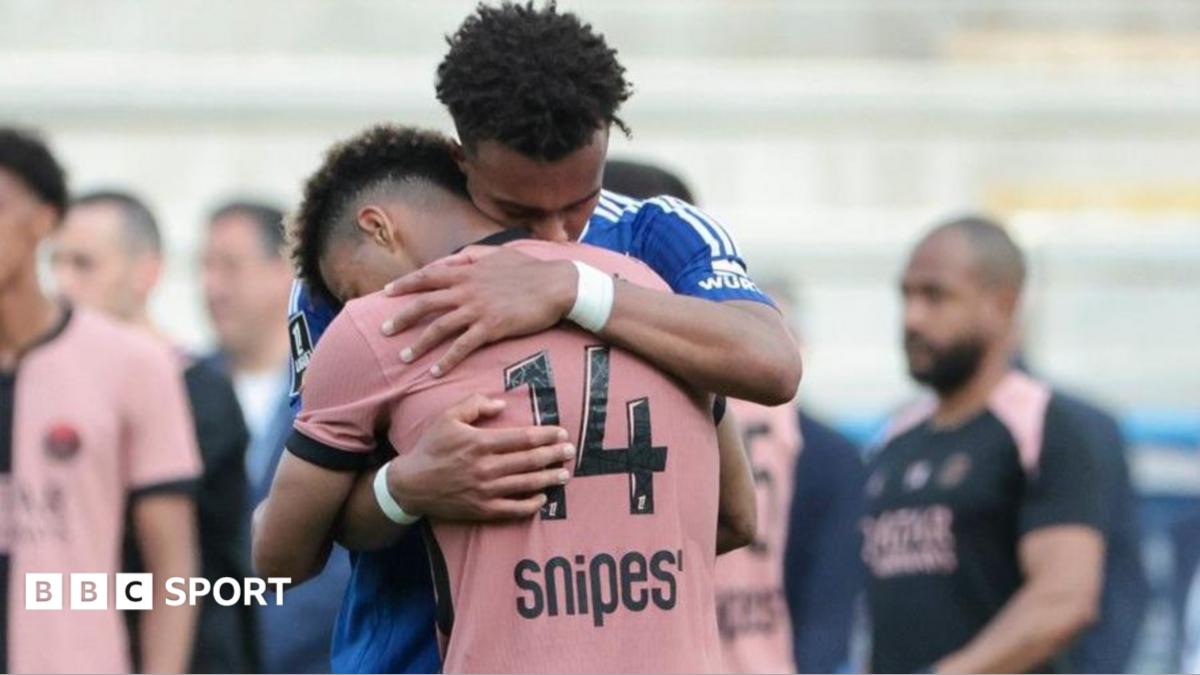
Football’s international game has always been shaped by identity, migration and family history, but few storylines capture that complexity as sharply as siblings choosing different World Cup allegiances. BBC Sport’s feature on sibling rivals explores one of the sport’s most unusual human angles: brothers and sisters potentially facing each other on the world stage while representing different countries.
For supporters, that kind of scenario is more than a curiosity. It speaks to how modern football has become increasingly global, with eligibility rules, dual nationality and family roots often creating pathways that stretch across borders. In tournament football, where national pride is amplified and every selection is scrutinised, the idea of siblings wearing different shirts adds emotional weight to an already intense competition.
Why sibling rivalries matter at World Cup level
At club level, footballers regularly share dressing rooms with teammates from different backgrounds. International football is different. The World Cup asks players to define themselves in national terms, and that can create rare situations where family members end up on opposite sides. Those moments are compelling because they combine sporting rivalry with personal history, turning a match into something far more intimate than a standard fixture.
That tension also reflects the broader evolution of the international game. As players are born in one country, raised in another and eligible for more than one national team, the question of representation becomes both personal and political. For families, the choice can be shaped by birthplace, heritage, opportunity or emotional connection. For fans, it offers a reminder that football identities are often layered rather than fixed.
What it means for teams and supporters
From a tactical perspective, sibling storylines do not alter the pitch directly, but they can influence the atmosphere around a match. Media attention rises, narratives sharpen and supporters become invested in the human drama as much as the football itself. In a World Cup environment, where every detail is magnified, that can add another layer of pressure and intrigue.
For national teams, these cases also underline the competition for talent across federations. A player’s decision to commit to one country can shape squad depth for years, while also affecting the emotional landscape of the tournament. For supporters, the appeal lies in the contradiction: football is fiercely tribal, yet it is also deeply familial. Sibling rivalries on the international stage capture both truths at once.
BBC’s feature points to a recurring truth about the World Cup. Beyond the trophies, tactics and results, the tournament is also a stage for stories about belonging, loyalty and identity. When brothers or sisters line up for different nations, the football becomes personal in a way few other sporting narratives can match.
Source note: This article was prepared using publicly available information from BBC Sport and expanded with editorial context.
Share this content: