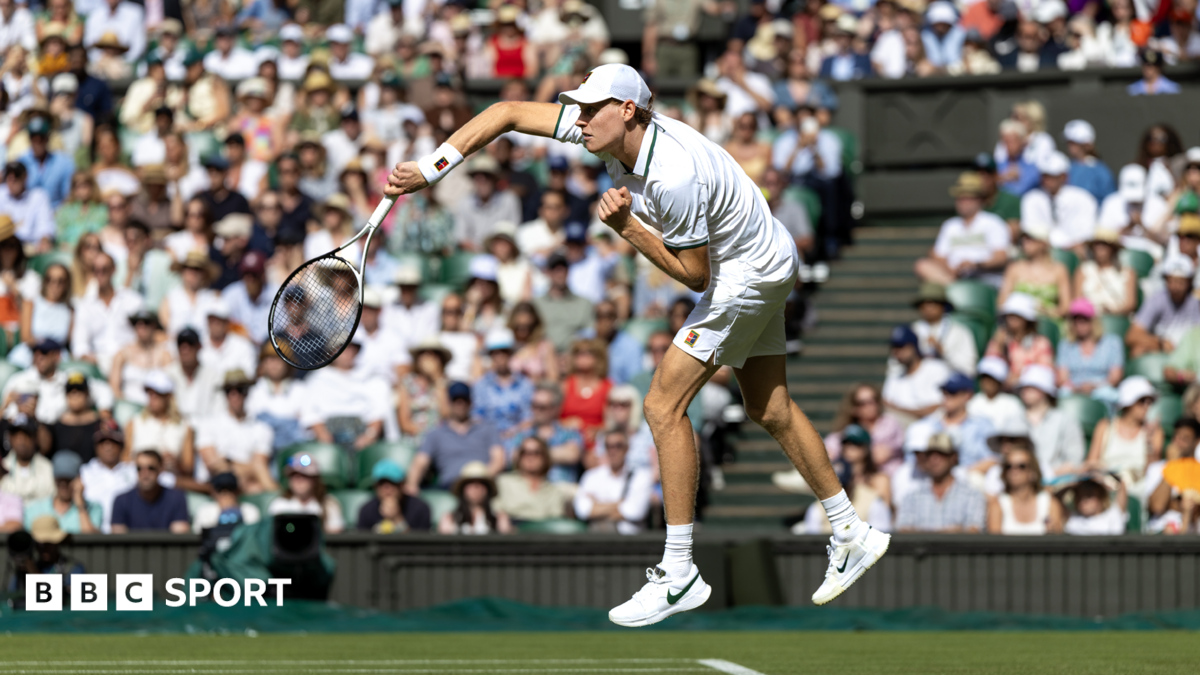
Wimbledon’s daily order of play is one of the most closely watched parts of the tournament, and not just because it determines who plays when. For players, the schedule can shape recovery time, preparation and even tactical planning. For supporters, it affects everything from travel plans to the chance of seeing a favourite on Centre Court. And for broadcasters, it is central to how the Championships are presented to a global audience.
BBC Sport’s explainer on how the Wimbledon schedule is decided highlights the amount of coordination required behind the scenes. That matters because Wimbledon is not simply a sequence of matches; it is a live sporting operation that has to balance court availability, player needs, weather disruption and the expectations of fans both inside the grounds and watching at home. The scheduling process is therefore part logistics, part sporting judgement and part public service.
Why Wimbledon scheduling matters
At a Grand Slam, the order of play can influence competitive fairness. Players who finish late one day and return early the next may have less recovery time than opponents who are given a more favourable slot. That is why scheduling decisions are often scrutinised so heavily, especially when the tournament reaches the business end and every match carries greater pressure. Wimbledon’s grass courts also add another layer of complexity, because the surface can be affected by rain and by the wear and tear of repeated play.
For fans, the schedule is equally important. Wimbledon attracts a mix of ticket-holders, queueing spectators and television viewers, all of whom want clarity on when matches will start and which courts will host the biggest names. The Championships have long been known for their tradition and precision, so any disruption to the timetable tends to draw attention quickly.
What the BBC explainer adds
The BBC’s Q&A format is useful because it turns a behind-the-scenes process into something supporters can understand. Rather than treating scheduling as a mystery, it frames the issue as a practical challenge: how to keep a major tournament moving while protecting the experience for players and audiences. That is especially relevant at Wimbledon, where the prestige of the event means every decision is examined closely.
For British supporters, the timing of matches can also shape the emotional rhythm of the tournament. Early-round days can bring hope and anticipation, but they can also bring frustration if local players are placed on courts or at times that make momentum harder to build. In that sense, scheduling is not just administration; it can affect the narrative of the Championships themselves.
As Wimbledon continues, the schedule will remain one of the tournament’s most important moving parts. It is the framework that allows the sport to unfold properly, and the BBC’s explainer offers a timely reminder that elite tennis depends on far more than what happens inside the lines.
Source note: This article was prepared using publicly available information from BBC Sport and expanded with editorial context.
Share this content: