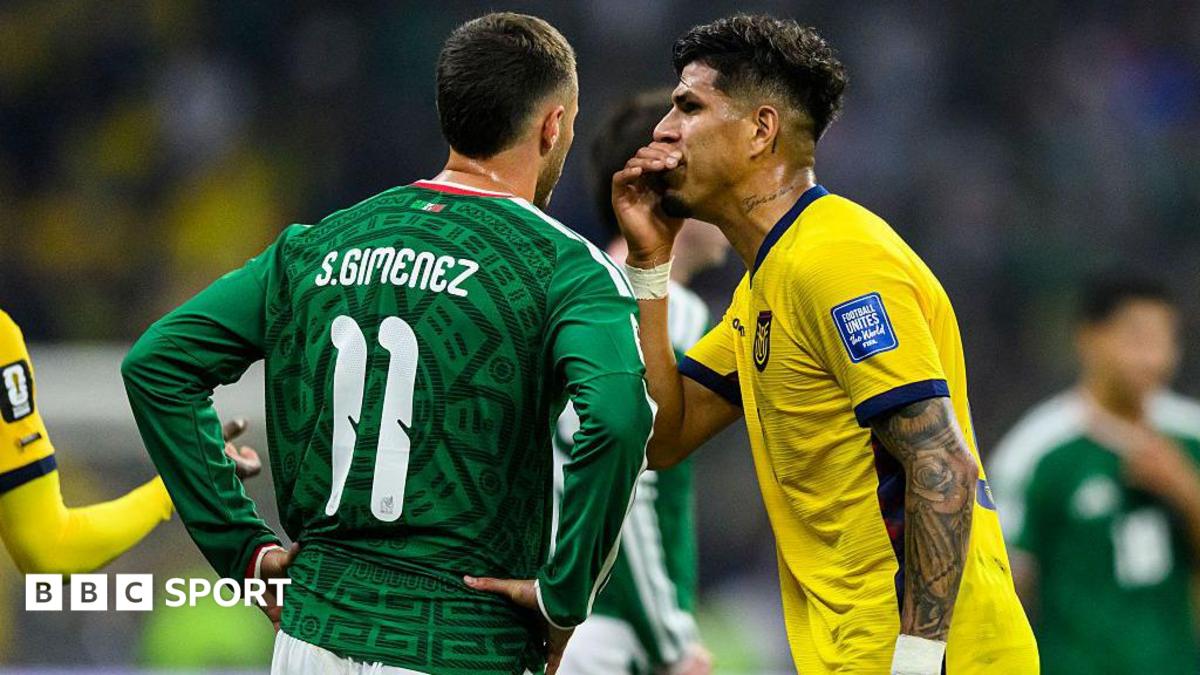
UEFA has clarified a small but potentially significant disciplinary point: players who cover their mouths during confrontations with opponents will not be shown red cards in UEFA competitions. The confirmation, reported by BBC Sport, settles a question that has drawn attention around player behaviour in tense moments on the pitch.
What UEFA has clarified
The ruling matters because mouth-covering has become a familiar sight in modern football, especially when players speak to teammates, react to refereeing decisions, or try to avoid lip-reading in high-pressure situations. UEFA’s position means that, on its own, the act of covering the mouth will not be treated as a sending-off offence. That distinction is important for players and coaches who have grown used to seeing the gesture interpreted in different ways depending on the context.
For supporters, the clarification removes some uncertainty around a detail that can easily be overread in live matches. In an era when every gesture is scrutinised, especially in European competition, the line between routine communication and something more contentious can become blurred. UEFA’s stance suggests it does not want the act itself to be automatically escalated into a red-card matter.
Why the decision matters for European football
Although the source does not set out a wider disciplinary review, the decision is still relevant to the broader way UEFA manages match control. European fixtures often carry heightened pressure, and small behavioural incidents can quickly become talking points. By making clear that covering the mouth is not a red-card offence, UEFA is drawing a boundary that should help referees and players understand what is, and is not, punishable at the highest level of its competitions.
From a tactical perspective, the issue also touches on communication. Players frequently shield their mouths to protect tactical instructions, hide reactions, or avoid giving opponents information. That has become part of the modern game’s on-field language, and UEFA’s clarification recognises that reality without turning it into a disciplinary issue.
For clubs and national-team staff preparing for UEFA matches, the practical effect is straightforward: players can continue to use the gesture without fearing an automatic dismissal. The key takeaway for supporters is that UEFA has chosen clarity over ambiguity on a detail that could otherwise have created confusion in decisive moments.
While this is not a headline-grabbing transfer or match result, it is the kind of regulatory update that shapes how football is played and officiated. In tightly contested European games, even minor clarifications can influence behaviour, reduce unnecessary controversy, and keep the focus on the football itself.
Source note: This article was prepared using publicly available information from BBC Sport and expanded with editorial context.
Share this content: