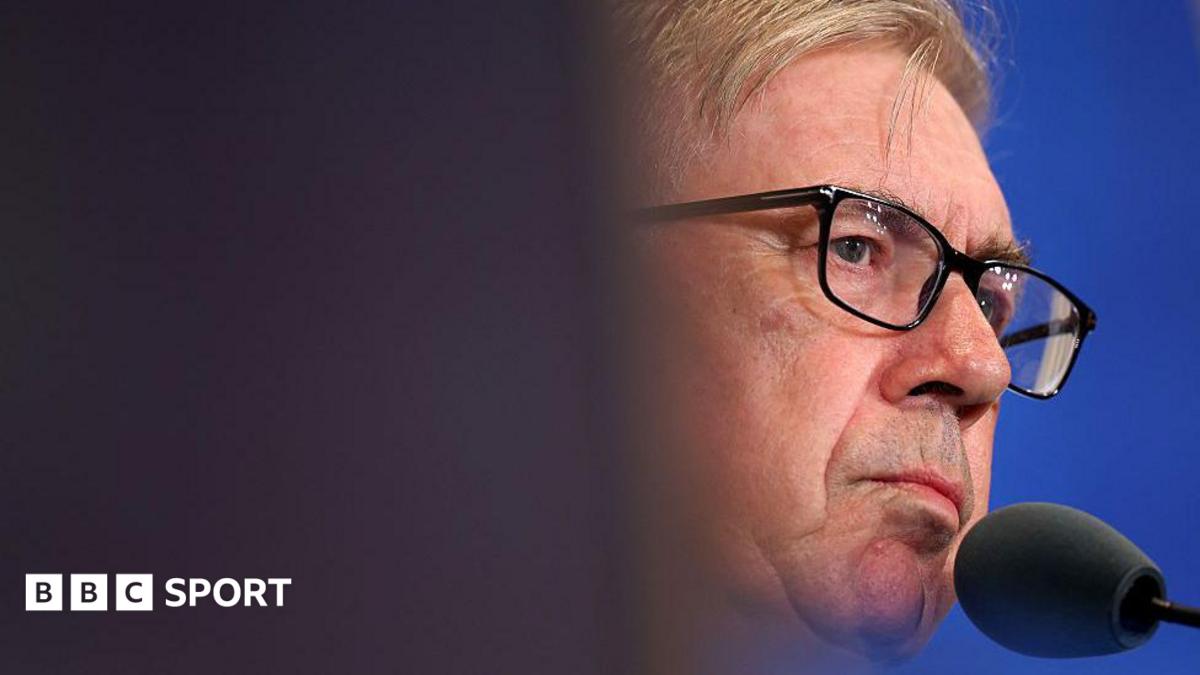
Carlo Ancelotti’s move into the Brazil job is one of the most significant coaching appointments in international football, not simply because of his reputation, but because of the scale of the task in front of him. Brazil remain the sport’s most storied national team, yet the pressure on any coach in the role is always measured against one standard: World Cup success.
The BBC’s report underlines the central reality of Ancelotti’s challenge. Brazil have gone 24 years without lifting the trophy, and that absence shapes every discussion around the national team. For supporters, the wait is not just a statistic. It is a reminder that a country built on footballing identity has spent more than two decades trying to reconnect with the summit of the game.
A coach built for high expectations
Ancelotti arrives with a profile few managers can match. His career has been defined by major trophies, elite dressing rooms and the ability to manage star-heavy squads without losing control of the bigger picture. That matters in Brazil, where the expectation is not only to win, but to do so with authority, balance and a style that satisfies a demanding public.
From a tactical perspective, the appointment suggests Brazil want a coach who can bring structure to a team often judged on individual quality alone. International football offers limited time to build patterns, so experience, clarity and adaptability become essential. Ancelotti’s background makes him a logical fit for a side that will be expected to compete immediately rather than go through a long rebuilding phase.
What the World Cup wait means for Brazil
Brazil’s 24-year drought adds weight to every selection, every result and every performance. The national team’s history means even strong tournament runs can be viewed through the lens of whether they end in a title. That creates a unique environment for Ancelotti: success will be measured not only by results, but by whether he can restore belief that Brazil can dominate on the biggest stage again.
For supporters, the appointment offers both hope and scrutiny. Hope, because Ancelotti brings pedigree and calm authority. Scrutiny, because Brazil’s standards leave little room for gradual progress. The next World Cup cycle will therefore be about more than qualification or squad building. It will be about whether Brazil can turn elite talent into a team capable of ending one of the most talked-about waits in international football.
If Ancelotti succeeds, it will be viewed as a defining achievement in a career already full of them. If he does not, the scale of Brazil’s expectations will ensure the debate remains relentless. Either way, this is a story about pressure, legacy and the pursuit of the trophy that still defines Brazilian football.
Source note: This article was prepared using publicly available information from BBC Sport and expanded with editorial context.
Share this content: