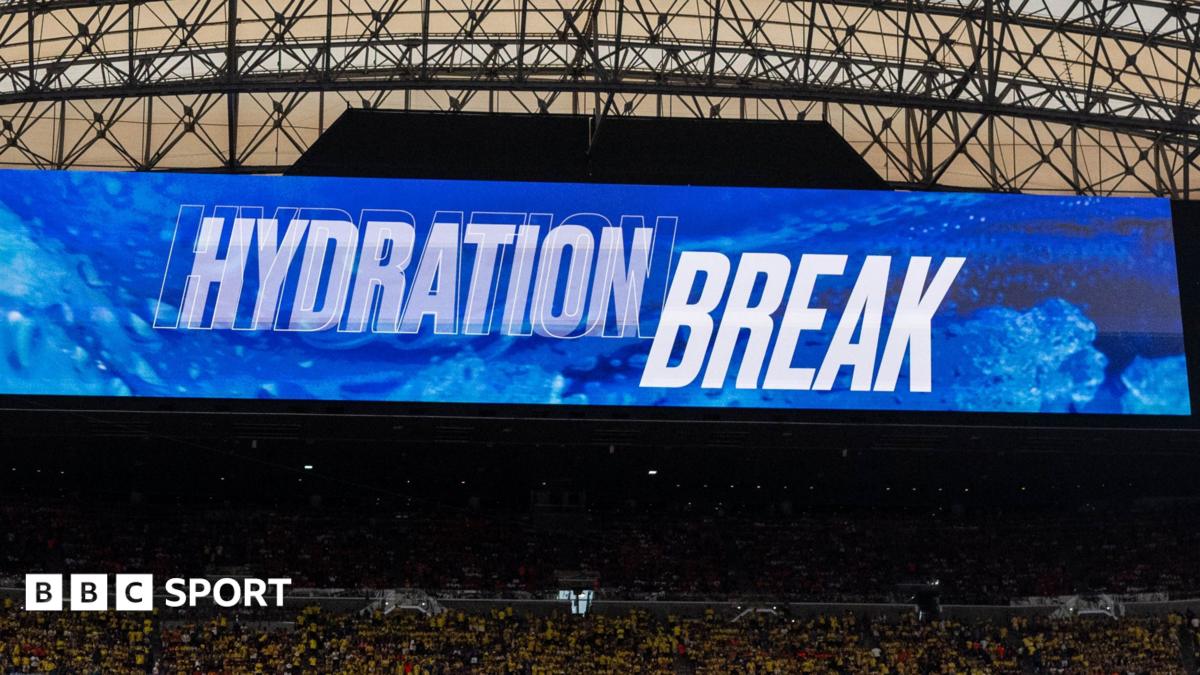
Fifa president Gianni Infantino has moved to clarify the purpose of hydration breaks at the World Cup, insisting the pauses are introduced for football reasons rather than commercial ones. In a short but pointed intervention, Infantino said the measure is “purely a sporting matter” and does not create “any additional revenue for Fifa”.
That distinction matters because World Cup policy is often scrutinised through two lenses at once: the competitive integrity of the tournament and the commercial scale of the governing body behind it. Any change to the rhythm of a match can quickly become a talking point among coaches, players and supporters, especially when it affects momentum, pressing structures and game management.
Why hydration breaks matter on the pitch
Hydration breaks are not just a welfare issue in hot conditions; they also alter the tactical flow of a match. For teams built on intensity, a pause can interrupt pressing patterns and reduce the physical edge that some sides try to impose early. For others, particularly teams defending deep or trying to regroup after a difficult spell, the break can function as a reset point. That is why even a seemingly routine intervention can have a real impact on how a World Cup game unfolds.
Infantino’s comments are therefore significant beyond the immediate quote. They are an attempt to frame the policy as part of player welfare and match conditions, rather than another example of Fifa monetising the tournament. In the modern game, where every adjustment to competition format is examined closely, that message is likely aimed as much at public perception as at the football itself.
What it means for supporters and teams
For supporters, the issue is less about the break itself than about what it represents. World Cups are already tightly controlled events, and fans are often wary of changes that appear to prioritise commercial interests over the sport. By stressing that hydration breaks do not generate extra income, Infantino is trying to reassure audiences that the decision is grounded in the realities of elite tournament football.
For teams, the practical effect is more immediate. Coaches preparing for World Cup matches must now factor in another stoppage that can influence tempo, substitutions, and in-game instructions. In a tournament where margins are small and game states change quickly, even a brief pause can shape the outcome. That makes hydration breaks a tactical variable as well as a welfare measure, and one that will continue to draw attention whenever conditions demand them.
The broader takeaway is simple: Fifa is presenting hydration breaks as a football-first decision. Whether supporters accept that framing will depend on how the policy is used in practice, but Infantino’s message is clear — the breaks are meant to protect the game, not profit from it.
Source note: This article was prepared using publicly available information from BBC Sport and expanded with editorial context.
Share this content: