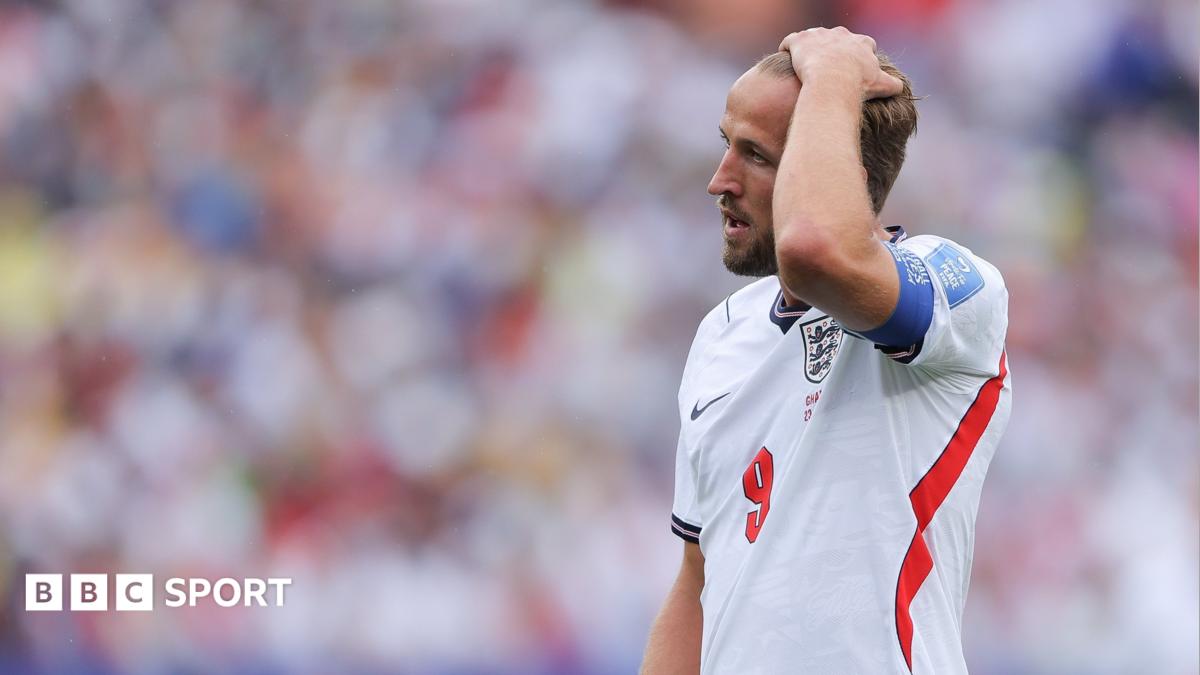
England’s latest World Cup outing against Ghana was not the kind of performance that changes a tournament on its own, but it did serve a clear purpose: it reminded everyone that early momentum can disappear quickly. After the energy and optimism generated by the opening win over Croatia, the flat follow-up was a sobering contrast and a useful test of perspective for supporters and analysts alike.
Thomas Tuchel’s comment that the Croatia victory would have excited “fans in pubs” captures the emotional swing that often follows a big tournament result. One strong display can create the sense that a team has found its rhythm, but the Ghana match showed how fragile that feeling can be when the basics are not repeated with the same intensity. For England, the issue is not panic. It is whether the side can turn flashes of quality into a reliable standard.
Why the Ghana result matters
From a footballing point of view, this was less about one bad night and more about the warning signs it exposed. Tournament football is usually decided by control, concentration and the ability to manage different game states. When a team looks sharp in one match and disconnected in the next, it raises questions about consistency, structure and whether the tactical plan is being executed with enough conviction.
That is especially relevant for a side like England, where expectations are always high and every result is judged through the lens of progression. Supporters do not need to overreact to a single setback, but they do need to see evidence that the team can respond quickly. The best tournament sides do not just win when everything clicks; they recover when the match becomes awkward, physical or emotionally flat.
What supporters should take from it
The encouraging reading is that this does not look like a collapse. The source itself frames the result as a reality check, and that is the right level of alarm. England still have the quality to compete, but the Ghana performance suggests there is work to do in sustaining tempo and avoiding the drop-off that can make a promising campaign feel unstable.
For Tuchel, the challenge is as much psychological as tactical. He will want his players to treat the Croatia win and the Ghana setback as part of the same lesson: good teams build habits, not just highlights. For supporters, that means patience is still justified, but so is scrutiny. England have shown they can produce a performance that lifts the mood; now they must prove they can do it again when the next test arrives.
Source note: This article was prepared using publicly available information from BBC Sport and expanded with editorial context.
Share this content: