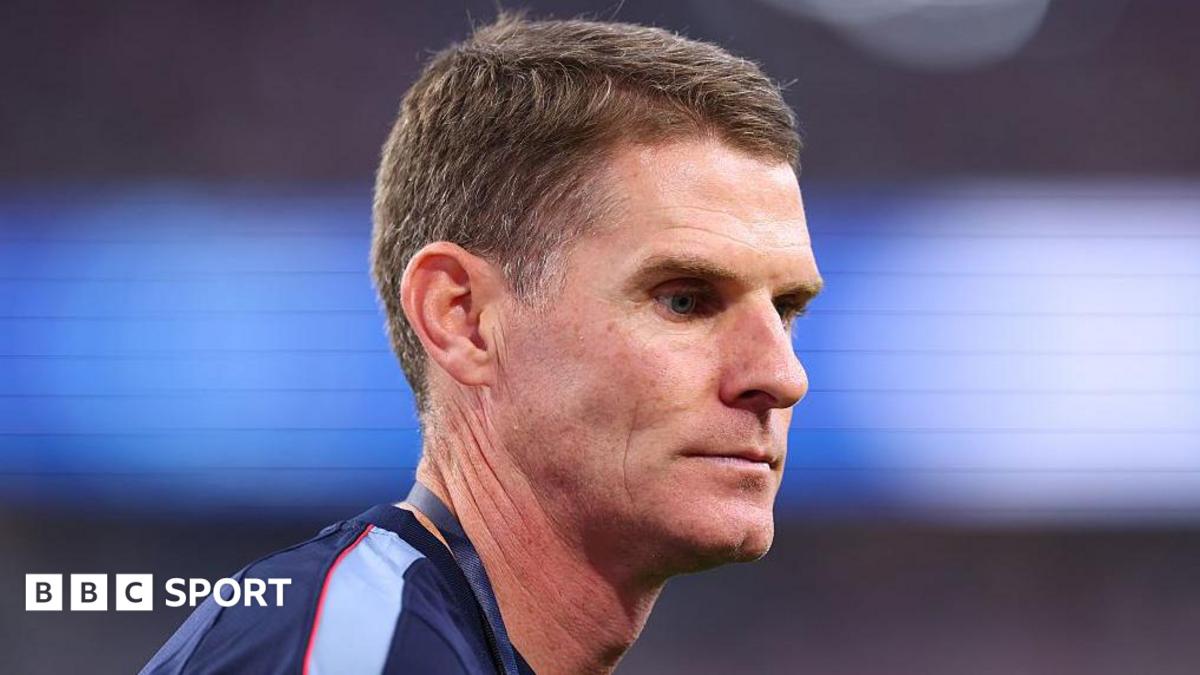
England assistant coach Anthony Barry is expected to remain one of the tournament’s more visible behind-the-scenes figures, with BBC Sport reporting that he will continue to conduct televised half-time interviews during the World Cup. The decision is notable not because it is unusual in itself, but because it comes after Barry delivered a frank assessment of England’s first-half performance against Croatia.
For supporters, the detail matters because it offers a rare glimpse into how England’s coaching staff communicate under pressure. Half-time interviews are often carefully managed, especially at major tournaments where every public word is scrutinised. Barry’s willingness to speak openly suggests a staff comfortable with transparency, even when the message is uncomfortable.
Why Barry’s role stands out
Assistant coaches are usually judged by the work done away from the cameras: preparation, tactical detail, opposition analysis and in-game adjustments. Barry’s public-facing role adds another layer. It places him in the unusual position of helping explain England’s approach while also helping shape it from the touchline. That can be valuable in a tournament setting, where clarity and calm are essential, but it also increases the spotlight on every tactical call.
The Croatia reference is important because it frames the story in performance terms rather than media theatre. A critical half-time assessment implies England were not satisfied with the opening period, and that the coaching staff were willing to acknowledge it immediately. In tournament football, that kind of honesty can be a sign of confidence, but it can also underline the pressure on a team expected to compete deep into the competition.
What it means for England
England’s supporters will likely read this as a small but revealing indicator of the culture around the squad. Teams that communicate clearly and react quickly to problems often give themselves a better chance of correcting issues before they become decisive. Barry continuing the interviews also suggests the staff do not see the media obligation as a distraction from the football itself.
From a tactical perspective, the story hints at a coaching group that is engaged in real-time problem solving. If the first half against Croatia required a critical reset, then Barry’s comments may have reflected a broader message delivered inside the dressing room: England needed to improve their tempo, organisation or execution after the break. The source does not specify the exact tactical issues, so any deeper reading must remain cautious.
What is clear is that Barry’s continued involvement in these interviews keeps England’s internal processes in public view. For fans, that can be both reassuring and revealing. It shows a staff willing to front up, but it also raises expectations that the team will back up that openness with stronger performances on the pitch.
Source note: This article was prepared using publicly available information from BBC Sport and expanded with editorial context.
Share this content: