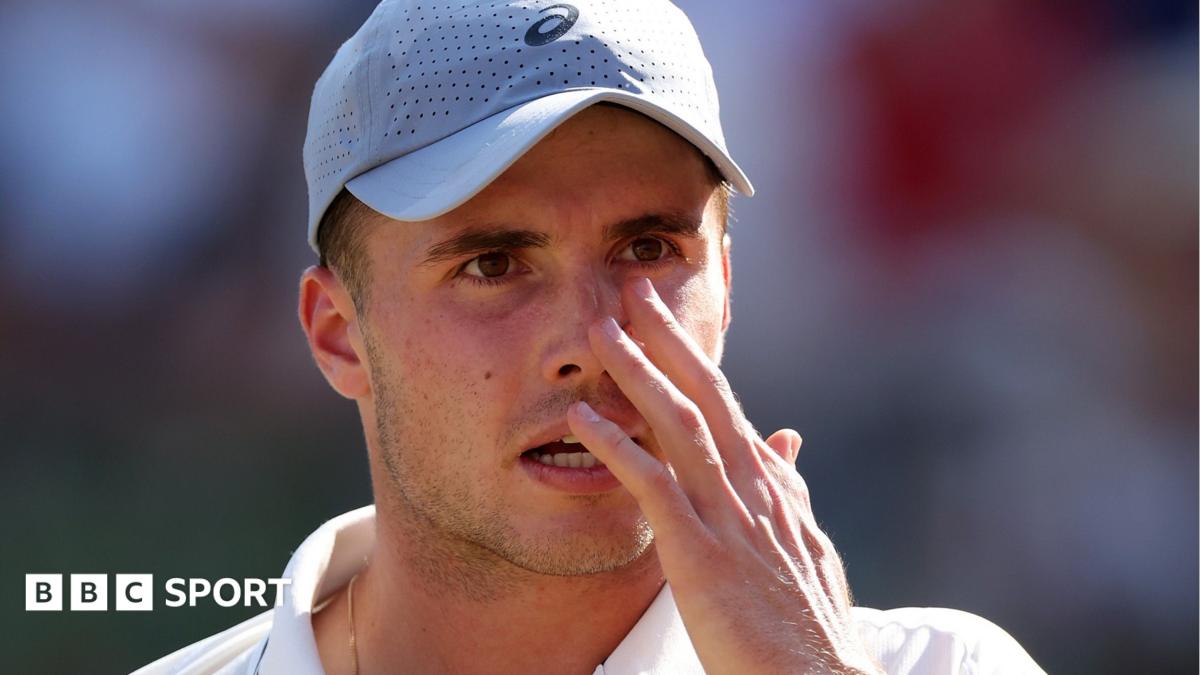
Arthur Fery’s run at Queen’s came to an end in the quarter-finals, but the British player left the tournament with his reputation enhanced after pushing world number 27 Francisco Cerundolo through three tight sets. For a home crowd that had already seen Fery produce one of the more eye-catching stories of the event, the defeat was still a reminder of how quickly momentum can shift at this level.
The result matters because Queen’s is one of the most important grass-court warm-up events before Wimbledon, and performances here often shape expectations for the weeks ahead. Fery’s ability to compete deep into the draw suggests he is capable of handling the pace, low bounce and pressure that define the surface. Even in defeat, that is the kind of evidence British tennis supporters look for when assessing whether a player can make the next step on grass.
Fery’s run offers encouragement despite the loss
Quarter-final defeats can feel harsh when a match is decided by fine margins, and that is especially true when the opponent is a top-30 player with proven quality. Cerundolo’s ranking underlines the size of the task, but Fery’s showing suggests the gap was not as wide as the paper form might have implied. In practical terms, that is valuable for a player trying to build belief against established opposition.
For British tennis, these moments matter beyond the immediate scoreline. A strong Queen’s campaign can accelerate a player’s profile, improve confidence and create a platform for the rest of the grass season. Fery’s progress will now be judged not only by this result, but by whether he can carry the same level into future matches against higher-ranked opponents.
What the result means for Queen’s and the grass-court picture
Cerundolo’s victory keeps his own Queen’s campaign moving forward, while Fery exits with the sort of narrow loss that can still be viewed as a positive step in development. On grass, where matches are often decided by a handful of points, the difference between a breakthrough and a setback can be minimal. That makes Fery’s performance especially relevant: he has shown he can compete, and that is often the first requirement before results begin to follow.
For supporters, the takeaway is straightforward. Fery did not advance, but he did enough to suggest he belongs in this level of conversation. In a tournament that regularly serves as a barometer for Wimbledon readiness, that is no small thing.
Source note: This article was prepared using publicly available information from BBC Sport and expanded with editorial context.
Share this content: