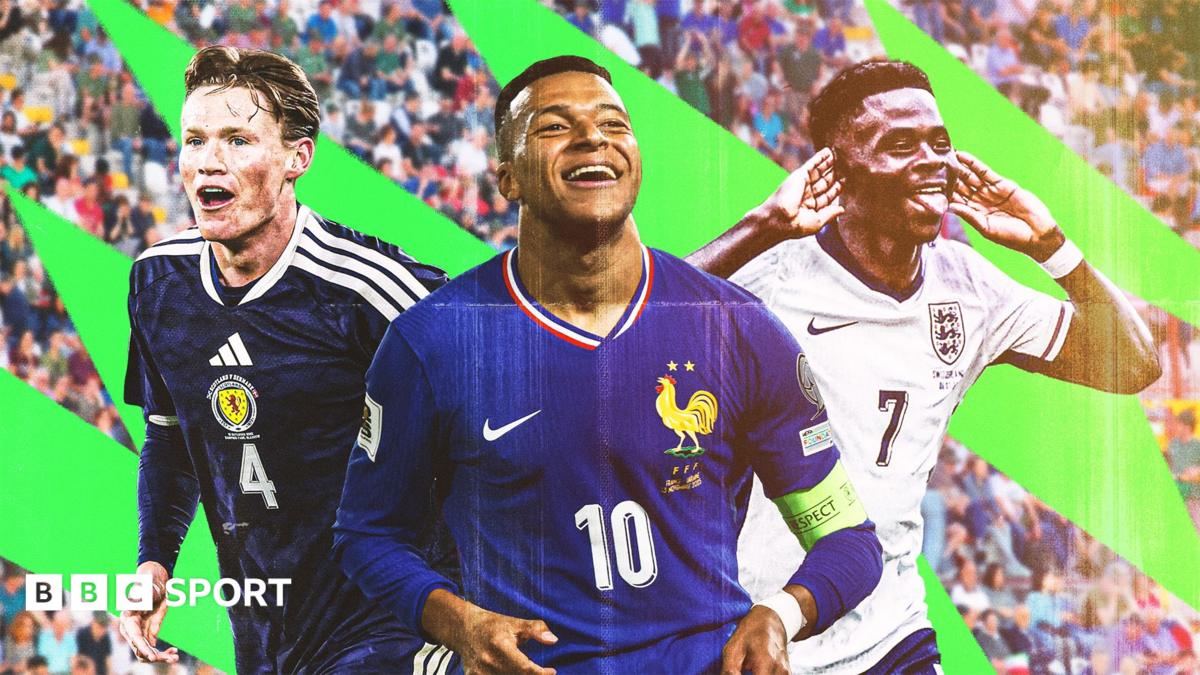
The 2026 World Cup has arrived, and BBC Sport is positioning itself as a central source for supporters following the tournament across the United States, Canada and Mexico. The broadcaster’s update is not a match report or a transfer story, but it still matters to football audiences because it signals the start of a month in which coverage, access and real-time information become almost as important as the action itself.
For fans, the practical value is obvious. A World Cup spread across three countries creates a different viewing experience from the single-host model many supporters are used to. Time zones, travel distances and the sheer scale of the event all make live updates, fixture tracking and tournament tools more useful than ever. BBC Sport’s emphasis on keeping viewers informed reflects that reality and underlines how modern major tournaments are followed as much through digital platforms as through television broadcasts.
What BBC Sport is offering supporters
According to the source, BBC Sport will provide live lock screen updates through its app and a downloadable World Cup 2026 wallchart. Those features may sound simple, but they are part of a broader shift in football media: supporters now expect instant access to schedules, results and tournament progress without having to search across multiple platforms. For a competition as large as the World Cup, that convenience can shape how fans experience the event day by day.
The wallchart also has a familiar appeal. It gives supporters a way to map out the knockout path, track potential quarter-final and semi-final match-ups, and follow the tournament narrative in a more visual format. That matters because the World Cup is not only about individual matches; it is about momentum, bracket pressure and the possibility of surprise runs from teams that begin the competition outside the favourites.
Why the tournament format matters
Hosting the World Cup in the United States, Canada and Mexico adds logistical complexity and broadens the audience footprint. For broadcasters, that means coverage must be immediate, flexible and easy to navigate. For supporters, it means the tournament is likely to be consumed in shorter bursts throughout the day, with mobile alerts and live updates helping bridge the gap between matches.
There is also a wider football implication. The World Cup remains the sport’s biggest global stage, and the way it is covered shapes how stories are framed from the opening game onward. BBC Sport’s update suggests a focus on accessibility and constant engagement, which is exactly what supporters want when the stakes are highest and the schedule is relentless.
In that sense, the news is less about a single team or player and more about the infrastructure around the tournament. For fans, it is a reminder that the World Cup experience now extends beyond the pitch. The best coverage helps supporters stay connected to the competition wherever they are, and BBC Sport is clearly aiming to be part of that daily routine as the 2026 edition gets going.
Source note: This article was prepared using publicly available information from BBC Sport and expanded with editorial context.
Share this content: