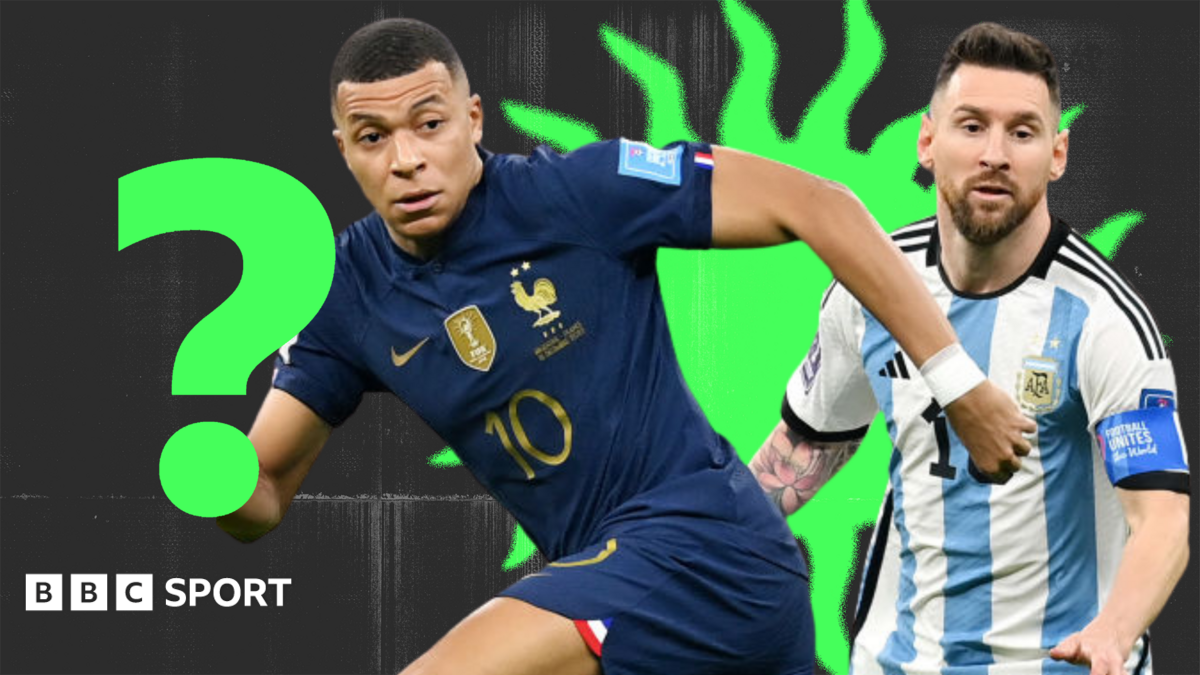
BBC Sport has added a light World Cup-themed quiz to its football coverage, asking readers to identify the best-performing team for every letter of the alphabet. It is a simple premise, but one that taps into the kind of football memory test that tends to travel well with supporters: part trivia, part nostalgia, and part reminder of how broad the tournament’s history really is.
Unlike a transfer update or a match report, this is a feature built for engagement rather than breaking news. Still, it sits neatly within the wider football conversation because the World Cup remains the sport’s most recognisable global stage. Any quiz that asks fans to sort teams by letter is really testing how closely they have followed the tournament across eras, continents and styles of play.
Why this kind of quiz works for football audiences
World Cup quizzes often perform well because they reward both casual fans and those with deeper historical knowledge. Supporters who remember recent tournaments may approach the challenge differently from those who can recall older editions, famous upsets or long-running national team traditions. That mix is part of the appeal: the format is accessible, but it still asks readers to think.
For BBC Sport, the feature also fits a broader editorial pattern. During quieter news cycles, quiz content helps keep football audiences engaged without pretending to be hard news. It offers a break from the usual transfer speculation and results-driven coverage while still staying close to the game’s biggest competition.
What it means for supporters
For fans, the value is less about the answer sheet and more about the conversation it creates. These quizzes often spark debate over which teams should count as the strongest for a given letter, especially when different generations of supporters bring different reference points. That makes the format useful for social sharing and for keeping the World Cup in view even outside tournament windows.
The BBC’s prompt to visit its Sports Quizzes page suggests this is part of a wider stream of interactive football content. In practical terms, that means supporters looking for something lighter than analysis or live coverage have another way to stay connected to the game. It is not a major football development, but it is a reminder that the sport’s storytelling does not always need a scoreline to be relevant.
For readers of Goal Sports News, the key takeaway is straightforward: this is a fan-facing World Cup feature, not a transfer rumour or tactical deep dive. Its significance lies in how it keeps football audiences engaged through memory, debate and competition of a different kind.
Source note: This article was prepared using publicly available information from BBC Sport and expanded with editorial context.
Share this content: